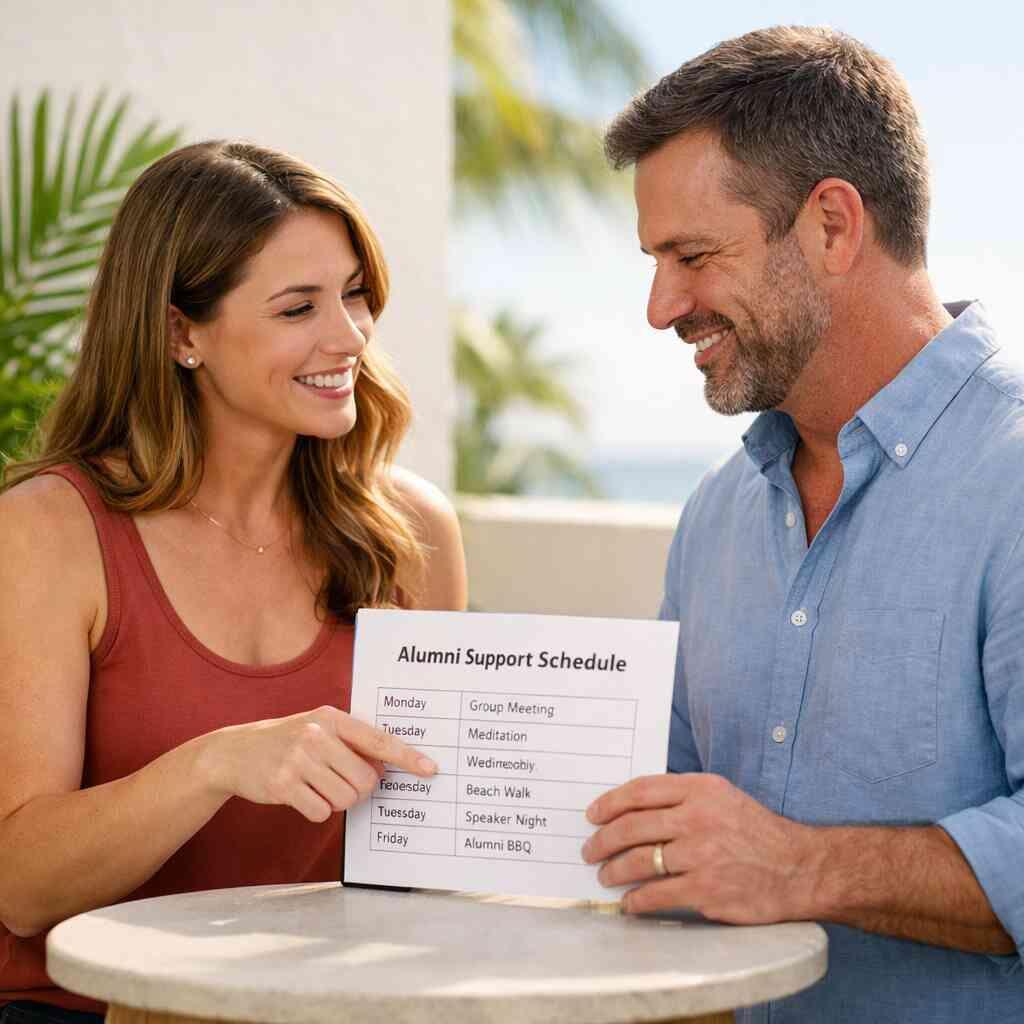
Ultimate Guide to RECO Immersive Alumni Support in 2026
You may be carrying a quiet fear right now: what happens after discharge? That fear is common, and it makes sense. Treatment can bring relief, but life does not pause for healing. Bills still arrive. Relationships still ask for answers. Triggers still show up. For many people, the hardest part starts after the structure of […]
You may be carrying a quiet fear right now: what happens after discharge? That fear is common, and it makes sense. Treatment can bring relief, but life does not pause for healing. Bills still arrive. Relationships still ask for answers. Triggers still show up. For many people, the hardest part starts after the structure of a Delray Beach rehab fades and real life pushes back.
When alumni support matters more than white-knuckle willpower
The moment treatment ends and real life starts pressing back
The last day in a residential treatment facility can feel strangely thin. You may feel proud, relieved, and afraid all in the same hour. That mix is normal. What happens next matters because early recovery is fragile, especially after Florida addiction treatment for alcohol, opioids, cocaine, or prescription pill addiction. One client in Delray Beach once described discharge as “stepping from a quiet room into a crowded street.” That image lands because it is true.
This is where alumni support earns its value. It gives you contact, structure, and a place to check in before stress becomes relapse. For people leaving South Florida detox or a higher level of care, that bridge can be the difference between drifting and staying connected. If you are worried that support will feel generic or forced, that concern is fair. Good alumni care should feel practical, not performative.
Why RECO Intensive alumni support is built for relapse prevention, not just encouragement
Relapse prevention is not a slogan. It is a set of habits, people, and responses that help you interrupt risk early. RECO Intensive alumni support is designed for that work. It can help you stay connected to aftercare planning goals, identify warning signs, and keep using coping skills when motivation dips. That matters whether you came through an inpatient rehab Palm Beach County setting or stepped down from a partial hospitalization program.
Here is the part most people miss: motivation changes by the day. Systems matter more than feelings. Alumni support gives you a steady touchpoint for accountability, peer support, and practical problem-solving. It can also connect you back to the larger continuum, including intensive outpatient care when life gets loud again. That is how long-term recovery support works in real life.
What people in Delray Beach often need most after discharge is structure, not inspiration
In Delray Beach, the recovery community is active, but it can still feel overwhelming after discharge. There are meetings, beach walks, sober events, work demands, and family pressure all at once. The question is not only “How do I stay sober?” It is also “How do I fill a Tuesday night without falling apart?” Structure answers that better than inspiration does.
People often need a plan for morning, afternoon, and evening. They need transportation help, meal routines, sleep routines, and a way to get through stress without improvising. That is especially true if you are rebuilding after opioid rehab Delray, fentanyl treatment, heroin recovery, or benzodiazepine withdrawal. In our experience, the biggest mistake is assuming confidence will carry you. It will not. Repetition will.
The support system that keeps recovery moving after discharge
How aftercare planning connects PHP, IOP, and outpatient program Delray Beach options
Good recovery does not jump from one level of care to another without a map. It moves through a sequence. That sequence often links partial hospitalization program services, mental health IOP, and an outpatient program Delray Beach patients can maintain while rebuilding daily life. Each level has a different purpose. PHP offers more daily structure. IOP adds flexibility. Outpatient care supports maintenance.
A strong plan also addresses the gap after residential care ends. That gap is where many people wobble. The transition should include appointments, medication follow-up, meeting schedules, and crisis contacts. If you are comparing what is PHP vs IOP, think intensity and time, not better or worse. The right fit depends on symptoms, home stability, and risk.
The role of case management, life skills training, and vocational support in long-term recovery
Recovery becomes more stable when life starts working again. That is why life skills training and case management for post-rehab success matter so much. Case management can help with appointments, records, transportation, and referrals. Life skills work can cover budgeting, sleep, nutrition, and conflict management. Vocational support matters too, especially if you need help returning to school or work after a break.
A young professional we met in Palm Beach County had excellent insight but no routine. He could name every trigger. He still kept missing meals and sleep. Once his week included job-search blocks, meal timing, and short check-ins, his cravings eased. That is not magic. It is structure meeting reality.
Why sober living resources, 12-step alternatives, and SMART Recovery can work side by side
Some people do well with meeting-based support. Others want more choice. Many need both. sober living resources after outpatient care in Delray Beach can provide a bridge between treatment and independent living. At the same time, SMART Recovery and 12-step alternatives in Florida can sit alongside traditional recovery meetings. The point is not loyalty to one model. The point is consistent support.
Here is a quick comparison that helps many families:
Support optionMain purposeBest forSober livingStable housing and routinePeople needing accountability12-step meetingsPeer fellowship and servicePeople who like structured communitySMART RecoverySkills-based changePeople who prefer self-management toolsThe best plan often combines all three. That can be especially helpful in a coastal city where social life, work, and triggers overlap quickly.
How family therapy and family weekend keep co-occurring disorders from going unseen
Family systems shape recovery more than many people expect. When communication is tense, shame can hide symptoms. family therapy and family weekend support in Palm Beach County can help relatives understand relapse risk, boundaries, and support roles. That matters in dual diagnosis treatment because co-occurring disorders often involve both substance use and depression, anxiety, trauma, or mood instability.
If someone in the family keeps saying, “They seem fine now,” that can miss the point. Fine on the surface is not always stable underneath. Family education helps people notice sleep changes, isolation, irritability, and missed meds sooner. It also reduces the urge to rescue, argue, or minimize. Those patterns can feed the cycle.
Why mental health IOP and dual diagnosis treatment still matter after residential treatment facility care
Leaving a residential treatment facility does not mean mental health symptoms vanish. For many people, they become clearer once substance use slows down. That is why dual diagnosis treatment for co-occurring disorders in Delray Beach remains important after discharge. The co-occurring disorder model, used widely in behavioral health and supported by NIDA, treats addiction and mental health together. It is a practical model, not a label.
Symptoms like panic, low mood, racing thoughts, and trauma flashbacks can still disrupt recovery. mental health IOP for anxiety and depression in South Florida helps people keep working on both sides of the problem. That can matter for PTSD treatment, depression and addiction, anxiety treatment, and bipolar disorder therapy. The work is slower than people want. It is also more durable.
What to do next when you want more than a graduation story
How to use the RECO Intensive alumni network for coping skills, community reintegration, and sober social events
The alumni network is not just a list of names. It is a living support layer. RECO Intensive alumni can use it for peer contact, coping practice, and a gentle re-entry into ordinary life. That may include sober social events, resource sharing, and reminders about routine. If you are trying to rebuild a life in the Delray Beach recovery community, this kind of contact can keep you anchored.
The strongest alumni plans include small, repeated actions. Attend one meeting. Text one support person. Eat before the afternoon slump. Leave the house before cravings peak. Those details matter more than grand promises. They are how recovery becomes livable. They are also how people use aftercare support without feeling overwhelmed.
Where evidence-based treatment tools like CBT, DBT, EMDR trauma therapy, and mindfulness meditation fit into alumni care
Alumni support works best when it keeps evidence-based tools in view. cognitive behavioral therapy and dialectical behavior therapy for recovery help people spot thought patterns, handle distress, and respond rather than react. CBT looks at the thoughts driving behavior. DBT teaches emotion regulation and distress tolerance. EMDR trauma therapy for PTSD recovery in South Florida can help process trauma that keeps showing up in relapse risk. 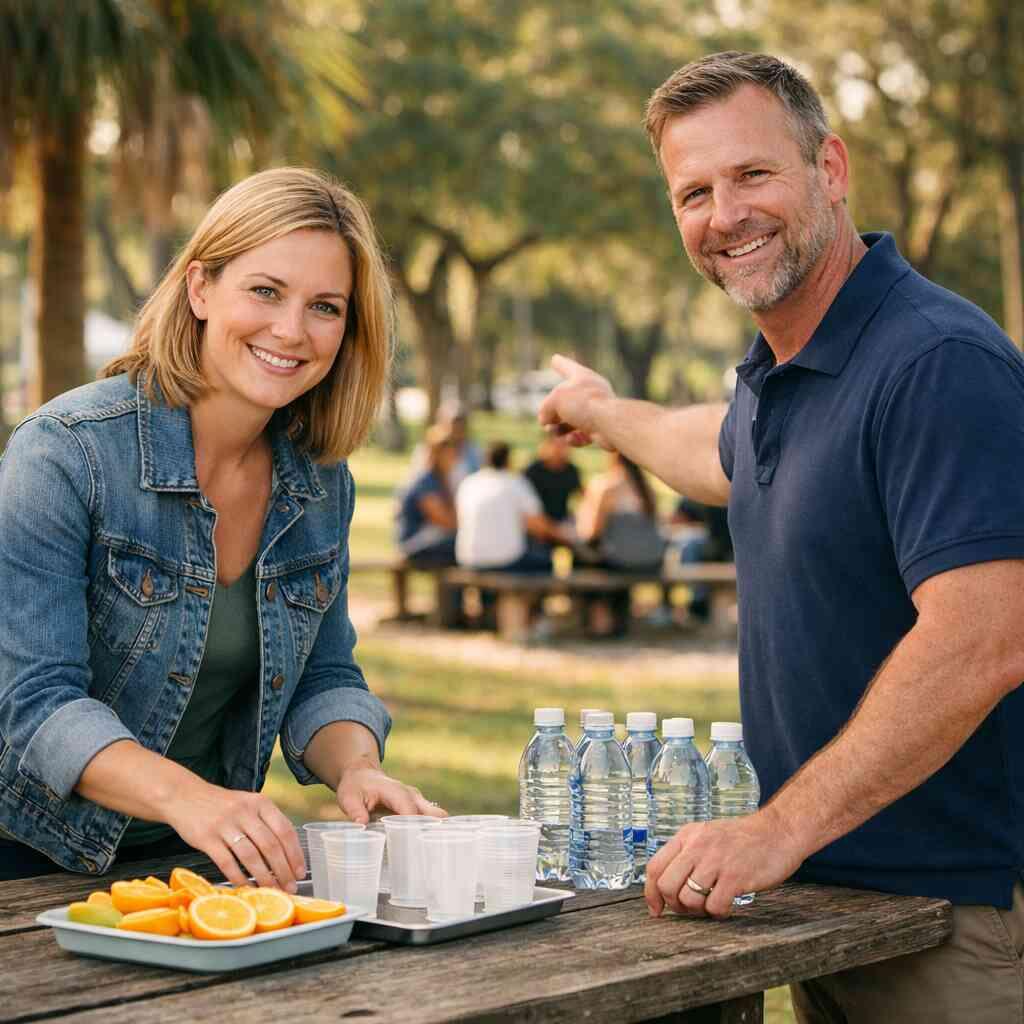
Mind-body tools matter too. mindfulness meditation and holistic recovery support can improve awareness of stress before it tips into action. Yoga therapy and art therapy can also support regulation, especially for people who struggle to talk through feelings. In the programs we see in recovery, skills stick best when they are used in daily life, not just discussed in session. That is what makes alumni care useful. It keeps the tools active. ### How insurance verification, out-of-network benefits, and self-pay options shape the next level of support
Money stress can derail recovery fast. It is a common barrier, and it deserves direct attention. insurance verification for Florida addiction treatment helps you see what is covered before you make decisions. Plans may involve Aetna, Cigna, Blue Cross Blue Shield, out-of-network benefits, or self-pay options. The details vary, and that is exactly why verification matters.
If you are comparing Florida rehabs that take insurance, ask clear questions. What does the plan cover? What is the deductible? Are there authorization requirements? Is there help with billing questions? That kind of clarity reduces panic. It also helps you choose between private rehab options without guessing. You can also review best ways to use insurance for RECO Immersive in 2026 and best 5 insurance questions for Florida addiction treatment before you call.
What a strong alumni plan looks like for young adult rehab, professionals, veterans, and LGBTQ plus affirmative treatment
A strong plan is never one-size-fits-all. Young adult rehab needs may include school, family dependence, and identity work. Professional’s program needs may involve confidentiality, schedule pressure, and return-to-work planning. Veterans addiction help may include trauma, reintegration stress, and military culture. LGBTQ plus affirmative treatment should include safety, respect, and language that fits your identity. Gender-specific treatment, women’s rehab, and men’s recovery can also lower distraction and improve honesty.
That is why the Delray Beach and South Florida recovery community and sober social events matter beyond fun. They help people practice community reintegration in a real setting. The same is true for beachside recovery routines, walking by Atlantic Avenue, or quiet time near local nature preserves. Those rhythms help make recovery real. They turn treatment skills into daily habits.
How to decide whether you need alumni support alone or a return to a higher level of care
This question is hard, and many people avoid it too long. The answer depends on safety, not pride. If cravings are rising, sleep is breaking down, or depression is deepening, alumni support alone may not be enough. If you are missing meds, isolating, or using again, you may need a higher level of care. That could mean detox, PHP, IOP, or a return to residential support.
Use symptoms as signals. Also use honesty. A brief setback does not mean failure. It may mean the plan needs adjusting. That is exactly why continuing care exists. If you are unsure, talk with the team and ask for a level-of-care review. One direct conversation can save months of drift.
Frequently Asked Questions
How long does detox last at a Delray Beach rehab?
Detox length depends on the substance, the amount used, and your health history. Alcohol and benzodiazepine withdrawal can require closer monitoring than other substances. Opioid withdrawal may peak and ease sooner, but cravings can last longer. A medically supervised setting is safer for cocaine detox Florida, opioid rehab Delray, fentanyl treatment, heroin recovery, and prescription pill addiction. Ask the admissions team to explain the expected timeline before you start.
Does RECO Intensive take my insurance?
Coverage depends on your plan and benefits. The best next move is insurance verification for Florida addiction treatment. That process can help you review in-network and out-of-network benefits, deductibles, and any authorization needs. Many people also ask about Aetna, Cigna, Blue Cross Blue Shield, and self-pay options. Verification is the cleanest way to avoid surprises.
What is the difference between PHP and IOP?
PHP, or partial hospitalization program, offers more hours and more support than IOP. IOP, or intensive outpatient, gives you structured care while leaving more time for work, school, or family. Both can be useful after residential treatment facility care. The right fit depends on symptoms, stability, and relapse risk. A clinical team can help match the level to your needs.
Can family be involved in treatment and alumni support?
Yes, and family involvement often helps. family therapy and family weekend support in Palm Beach County can improve communication, set boundaries, and help relatives understand co-occurring disorders. Family members also learn how to support recovery without rescuing or shaming. That support can continue after discharge through education, updates, and guided contact.
What if I need help for depression but not addiction?
That is still worth treating. mental health IOP for anxiety and depression in South Florida can support people who are not dealing with substance use. Depression, anxiety, PTSD, bipolar disorder, and trauma can all disrupt daily life and relationships. You do not need to “wait until it gets worse” to seek care. Early support can make recovery easier to sustain.
What if I am not sure I need alumni support or a higher level of care?
Start with an honest symptom check. If you are sleeping badly, using again, missing work, or feeling unsafe, you may need more than alumni support. If you are stable but isolated, alumni contact may be enough for now. The safest move is to speak with a clinician who can review your symptoms and recommend the right level. If you need help sorting it out, reach out today, ask for a care review, and make one concrete call before the week ends.
“RECO Immersive Mental Health Rehab isn’t just a treatment center; it’s a sanctuary. The serene environment, nestled in nature, provides a calming backdrop for healing. What truly stands out is the dedication of the staff.. from therapists to support personnel especially Courtney and Jayden, everyone is genuinely committed to each client’s well-being, creating a supportive and nurturing atmosphere that makes recovery feel attainable and hopeful. Truly blessed to have found this program…”– Bryanna Y., a 5 star review from RECO Immersive on Google Business Reviews