When Is a Residential Treatment Facility the Right Fit
If you are searching at night, worried about detox, and wondering whether this is serious enough for residential care, that fear makes sense. Most families reach this point after weeks of strain, mixed signals, and one too many false starts. A residential treatment facility can be the right fit when daily structure, medical oversight, and […]

If you are searching at night, worried about detox, and wondering whether this is serious enough for residential care, that fear makes sense. Most families reach this point after weeks of strain, mixed signals, and one too many false starts. A residential treatment facility can be the right fit when daily structure, medical oversight, and distance from triggers matter more than willpower. In Delray Beach rehab settings, that usually means a safer pause before you decide what comes next.
The hard part is not just choosing treatment. It is figuring out the right level of care without guessing. Some people need South Florida detox before anything else. Others need inpatient rehab Palm Beach County support because cravings, withdrawal, trauma, or mental health symptoms keep pulling them back. The best plan often changes over time, and that is normal.
The decision that keeps recovery moving after residential care ends
A residential stay is not the finish line. It is the point where your next phase has to make sense in real life. In the programs we have seen across Florida addiction treatment settings, the best outcomes usually come from a clean handoff into the next level of support. That handoff may include a partial hospitalization program, intensive outpatient, or mental health IOP, depending on how stable you feel and what risks are still active. At RECO Immersive, that transition matters because early recovery in Delray Beach asks a lot from you: work stress, family stress, and the pull of old routines can all show up at once.
One client came in after repeated relapses tied to late-night drinking and panic attacks. Residential care helped him sleep, eat, and think clearly again. But the real test came after discharge, when his schedule needed structure by the hour. That is where step-down care, case management, and relapse prevention made the difference. He needed support that fit the day he was actually living, not the day he wished he had.
“An ethical treatment facility run by good people. It was refreshing to feel cared for & prioritized after a very negative residential experience elsewhere. Shoutout to Brock & Kat for their kindness during my time there and after!”– Daniel S., a 5 star review from RECO Immersive on Google Business Reviews
When PHP, intensive outpatient, or mental health IOP becomes the right bridge after residential treatment
What is PHP vs IOP? The simple version is this: PHP gives you more hours of treatment and support, while IOP gives you more room to work, study, or care for family. A partial hospitalization program often works well when you still need close clinical monitoring but no longer need overnight care. Intensive outpatient fits people who can stay grounded at home or in sober housing and still show up for therapy several days a week. For some, a mental health IOP is the better bridge when depression, anxiety, bipolar disorder therapy needs, or PTSD treatment remain the main issue.
That bridge matters in dual diagnosis treatment. When substance use and mental health symptoms feed each other, you need both addressed together. NIDA has long emphasized the co-occurring disorders model because treating only one side often leaves the other untouched. A person may finish alcoholism treatment center care and still feel driven by trauma, grief, insomnia, or shame. In that case, a step-down plan built around evidence-based treatment can help you keep momentum without overwhelming you.
Here is a quick comparison that many families find useful:
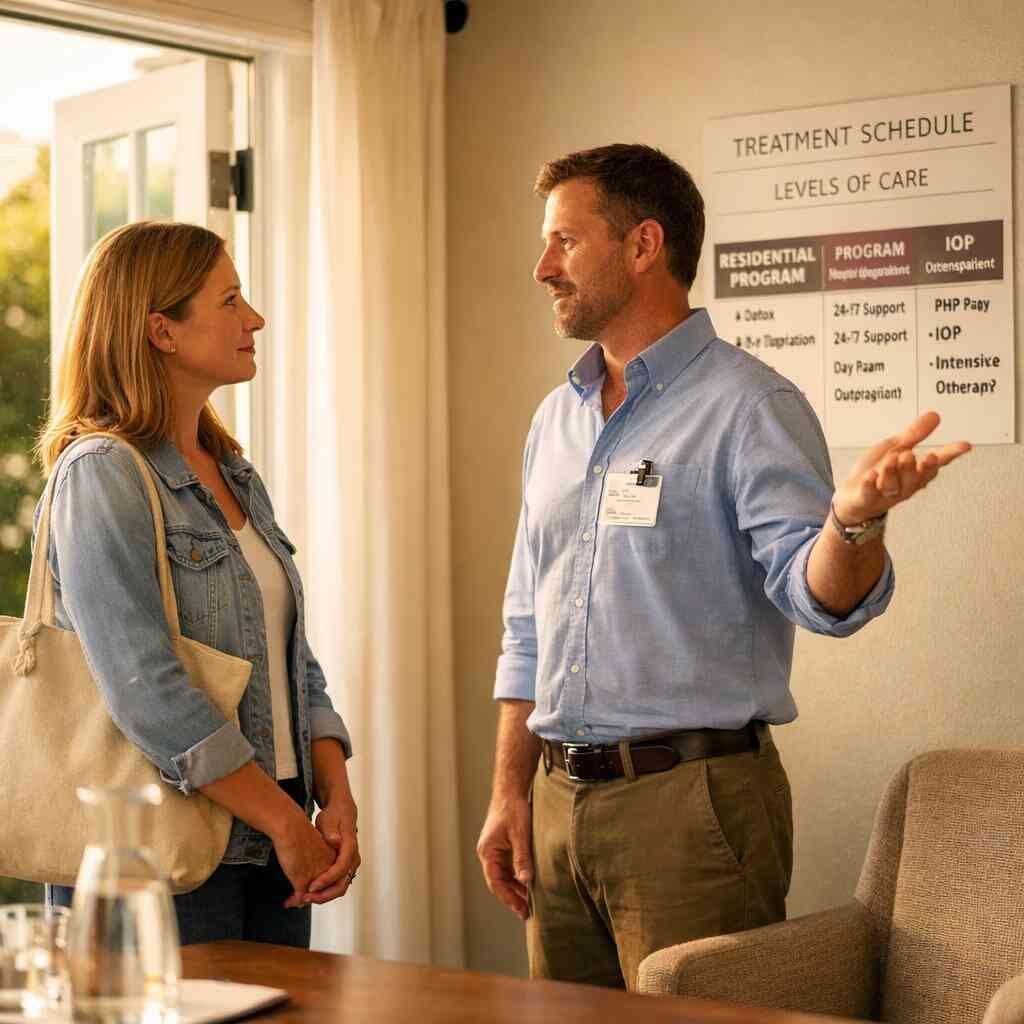
Level of careBest forMain advantageResidential treatment facilityHigh risk, unstable home setting, withdrawal concerns24-hour structure and supervisionPHPNeed intensive support, but not overnight careStrong daily clinical contactIOP or mental health IOPMore stability, need ongoing therapy and accountabilityFlexibility with work or familyOutpatient program Delray BeachLower acuity, maintenance supportFewer hours, more independenceWhat we have seen in 2026 specifically is that people often try to move too fast. They leave structure before they can manage sleep, triggers, and conflict. That is where a slower step-down can help. A good program will not rush you. It will match care to what your nervous system can actually handle.
How aftercare planning, sober living resources, alumni support, and relapse prevention shape life after treatment in Delray Beach
Aftercare planning is not paperwork. It is the bridge between treatment and daily life. Strong plans usually include therapy appointments, medication follow-up, recovery meetings, and a clear response if cravings spike. They also include sober living resources when home is not stable enough. In a place like Delray Beach, that can matter a lot, because a beachside recovery environment sounds calm, but social triggers can still hide inside familiar routines.
A solid aftercare plan should cover more than substance use. It should address sleep, nutrition, transportation, job pressure, and family conflict. For some people, that means family therapy or a family weekend. For others, it means pairing cognitive behavioral therapy with dialectical behavior therapy skills, so thoughts and actions stop feeding each other. If trauma is part of the story, EMDR trauma therapy may also fit, especially when flashbacks or body memories trigger cravings.
Helpful pieces often include:
- Clear relapse warning signs
- Crisis contacts and support numbers
- Therapy frequency and medication visits
- Sober housing options
- Recovery meetings or peer support
- A plan for weekends, evenings, and holidays
- Vocational support or school planning
- Life skills training and nutritional counseling
RECO Immersive’s aftercare approach aligns with continuing care best practices because support does not stop when the program ends. The goal is not perfection. The goal is enough structure to keep you safe while your habits get stronger. For more on that transition, many people review aftercare planning for long term recovery in Delray Beach, because the details matter. A day that feels ordinary to others can feel loaded in early recovery, especially near Atlantic Avenue, where old cues can appear in familiar places.
One young adult we supported had done well in residential care, then struggled the minute he returned home. His room looked the same. His friends sounded the same. His routine pulled him backward. Sober living, alumni check-ins, and a tighter evening plan helped him hold the gains he had already made. That is relapse prevention in real life. It is often less dramatic than people expect, and much more practical.
What to ask about insurance verification, out-of-network benefits, private rehab options, and how to choose a rehab that fits your needs
Insurance is often the barrier that feels biggest on the phone and smaller once someone explains it clearly. Start with insurance verification before you commit, because coverage can change your options fast. Ask whether the program accepts Aetna, Cigna, or Blue Cross Blue Shield, and ask how out-of-network benefits are handled. If coverage is limited, self-pay options may still be possible, but you deserve exact numbers before you decide. For people comparing local programs, insurance verification for Florida addiction treatment can make the process less confusing.
If you are asking how to choose a rehab, focus on fit, not hype. Look for licensed clinicians, a clear intake process, and services that match your needs, such as dual diagnosis, trauma work, or medication support. Ask whether the setting is a private rehab and whether it offers a coastal healing environment without losing clinical depth. If you are comparing Florida rehabs that take insurance, make sure they also explain what your plan does and does not cover. A beautiful space means little if the care plan does not match your diagnosis.
A few questions are worth asking every admissions team:
- What level of care do you recommend, and why?
- Do you offer detox, or should I start elsewhere?
- How long is detox for my substance and symptoms?
- What therapies are used each week?
- How do you handle co-occurring disorders?
- What happens after discharge?
- Can you explain the total cost in plain language?
If you are checking a Delray Beach rehab against a residential treatment facility in another part of the state, ask about location, daily structure, and how they handle follow-up. RECO Immersive’s admissions process and intake checklist for rehab can help you see what good preparation looks like. The right program should feel organized, respectful, and clear. It should not leave you guessing.
Understanding the signs you need residential rehab versus a lower level of care
This part is genuinely confusing for most people. The same person can look “fine” on the outside and still need residential care. Signs of addiction can include hiding use, failed attempts to cut back, blackouts, missed work, or using just to feel normal. The need for residential treatment facility care grows when those signs combine with danger, instability, or repeated relapse. If you are searching for drug rehab near me or opioid rehab Delray because the problem has become hard to contain, trust that instinct and get an assessment. Withdrawal risk matters too. Cocaine detox Florida cases may involve severe crash symptoms, depression, or agitation. Opioid rehab Delray patients may need help with fentanyl treatment, heroin recovery, or prescription pill addiction. Benzodiazepine withdrawal can be dangerous and should never be handled casually. In those cases, residential or medically supervised care may be the safest starting point, especially when withdrawal and mental health symptoms overlap. The same applies when the main issue is not just use, but function. If you cannot keep meals down, cannot sleep, cannot stop using after a plan has failed, or keep ending up in crisis, a higher level of care may be right. Alcoholism treatment center support is often needed when drinking has become daily, hidden, or tied to morning shakes and panic. And if depression and addiction are feeding each other, dual diagnosis care becomes more than a nice extra. It becomes the core of the plan. 
Why local context matters in Delray Beach and South Florida
Delray Beach has a real recovery community, and that matters more than many families expect. The area offers access to South Florida recovery, meetings, therapy, and sober housing that can make aftercare workable. At the same time, local life can move fast. Traffic toward Boca Raton outpatient visits, the bustle near Atlantic Avenue, and the pull of weekend plans can all test early recovery. That is why location, not just program type, deserves attention.
For some people, the local fit is also cultural. You may want young adult rehab, a professional’s program, LGBTQ+ affirmative treatment, veterans addiction help, or gender-specific treatment such as women’s rehab or men’s recovery. Those details shape comfort, honesty, and retention. You may also want to ask about group therapy activities, holistic recovery, yoga therapy, art therapy, and mindfulness meditation if those tools help you feel calmer and more engaged. A program near the coast can be soothing, but the real value comes from how the care holds you when life gets loud.
One family we met had been comparing centers from Broward County rehab to West Palm Beach mental health options. They finally chose the place that could explain the plan in plain English. That mattered more than the lobby, the view, or the marketing. The team’s answer to “What happens after discharge?” told them more than any brochure could. That is usually where the truth lives.
What a clinically sound program should offer before and after residential care
A good program does not rely on talk alone. It uses licensed clinicians and treatment methods with real support behind them. That often includes cognitive behavioral therapy, dialectical behavior therapy, and EMDR trauma therapy when trauma is part of the picture. It may also include medication-assisted treatment such as Suboxone maintenance or Vivitrol injections when appropriate. SAMHSA guidelines support integrated care, especially when addiction, trauma, and mental health symptoms overlap.
If you are comparing programs, ask how they handle medication, family involvement, and continuity of care. Some people need family therapy and a family weekend to rebuild trust. Others need case management, vocational support, and help with a return to work. If you are reading RECO Intensive reviews, focus on the themes that keep repeating: communication, structure, and follow-through. Those patterns usually say more than star ratings.
For some readers, the question is not “Is treatment needed?” It is “Which setting can hold me safely while I get stable?” That is why the intake conversation should include sleep, substance history, trauma, psychiatric symptoms, and living situation. If you want a center that can coordinate mental health and recovery care, RECO Immersive and RECO Psychiatry mental health care can be part of that conversation. The right fit should feel like a plan, not a sales pitch.
Practical next steps if you are deciding today
Start with a short list. Check your current symptoms, your home stability, and your withdrawal risk. Then call for an assessment and ask for plain-language answers. If detox is needed, review our medical detox process and ask how that connects to residential care or step-down programming. If your main question is level of care, use partial hospitalization program vs inpatient rehab in Palm Beach County as a guide.
If you are close to deciding, do one concrete thing today: gather your insurance card, make a list of current medications, and write down the last three days that felt hardest. Then contact a program that can assess you honestly. You do not have to sort out every detail at once, and you do not have to do it perfectly. Start with one call, and let the care team help you map the rest.
Frequently Asked Questions
How long does detox last at a Delray Beach rehab?
Detox length depends on the substance, your health, and how severe withdrawal is. Alcohol and benzodiazepine withdrawal may need close medical monitoring. Opioid withdrawal can last several days, while some symptoms linger longer. A proper assessment should explain the likely range before treatment starts.
What is the difference between PHP and IOP?
A partial hospitalization program usually offers more treatment hours each week and more structure. Intensive outpatient gives you fewer hours and more flexibility for work or home life. Both can support recovery well when residential care is no longer needed, but the right fit depends on stability and risk.
Does RECO Immersive take my insurance?
Coverage depends on your plan and benefits. The best move is to complete insurance verification for rehab coverage before making a final decision. Many people are surprised by what is covered once the benefits are checked clearly.
Can I get help for depression but not addiction?
Yes. Depression, anxiety, bipolar disorder therapy needs, and trauma symptoms can be treated even when substance use is not the main concern. If substance use is also present, integrated care often works better because both issues affect each other.
Is family involved in treatment?
Often, yes. Family therapy can help with trust, communication, boundaries, and discharge planning. Some programs also offer a family weekend or scheduled education sessions. Involving family is not always required, but it can help support recovery at home.
What if I need Suboxone or Vivitrol?
Medication support can be part of treatment when clinically appropriate. Suboxone maintenance and Vivitrol injections are FDA-approved options used in certain opioid recovery plans. A medical team should review your history, symptoms, and goals before recommending medication-assisted treatment.
What should I ask before choosing a private rehab?
Ask about level of care, therapies, licensing, dual diagnosis support, aftercare planning, and total cost. Also ask whether the facility accepts your insurance or offers out-of-network benefits. A good program should answer clearly and without pressure.