How RECO Immersive Builds Sober Living Resources in Florida
You may be Googling sober living help because discharge feels close, and that can feel scary. That reaction is normal. The hardest part is often not treatment itself, but the quiet hours after it ends. Families ask the same questions every week: Where will they sleep, who will they call, and what happens if cravings […]
You may be Googling sober living help because discharge feels close, and that can feel scary. That reaction is normal. The hardest part is often not treatment itself, but the quiet hours after it ends. Families ask the same questions every week: Where will they sleep, who will they call, and what happens if cravings spike at night? At RECO Immersive in Delray Beach, those questions shape the plan long before discharge day arrives.
“My therapist, Dvora, was nothing short of a godsend. Her compassion, insight, and genuine investment in my recovery made all the difference.”- Meghan M., a 5 star review from RECO Immersive on Google Business Reviews
Why sober living gets easier when rehab plans for life after discharge
The gap between treatment and independent living is where many plans break down. People leave a residential treatment facility with structure, then return to a house, a phone, and old triggers. That shift can feel abrupt, especially if you are balancing work, court pressure, family stress, or grief. We hear this from families almost every week. The answer is not more willpower. It is better planning.
The gap most families miss between treatment and independent living
Most families focus on the detox or rehab stay itself. That makes sense, because those days feel urgent. Yet the real test often starts after the first quiet meal at home. Suddenly, the schedule is gone, and so is the staff support that kept the day steady. If someone has co-occurring disorders, the risk rises even more, because mental health symptoms can return alongside substance cravings.
One client in South Florida described the first weekend home as “too open.” The house was calm, but the silence made everything louder. The team adjusted the plan with more check-ins, meeting times, and a sober housing option near Delray Beach. That is the kind of small correction that can protect progress. It does not sound dramatic, but it is deeply practical.
Families also miss how much structure matters in early recovery. A person leaving South Florida detox may still feel tired, foggy, or emotionally raw. That is common after withdrawal. If the next environment is chaotic, recovery work gets harder fast. Good planning lowers that risk.
How the Delray Beach recovery community supports structure after residential care
Delray Beach has a strong recovery identity, and that matters. There are meetings, peer supports, and sober activities that help fill empty hours. The area near Atlantic Avenue also gives people simple, healthy routines: coffee, walking, ocean air, and community events that do not revolve around alcohol. That may sound small, but routine is medicine in early recovery. The coastal healing environment is not a slogan here. It can support daily structure.
The Delray Beach recovery community around RECO Immersive helps clients connect structure with belonging. That matters more than people think. Isolation can turn a manageable day into a dangerous one. Group meetings, alumni contact, and local recovery events can keep momentum alive. For many people, that is the difference between drifting and staying anchored.
Here is the part most families miss: community support only helps if it is matched to the person. A young adult in a professional’s program may need different support than a parent in a gender-specific track. Someone seeking LGBTQ+ affirmative treatment may need a different peer fit than a veteran or someone managing trauma. The right community support is not generic. It is intentional.
Why aftercare planning matters more than a perfect discharge date
People often wait for the “right” discharge date. That can be a trap. Recovery does not always line up neatly with calendars, holidays, or family expectations. What matters more is whether the plan is ready. A strong aftercare planning and relapse prevention process looks at housing, meetings, medication, therapy, and accountability before the person leaves.
This is where sober living resources in Florida become more than a search term. They become a bridge. Some people need structured sober housing. Others need intensive outpatient care, family support, and a clear return-to-work plan. The correct setup depends on the person’s symptoms, supports, and risk level. There is no universal formula.
RECO Immersive treats discharge as a handoff, not an ending. That approach fits SAMHSA guidance on continuing care, which emphasizes ongoing support after initial treatment. It also matches what many clinicians see in real life. Learning new skills takes time and practice. The plan should expect that.
What RECO Immersive builds into a stronger recovery runway
A stronger recovery runway is built from ordinary things done well. It includes paperwork, calls, housing options, therapy schedules, and honest conversations about risk. It also includes hope, but not the empty kind. The best plans are specific enough to use on a hard day. That is what makes them work.
How case management and sober living placement support reduce chaos after treatment
The chaos after treatment usually begins with logistics. Where will you live? Which meetings fit your schedule? What happens if insurance changes? Who handles transportation, medication refills, or work-leave forms? Case management and sober living placement support reduce that burden by organizing the details before discharge.
This matters in Palm Beach County, where people may be returning to homes in Delray Beach, commuting from Boca Raton, or seeking support after a stay in Broward County rehab or Miami addiction help. Distance changes follow-through. So do traffic, work hours, and family pressure. A good case manager helps translate treatment goals into a workable week. That is not admin work. It is relapse prevention.
In the cases we have seen this year, the biggest mistake is waiting too long to arrange housing. If you start looking after discharge, the pressure rises fast. If you begin while the person is still in care, there is time to compare options. That is especially important for people needing structured sober housing or recovery-oriented living. Better timing creates better choices.
The role of life skills training, vocational support, and relapse prevention
Recovery is not only about staying abstinent. It is also about learning how to live again. That is why life skills training and vocational support matter so much. People may need help with budgeting, cooking, sleep routines, job searches, or returning to school. Those are recovery tasks, too. They reduce stress and build confidence.
Relapse prevention works best when it is concrete. A person should know their triggers, their warning signs, and their backup plan. They should know who to call before a craving becomes a crisis. They should know which coping skills help most, such as breathing drills, journal time, or leaving a triggering place. A strong plan may also include SMART Recovery and 12-step alternatives for people who want more than one kind of peer support.
Clinical tools matter here as well. CBT means cognitive behavioral therapy, which helps people spot thoughts that drive unhealthy actions. DBT means dialectical behavior therapy, which teaches emotional regulation and distress tolerance. Both have evidence behind them, especially for people with substance use and mental health symptoms. Mindfulness meditation, yoga therapy, and art therapy can also support regulation when used alongside evidence-based treatment.
Where family therapy and guided recovery planning fit in before discharge
Family stress can either support recovery or strain it. That is why family therapy and guided recovery planning belong in the discharge process. Family members need education on cravings, boundaries, medication, and communication. They also need a chance to name fears without turning every conversation into a fight. This work can lower confusion and build trust.
A mother from Palm Beach County once said her biggest fear was “saying the wrong thing.” That fear was real. After a few guided sessions, the family learned how to respond to stress without shame or lectures. The home became calmer, and the plan became clearer. Small changes like that matter in early recovery.
Guided planning also helps align the level of care with the person’s needs. Someone leaving inpatient rehab in Palm Beach County may need different support than someone stepping down from a partial hospitalization program. A person with bipolar disorder therapy needs, PTSD treatment, or anxiety treatment may also need closer follow-up. Family sessions help everyone understand why the plan looks the way it does.
When the next level of care should match the person, not the label
Labels can help with billing and intake. They should not drive the whole plan. Two people may both have alcohol use concerns, but their needs can be very different. One may need a residential treatment facility. Another may do well in a structured outpatient program in Delray Beach. The right fit depends on safety, symptoms, and daily stability.
PHP vs IOP and how partial hospitalization and intensive outpatient support real life
People often ask, “What is PHP vs IOP?” The short answer is this: PHP, or partial hospitalization program, gives more hours of care each week. IOP, or intensive outpatient, gives fewer hours and more room for work or family duties. Both can be powerful. Both can help people stay engaged after detox or residential care. The difference is intensity, not quality. 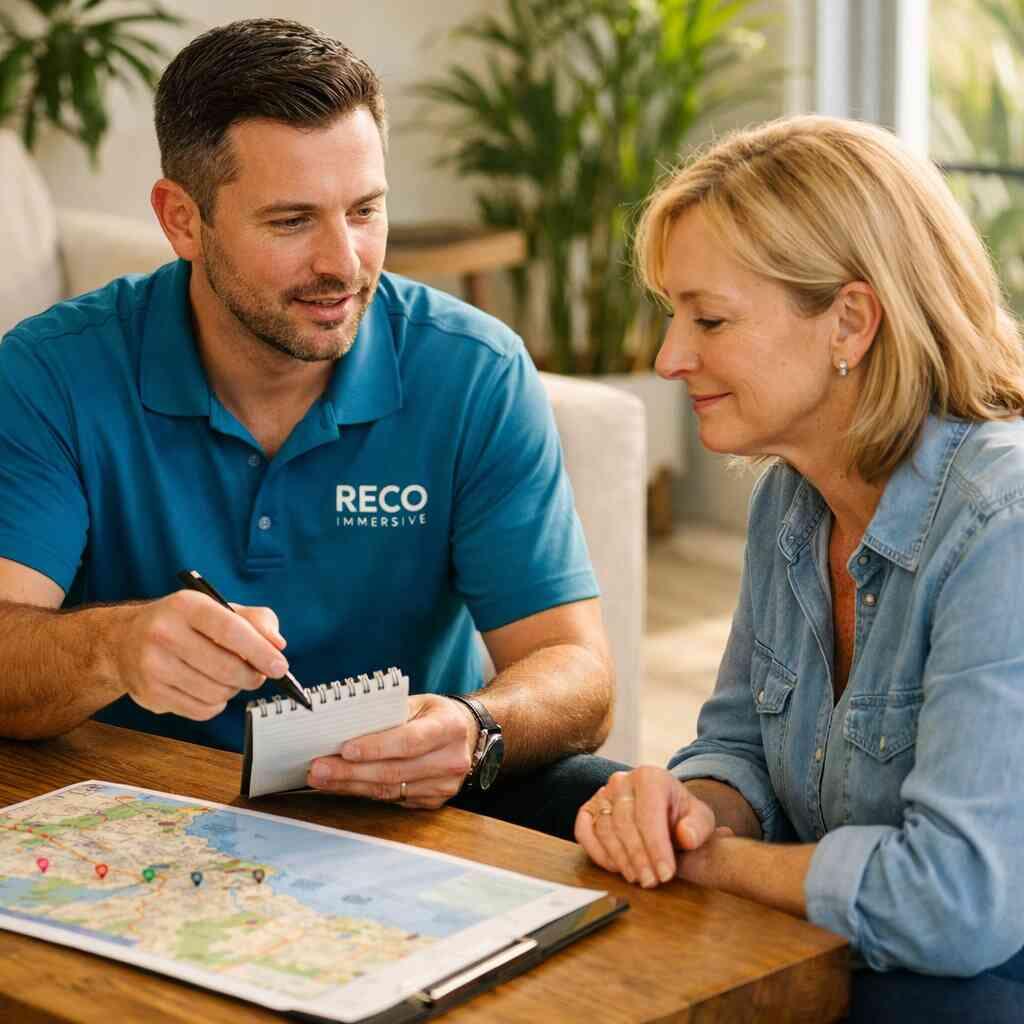
Level of careBest forTypical focusPHPHigher support needs, unstable routines, recent relapseDaily structure, therapy, medication monitoringIOPMore stability, work or school demands, step-down careCoping skills, group therapy, relapse preventionResidential careHighest support needs, unsafe home setting, severe symptoms24-hour structure, stabilization, planningA person leaving an outpatient program in Delray Beach may thrive in IOP if their home is stable. Someone with recent relapse, severe withdrawal history, or medical issues may need PHP first. That is especially true for people with cocaine detox Florida needs, opioid rehab Delray concerns, or fentanyl treatment questions. The goal is to match the level of support to the load of real life.
Dual diagnosis treatment for co-occurring disorders and mental health IOP in South Florida
Many people do not fit neatly into “addiction” or “mental health” boxes. They need both addressed together. That is the heart of dual diagnosis treatment for co-occurring disorders. NIDA has long emphasized that substance use and mental health conditions often interact. If depression, trauma, or panic is untreated, recovery becomes harder. If substance use is untreated, mental health symptoms often worsen.
A good mental health IOP in South Florida can support people with depression and addiction, anxiety treatment needs, or bipolar disorder therapy. It may also help people with PTSD treatment needs after trauma, including first responders, veterans, or people with long-standing family stress. At RECO Immersive, evidence-based treatment may include CBT, DBT, and EMDR trauma therapy for PTSD treatment. EMDR is a structured trauma therapy that helps the brain process distressing memories more safely.
Medication can also be part of the plan when clinically appropriate. Medication-assisted treatment may include Suboxone maintenance for opioid use disorder or Vivitrol injections for some people in recovery. These are FDA-approved tools, not shortcuts. They work best with therapy, case management, and relapse prevention. That is the standard most clinicians trust.
Finding the right fit for alcohol use, opioid rehab Delray needs, trauma therapy South Florida, and long-term recovery
The right fit depends on more than the substance name. Someone seeking an alcoholism treatment center may need medically supervised withdrawal, then therapy, then alumni support. Another person may need help with prescription pill addiction, benzodiazepine withdrawal, or heroin recovery. Someone else may need trauma therapy South Florida because the substance use grew out of pain, fear, or unresolved grief. Good care treats the whole picture.
RECO Immersive is built for that wider view. Its approach fits people looking for private rehab, beachside recovery, or Florida rehabs that take insurance. The intake process can include insurance verification, including Aetna, Cigna, Blue Cross Blue Shield, and out-of-network benefits when available. Some people prefer self-pay options. Others want to understand how long detox lasts before they commit. These are practical questions, and they deserve clear answers.
If you are comparing programs, use this simple checklist:
- Does the program offer dual diagnosis care?
- Does it provide step-down support from residential to PHP or IOP?
- Does it include aftercare support and access to an alumni program?
- Does it connect people to sober living resources and community support?
- Does it fit your needs for young adult rehab, women’s rehab, men’s recovery, or LGBTQ+ affirmative treatment?
RECO Immersive’s Delray Beach rehab setting can be a strong fit for people who need both structure and dignity. The location at 140 NE 4th Avenue, Delray Beach, FL 33483, places it close to the local recovery community and the calm of the coast. That matters more than it sounds. Environment shapes follow-through. The best programs use that reality instead of ignoring it.
The clearest next move is simple: ask for a level-of-care review and insurance verification before you wait for a crisis. You do not have to solve every problem today, and you do not have to do this alone. Start with one call, one honest conversation, and one plan that fits the life you are trying to protect.
Frequently Asked Questions
How long does detox last at a Delray Beach rehab?
Detox length depends on the substance, dose, medical history, and prior withdrawal symptoms. Alcohol and benzodiazepine withdrawal can require close monitoring, while opioid detox may unfold differently. A safe program screens for seizure risk, dehydration, sleep issues, and mental health symptoms. If you are asking about South Florida detox support, the right answer is usually personalized, not one-size-fits-all.
Does RECO Immersive take my insurance?
Many Florida rehabs that take insurance verify benefits before admission. RECO Immersive can help with insurance verification and review plan options such as Aetna, Cigna, and Blue Cross Blue Shield when applicable. Coverage can vary based on deductibles, network status, and level of care. Ask about out-of-network benefits and self-pay options if needed. A quick verification call can prevent surprises later.
What is the difference between PHP and IOP?
PHP, or partial hospitalization, gives more weekly structure and clinical time. IOP, or intensive outpatient, offers strong support with more flexibility for work, school, or family needs. Both are used after detox or residential care. The right fit depends on safety, symptoms, and home stability. If daily structure is still necessary, PHP may fit better. If you are ready for more independence, IOP may be enough.
Can family be involved in treatment?
Yes, family often plays a major role in recovery. Programs may offer education, boundary work, and family therapy and guided recovery planning. That support helps relatives understand relapse warning signs and healthier communication. Family involvement can also improve the transition from rehab to independent living. The best role for family depends on safety, consent, and clinical need.
What if I need help for depression but not addiction?
You may still benefit from care if depression, anxiety, trauma, or bipolar symptoms are affecting daily life. A mental health IOP in South Florida can support mood symptoms with therapy and structure. If substance use is also present, dual diagnosis treatment is often the better fit. The right program should screen for both, because the two often overlap.
Does RECO Immersive help with sober living placement?
Programs with strong discharge planning often help clients identify structured sober housing and other Florida recovery resources. That support can include coordination, referrals, and planning around work, therapy, and meetings. If you need case management and sober living placement support, ask early. Housing choices affect relapse risk, so planning ahead matters.
Can I keep using alumni support after discharge?
Alumni support can be a helpful part of long-term recovery. It may include check-ins, community events, peer contact, and recovery-oriented activities that reduce isolation. People often use alumni support after IOP, residential care, or aftercare planning. If you value ongoing connection, ask how the alumni program works and how often it meets. That ongoing support can make the return to daily life more stable.