Top 7 Signs a Loved One May Need Rehab in Delray Beach
If you are reading this because something feels off, trust that feeling. The hardest part is often not knowing whether you are overreacting. Families in Delray Beach tell us that same fear all the time, especially when the person still goes to work, answers texts, and says they are fine. Yet addiction rarely announces itself […]

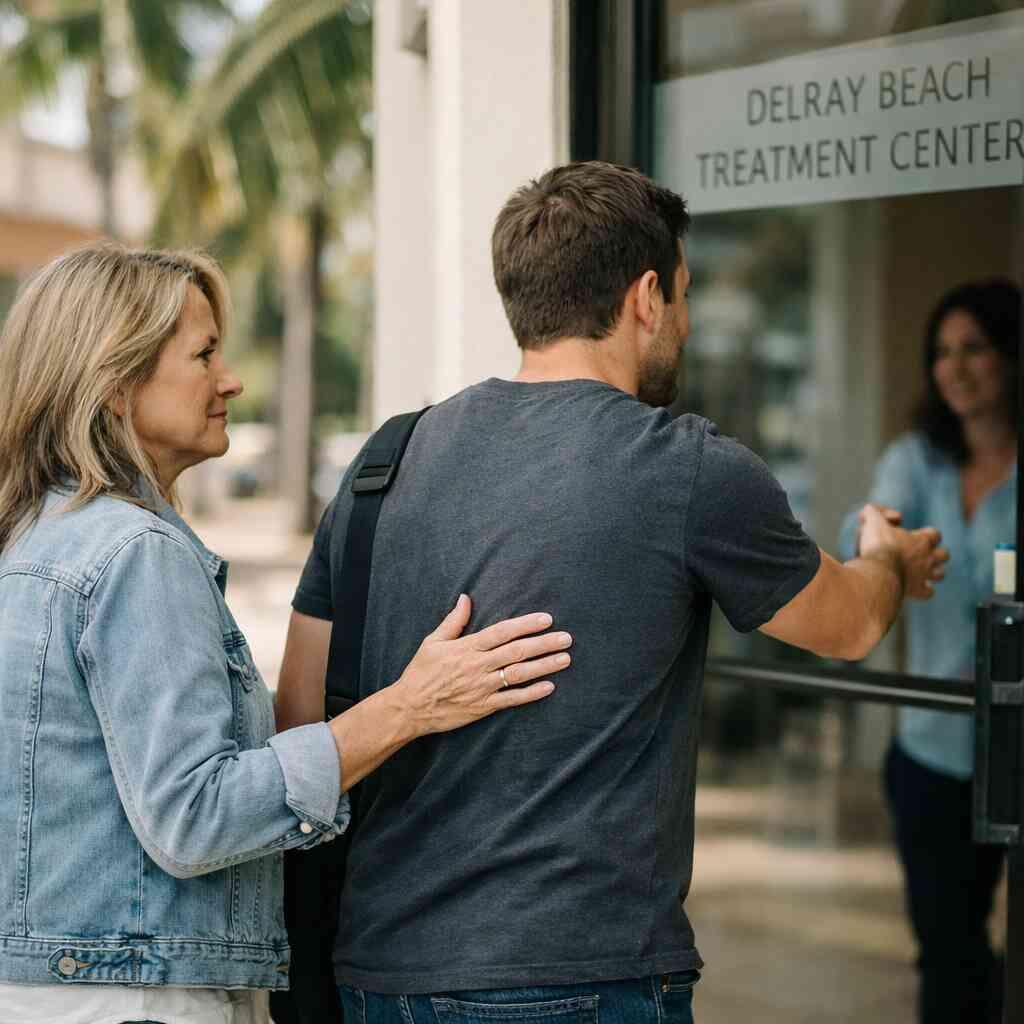
If you are reading this because something feels off, trust that feeling. The hardest part is often not knowing whether you are overreacting. Families in Delray Beach tell us that same fear all the time, especially when the person still goes to work, answers texts, and says they are fine. Yet addiction rarely announces itself loudly at first. It usually slips in through small changes, then starts taking up more room.
One partner in a beachside apartment near Atlantic Avenue once described it this way: “Nothing was obviously wrong until everything was.” That is the part most people miss. The signs can look like stress, grief, burnout, or a rough season. But when the pattern keeps repeating, Florida addiction treatment may be the safer path. If you want a broader overview, this warning signs of addiction in a loved one in Delray Beach guide can help you compare what you are seeing.
“My experience at Reco changed my life. It allowed me to see with fresh eyes all that healing can do. (For all who apply themselves). Great staff with encouraging and loving hearts. I had a complete experience and would suggest their support to anyone and everyone. Reco Delray Beach taught me a better way of thinking and being despite my traumas♥️”– Yolanda M., a 5 star review from our business on Google Business Reviews
1) When the mood shifts, the secret starts showing up in plain sight
Why a loved one in Delray Beach may look functional while alcohol or drug use keeps escalating
A person can look productive and still be in real trouble. They may show up for family dinner, answer emails, and keep the routine intact. Meanwhile, the substance use is getting heavier, more frequent, or more hidden. That is why Delray Beach rehab conversations often start with confusion, not collapse.
Here is the part many families miss: functioning does not mean safe. A person may be using before work, after work, or in private moments that no one sees. If the behavior keeps changing, the need for when to seek rehab in Delray Beach becomes harder to ignore. The question is not whether life still looks normal from the outside. The question is whether the substance is quietly running the schedule.
The early warning pattern of signs of addiction that families often excuse as stress, burnout, or grief
The earliest signs of addiction often look human. Sleep gets worse. Temper shortens. Plans get canceled. A loved one may seem distant, defensive, or unusually secretive. Families often excuse these changes because they want to believe this is temporary.
That makes sense. It is painful to suspect something bigger. Yet repeated excuses can become a blind spot. If you keep hearing the same story, but the behavior keeps changing, that is a signal. In South Florida recovery settings, those patterns often point toward Florida addiction treatment for a loved one near Delray Beach, especially when alcohol or drug use has started shaping moods and choices.
What changes in sleep, appetite, hygiene, and follow-through can suggest Florida addiction treatment is needed now
The body usually tells the truth before the person does. You may notice skipped meals, constant snacking, poor appetite, or weight changes. Sleep may swing between exhaustion and restlessness. Hygiene can slide, too, along with missed calls, unfinished tasks, and broken promises.
One mother near Lake Ida told our team her son stopped “acting like himself” long before he admitted anything. He slept late, forgot simple commitments, and kept saying he was just tired. By the time she looked closer, the alcohol use had already grown. If this sounds familiar, Florida addiction treatment may be the right next move. In a coastal healing environment, these changes deserve attention early.
2) The lie of normal gets louder when tolerance and withdrawal take over
How needing more to feel the same effect can point to cocaine detox Florida, opioid rehab Delray, or prescription pill addiction
Tolerance is one of the clearest signals that use is becoming a problem. The person needs more to get the same effect. That can show up with alcohol, cocaine, opioids, or pills. It may also show up as shorter gaps between uses.
This is where families start hearing strange explanations. “It does not hit like it used to.” “I only took a little more.” “It is just to take the edge off.” Those lines often hide a deeper shift. If cocaine, opioids, or pills now drive the day, cocaine detox Florida, opioid rehab Delray for fentanyl and heroin recovery, or care for prescription pill addiction may be needed.
Why shakes, sweating, panic, nausea, or irritability can signal benzodiazepine withdrawal or alcohol dependence
Withdrawal changes the picture fast. A person may shake, sweat, feel nauseated, panic, or become irritable when the substance wears off. That is not simply discomfort. It can mean the body has adapted to the drug. With alcohol and benzodiazepines, withdrawal can become medically dangerous.
That is why people should not try to guess their way through it. Benzodiazepine withdrawal can cause severe symptoms, and alcohol dependence can do the same. A sober morning that starts with shaking hands or a racing heart is not casual. It may point toward benzodiazepine withdrawal care in Florida or supervised alcohol detox. In those cases, South Florida detox for escalating substance use is often safer than waiting.
When symptom relief stops looking casual and starts looking like South Florida detox may be safer than waiting
The key shift is this: the substance is no longer about feeling good. It is about stopping pain, fear, or sickness. That is a major warning sign. Once that happens, the risk of a sudden stop rises sharply.
SAMHSA guidance has long supported medically monitored withdrawal when symptoms may intensify. In plain terms, detox should match the risk. If someone is using alone, hiding symptoms, or reaching for the next dose just to function, the need for South Florida detox for escalating substance use grows. In the cases we see most often, the biggest mistake is waiting for “one more bad night.” By then, the body has often already spoken.
3) When the real problem is not just substance use but dual diagnosis
How depression and addiction can feed each other until both need treatment together
Substance use and mood symptoms often reinforce each other. A person drinks to ease sadness, then feels worse the next day. Or they use drugs to blunt numbness, then feel emptier after the high fades. That loop can get tight fast.
This is why depression and addiction need to be treated together, not as separate problems. NIDA and many clinical teams use the co-occurring disorders model because one issue can keep the other alive. A loved one may need dual diagnosis treatment in Palm Beach County, not just a short detox stay. In some cases, co-occurring disorders treatment at a Delray Beach facility gives the person the structure they have been missing.
Why anxiety treatment, PTSD treatment, and bipolar disorder therapy often belong inside dual diagnosis treatment and co-occurring disorders care
Anxiety, trauma, and mood swings can sit underneath addiction for years. A person may drink to quiet panic. They may use pills to sleep after trauma. Or they may cycle through energy, crashes, and impulsive choices that look like willpower problems but are not.
That is where evidence-based care matters. CBT helps people spot thoughts that fuel use. DBT adds skills for distress and emotion control. EMDR can help with trauma memories that keep the nervous system on alert. If you are looking for anxiety treatment and depression treatment in South Florida or PTSD treatment and trauma therapy in South Florida, those services often belong inside dual diagnosis treatment when addiction is also present.
What it means when a loved one needs a mental health IOP or outpatient program Delray Beach instead of only a short detox stay
Detox clears the body. It does not rebuild coping. That is the gap many families do not expect. If the person still struggles with cravings, panic, sleep, or relapse triggers after withdrawal, they may need ongoing care.
A mental health IOP in South Florida for co-occurring disorders or an outpatient program in Delray Beach for recovery support can help bridge that gap. In some cases, a partial hospitalization program or residential level of care is more appropriate first. A strong treatment plan often moves from stabilization to skill-building to aftercare planning. That sequence supports long-term recovery better than a short, disconnected stay.
4) The day-to-day life tells you more than the story someone is telling
How missed work, broken promises, money problems, and relationship conflict can point to a residential treatment facility need
The daily pattern matters more than the apology. Missed shifts. Late bills. Lost jobs. Heated fights. Repeated promises that never become action. Those are not small issues if they keep stacking up.
A loved one may say they just need rest or a fresh start. But when life keeps unraveling, the level of care may need to rise. A residential treatment facility can provide structure that home cannot. For many families in Palm Beach County, that structure becomes the turning point. A stable schedule, therapy, and case management can interrupt the spiral before it gets worse.
Why isolation, legal trouble, risky driving, and secrecy often show a loss of control rather than a bad patch
People in active addiction often shrink their world. They stop showing up. They avoid family. They hide receipts, calls, and locations. Some start driving under the influence or making choices that put others at risk.
That is not just a rough season. It is often a loss of control. Here is what almost no online guide mentions: secrecy usually grows when shame grows. The person may already know things have gone too far. If the behavior keeps expanding into legal trouble or unsafe driving, the need for drug rehab near me becomes urgent, not optional. A calm, direct conversation may still help, but delay can raise the risk.
How family therapy and intervention services can help when the pattern is clear but the person still refuses help
Families often wait too long because they hope love alone will change the pattern. Love matters. So do boundaries. When the person refuses help, intervention services and family therapy for addiction support can create a clearer path.
A sister from Boca Raton once told us she stopped arguing and started documenting. She listed missed events, money losses, and safety scares on paper. That changed the conversation. It became harder to minimize. In many cases, family involvement is not about blame. It is about helping everyone speak plainly. The right treatment setting can then include family weekend, communication work, and relapse prevention planning.
5) When safer use is no longer safe enough
How overdose scares, mixing substances, blackouts, or using alone shift the concern from concern to urgency
Some signs move the issue from concerning to urgent. An overdose scare is one. Mixing alcohol with pills is another. Blackouts matter too. So does using alone, because no one is there if something goes wrong.
This is especially serious with fentanyl, heroin, and mixed pill use. The risks rise fast and often unpredictably. If a person has already had a near miss, the next event may not be a warning shot. It may be a crisis. That is why opioid rehab Delray for fentanyl and heroin recovery and supervised detox can matter so much. In some cases, cocaine detox options in Florida near Delray are also part of the picture.
What repeated relapse, failed cutbacks, and constant cravings say about the need for evidence-based treatment
Relapse does not mean failure. But repeated relapse does mean the current plan is not enough. If a loved one keeps cutting back, then using again, then promising it is under control, the pattern needs a different response. Cravings that feel constant also suggest the brain and body have been pulled into the cycle.
Evidence-based treatment gives structure to that cycle. It can include therapy, relapse prevention, groups, and medication when appropriate. FDA-approved options such as Vivitrol and Suboxone are part of care for some opioid use disorders. In a recent JAMA Network Open analysis, continuing care models showed better engagement for many patients than short treatment alone. That fits what clinicians see every day: skills take time. Florida addiction treatment for a loved one near Delray Beach should support more than abstinence. It should support change.
When medication-assisted treatment such as Vivitrol injections or Suboxone maintenance may be part of the care plan
Some families worry that medication-assisted treatment just replaces one drug with another. That is not how current medical practice sees it. These medicines can reduce cravings and lower relapse risk when used correctly. They are tools, not shortcuts. Vivitrol injections may help some people after opioid or alcohol treatment. Suboxone maintenance can help others stabilize and rebuild. The right fit depends on history, symptoms, and goals. A strong team explains the options clearly and does not push one answer for everyone. If you are asking how long detox lasts, the better question is often what support comes after detox ends. 
6) What a good Delray Beach rehab should actually look like
How to choose a rehab that offers licensed clinicians, insurance verification, and a clear intake process
Choosing care can feel overwhelming. That is normal. You may be staring at insurance terms, levels of care, and a dozen center names online. Start with the basics. Ask who provides treatment, how they verify coverage, and what happens during intake.
A strong program should explain services in plain language. It should offer insurance verification for rehab in Florida before you commit. It should also be clear about the admissions process for a private rehab in Delray Beach. If a center cannot explain its level of care or who is actually involved, keep looking. For many people, questions about Aetna, Cigna, Blue Cross Blue Shield, or out-of-network benefits are part of the same call.
Why inpatient rehab Palm Beach County, partial hospitalization program, and intensive outpatient each fit different levels of need
Not every person needs the same setting. Some need 24-hour structure. Others need day treatment with evenings at home. The right fit depends on safety, stability, and relapse risk.
Level of careBest forTypical focusinpatient rehab Palm Beach CountyHigh risk, unstable symptoms, unsafe home settingStabilization, therapy, daily supportpartial hospitalization programSerious symptoms, but not 24-hour supervisionIntensive therapy, medical oversightintensive outpatientSteadier patients who need strong supportSkills, accountability, relapse preventionThat is why Delray Beach rehab levels of care matter so much. A good team helps you match the program to the need, not the wish.
How trauma therapy South Florida, CBT, DBT, EMDR trauma therapy, group therapy activities, family weekend, and holistic recovery can support long-term recovery
Recovery lasts longer when care addresses the whole person. Trauma work matters. Skill work matters. Connection matters. That is why therapies like cognitive behavioral therapy and dialectical behavior therapy for recovery are so commonly used. They help people build coping skills, manage triggers, and think more clearly under stress.
A good Delray Beach rehab may also include group therapy activities, family therapy, mindfulness meditation, yoga therapy, art therapy, and nutritional counseling. Some people benefit from 12-step alternatives or SMART Recovery. Others want a more traditional recovery community. The point is not one perfect path. The point is a thoughtful plan that supports long-term recovery, aftercare support, and real life outside treatment.
7) The moment to stop guessing and act on the next right move
How to weigh private rehab, out-of-network benefits, and self-pay options without getting trapped by cost fear
Cost fear stops many families before they even call. That is understandable. Insurance language can feel cold and confusing. Still, the bill should not be the first and final decision-maker. Ask about private rehab options, out-of-network benefits, and self-pay options clearly and early.
Good admissions teams will talk through coverage without pressure. They will help you compare choices. They should also tell you what is known and what is not. If you are comparing Florida rehabs that take insurance, ask for written details. A transparent conversation now can prevent a bigger surprise later. Insurance verification for rehab in Florida is a practical place to begin.
What to ask about aftercare planning, sober living resources, alumni program support, and relapse prevention before admission
The real work starts after discharge. Ask what happens next. Ask about aftercare planning, sober living resources, and whether the program offers an alumni program. Ask how relapse prevention is taught and reviewed. Ask who helps with case management, life skills training, and vocational support.
A strong plan should include follow-up, not just farewell. That is where continuing care best practices matter most. If a center can explain how it supports RECO Intensive alumni and ongoing connection, that tells you something important about its values. You want a plan that fits the life your loved one returns to, not just the one they leave behind.
Why RECO Immersive at 140 NE 4th Avenue Delray Beach FL 33483 can be a fit for South Florida recovery when the signs are no longer subtle
RECO Immersive sits in the heart of Delray Beach at 140 NE 4th Avenue Delray Beach FL 33483, close to the energy of Atlantic Avenue and the calm people often want during treatment. For some, that local setting matters. It feels close enough to home, but removed from the chaos that fed the problem. If you are looking for a Delray Beach rehab with a personalized, guided feel, that balance can help.
The center’s approach aligns with modern clinical care: evidence-based treatment, dual diagnosis support, therapy, and aftercare planning. RECO Immersive’s location also makes it part of the broader South Florida recovery community, with access to nearby Palm Beach County treatment centers and regional support. If the signs are no longer subtle, stop waiting for certainty to arrive on its own. Call, ask your questions, and start with one honest conversation today.
Frequently Asked Questions
How long does detox last at a Delray Beach rehab?
Detox length depends on the substance, dose, health history, and withdrawal risk. Alcohol and benzodiazepine withdrawal may need closer medical monitoring than many people expect. Opioid withdrawal can also vary, especially with fentanyl exposure. A careful program will assess symptoms first, then recommend the right level of care. If you want a safer estimate for your situation, ask about our medical detox process during intake.
Does RECO Immersive take my insurance?
That depends on your plan, your benefits, and whether you have out-of-network coverage. The fastest way to find out is an insurance review before admission. You can ask about Aetna, Cigna, Blue Cross Blue Shield, and self-pay options during the same call. The team can also explain whether your policy may cover PHP, IOP, or residential services. Start with insurance verification rather than guessing.
What is the difference between PHP and IOP?
A partial hospitalization program, or PHP, usually gives you more treatment hours and structure. Intensive outpatient, or IOP, gives you strong support with more flexibility for work or home life. PHP is often better for people who need more daily stability. IOP fits people who are safer and steadier, but still need consistent therapy. The right choice depends on symptoms, support at home, and relapse risk.
Can family be involved in treatment?
Yes, family involvement often helps. Many programs include family therapy, education, and structured weekend programming. That can improve communication and reduce confusion about boundaries, relapse, and support. Families also learn how to avoid accidental enabling. Ask early about the family program and how often loved ones can participate.
What if my loved one needs help for depression but not addiction?
That still matters. Depression can become dangerous on its own, especially if it overlaps with sleep problems, isolation, or hopelessness. If substance use is also present, a dual diagnosis evaluation is usually wise. If addiction is not the main issue, the team should still explain appropriate care. You can ask about therapy, psychiatric support, and an outpatient plan that fits the person’s needs.
Is there support after discharge?
There should be. Good programs plan for relapse prevention, sober living resources, and alumni support before discharge. That includes referrals, coping skills, and follow-up structure. Continuing care matters because recovery changes over time. If a program offers an alumni program, that can help people stay connected after treatment ends.
What should I do today if I think the signs are real?
Do one clear thing. Write down the behaviors you have seen, with dates and examples. Then make one call to a treatment center that offers both assessment and levels of care. Bring up the mood changes, withdrawal signs, safety concerns, and insurance questions in that same call. You do not have to solve everything today. You just need one honest conversation.