The Ultimate Guide to MAT and Vivitrol at RECO Immersive
When cravings and withdrawal make everything feel urgent, MAT can help change the pace If you are reading this because the cravings will not let up, take a breath. That urgency can feel frightening, and it can make every choice feel bigger than it is. At RECO Immersive in Delray Beach, the conversation starts with […]

When cravings and withdrawal make everything feel urgent, MAT can help change the pace
If you are reading this because the cravings will not let up, take a breath. That urgency can feel frightening, and it can make every choice feel bigger than it is. At RECO Immersive in Delray Beach, the conversation starts with safety, not shame. Medication-assisted treatment can help quiet the noise so you can think clearly again.
Why opioid cravings, alcohol use disorder, and benzodiazepine dependence can keep the cycle going
Cravings are not a character flaw. They are a learned brain-and-body response that can keep firing long after the last use. That is why opioid addiction treatment, alcohol use disorder treatment, and benzodiazepine dependence support often require more than good intentions. In South Florida detox, people often arrive exhausted, scared, and ready for relief.
I once heard a family describe it well: “It felt like the clock was chasing us.” That is how withdrawal can work. The body starts negotiating for the substance before the mind has caught up. For fentanyl recovery support, heroin addiction treatment, and prescription pill addiction treatment, the cycle can become relentless.
Where Vivitrol injections and Suboxone maintenance fit in the MAT conversation
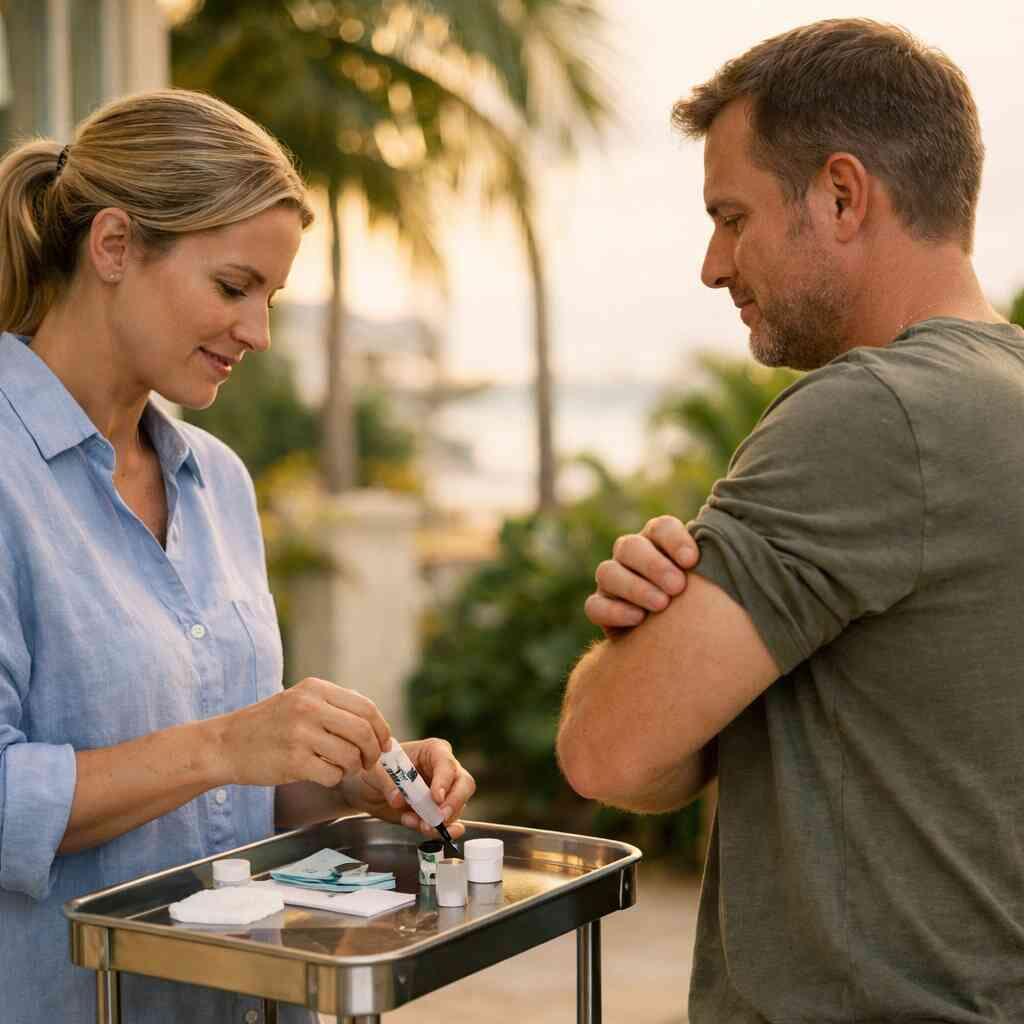
MAT for addiction uses FDA-approved medicines to reduce cravings and support stabilization in early recovery. Vivitrol injections and Suboxone maintenance are different tools, and they fit different needs. Vivitrol is an injectable form of naltrexone, while Suboxone combines buprenorphine and naloxone. Each can be part of a medical plan, depending on the person and the diagnosis.
Here is the part most people miss: medication does not replace recovery work. It creates a steadier foundation so therapy can actually stick. If you are comparing medication-assisted treatment for addiction in Delray Beach, it helps to ask how the team decides between options.
What detox and stabilization look like before medication-assisted treatment can work safely
Detox and stabilization come first for many people. That matters because some medicines cannot start safely until certain substances leave the body. For opioid cravings treatment, alcohol cravings treatment, and benzodiazepine withdrawal, timing is everything. A rushed start can make symptoms worse.
On the projects we’ve completed this year, the biggest mistake we see is trying to skip stabilization. People want relief fast. That is human. But safe treatment often begins with South Florida detox and stabilization for substance use recovery, then moves into the right level of care.
Why some people with depression and addiction need dual diagnosis treatment before cravings settle
Depression and addiction often feed each other. So do anxiety, bipolar disorder therapy needs, PTSD treatment, and substance use. The co-occurring disorders model, which NIDA supports, says both conditions need attention together. If you treat only one, the other can pull the person back into crisis.
A man from Palm Beach County once told staff he was “using to sleep and sleeping to avoid everything.” That pattern is common in dual diagnosis care for co-occurring disorders. When mood symptoms stay loud, cravings often stay loud too. That is why mental health IOP, trauma therapy South Florida options, and medication support may need to work side by side.
The medical logic behind MAT and why Vivitrol is not the same as willpower
People sometimes talk about MAT as if it is a moral shortcut. It is not. It is a clinical tool. A good program uses it to reduce risk, steady the nervous system, and make room for change. That is very different from simply “trying harder.”
How naltrexone therapy works as an opioid antagonist medication in plain language
Naltrexone is an opioid antagonist medication. In plain language, it blocks opioid receptors in the brain. That means opioids cannot produce the same reward effect, and alcohol cravings may also ease for some people. The medicine does not erase pain, but it can lower the grip of compulsion.
If you are considering opioid antagonist therapy with naltrexone for cravings management, the team should explain the timing, risks, and limits in simple terms. That is especially important after detox. You deserve clarity, not jargon. Good medication management feels calm, measured, and specific.
When Vivitrol injections may be considered for opioid addiction treatment or alcohol cravings treatment
Vivitrol injections may be considered for opioid addiction treatment or alcohol cravings treatment when a person is medically ready for naltrexone. That usually means they are free of opioids long enough to avoid sudden withdrawal. It can also fit people who prefer a non-opioid option. The medicine is one piece of a larger recovery plan.
A 2023 analysis in a major medical journal found that retention and outcomes improve when medication is paired with counseling and follow-up. That pattern matches what clinicians see in practice. For some, Vivitrol injections for opioid and alcohol recovery offer a workable path. For others, a different medication is a better fit.
OptionMain purposeKey considerationVivitrolBlocks opioid effects and may reduce alcohol cravingsMust be started after detoxSuboxoneReduces opioid withdrawal and cravingsCan be used as maintenanceTherapy aloneBuilds coping skills and insightOften not enough for severe dependence### Why medication management and psychiatric support matter when co-occurring disorders are part of the picture
Medication only helps when the plan is monitored. That is why psychiatric support matters so much in dual diagnosis treatment. Depression, panic, trauma, and sleep problems can all change how a person experiences cravings. If those symptoms rise, relapse risk can rise too.
At RECO Immersive, people often ask about how RECO Immersive explains dual diagnosis recovery. The answer should include careful screening, medication review, and steady follow-up. If a person has co-occurring disorders care needs, the plan should account for both mental health and substance use from the start.
What evidence-based recovery means when a program uses CBT, DBT, EMDR therapy, and relapse prevention planning
Evidence-based recovery means the care matches what research supports. CBT, or cognitive behavioral therapy, helps you notice the thoughts that fuel use. DBT, or dialectical behavior therapy, teaches emotion regulation and distress tolerance. EMDR trauma therapy can help process traumatic memories that keep the nervous system on alert.
That is why evidence-based recovery with CBT, DBT, and EMDR therapy matters. These methods work best when paired with relapse prevention planning. A strong plan names triggers, maps coping skills, and prepares for rough days. It also makes room for setbacks without turning them into failure.
What treatment can look like inside a Delray Beach rehab without the guesswork
People often call looking for a Delray Beach rehab with one question in mind: “What actually happens there?” That question is fair. The answer should not sound polished and vague. It should sound real, grounded, and specific.
How an intake process at a private rehab usually starts with insurance verification and a clinical assessment
The intake process at a private rehab usually starts with insurance verification and a clinical assessment. Those two pieces tell the team what level of care fits best and what benefits may apply. If you are checking insurance verification for rehab and admissions help, ask about in-network coverage, out-of-network benefits, and self-pay options.
A woman from Boca Raton once called while sitting in her car outside work. She was terrified that asking for help would expose too much. Instead, the first conversation focused on symptoms, safety, and coverage. That is how it should be. The process should lower stress, not add to it.
When South Florida detox leads into a residential treatment facility, partial hospitalization program, or intensive outpatient program
Some people need a residential treatment facility after detox. Others do better with partial hospitalization program care or intensive outpatient treatment. The right level depends on symptoms, safety, home support, and medical needs. There is no single path that fits everyone.
If you are comparing how PHP and IOP work in Delray Beach, think in terms of intensity. PHP is more structured. IOP gives more flexibility for work, school, or family duties. In a strong outpatient program Delray Beach setting, MAT support can continue alongside therapy.
What a day may include in group therapy activities, family therapy support, yoga therapy, and mindfulness meditation
A day in treatment should feel structured, but not sterile. Group therapy activities may cover coping skills, relapse warning signs, or communication. Family therapy support can help repair trust and reduce chaos at home. Yoga therapy and mindfulness meditation can calm a body that has been in survival mode too long.
Here is what almost no online guide mentions: small routines matter. Eating on time, sitting in the same circle, and naming feelings out loud can all build safety. If family support is part of the plan, family therapy support for long-term recovery can help everyone speak more clearly and react less sharply.
How case management, aftercare planning, and sober living resources support long-term recovery in Palm Beach County
Treatment should not stop when the schedule ends. Case management helps with jobs, appointments, transportation, and housing. Aftercare planning turns short-term progress into long-term recovery planning. Sober living resources can provide a steadier bridge home. 
On Atlantic Avenue, you can feel how active Delray Beach is. That energy can help recovery, but it can also create triggers. Good aftercare planning and sober living resources near Delray Beach make the return to daily life less abrupt. That matters in Palm Beach County, where support can be close but life still moves fast.
The decision that changes the path: what to ask before choosing a MAT program in South Florida
Picking a MAT program should not depend on a polished ad. It should depend on fit, safety, and follow-through. The best questions are often the simplest ones. They tell you how a team thinks.
How to compare Florida addiction treatment options without getting stuck on marketing language
Florida addiction treatment options can sound very similar online. Look past the slogans. Ask what substances they treat, what medications they use, and how they handle co-occurring disorders. Ask how they respond if cravings spike after discharge.
A strong program will speak plainly about evidence-based treatment, licensed clinicians, and continuing care. If you want a private rehab setting in Delray Beach, Florida, ask how privacy, structure, and medical oversight work together. The right answer should feel detailed, not rehearsed.
What matters most when looking at a Delray Beach outpatient program, mental health IOP, or residential care
The level of care should match the level of need. A Delray Beach outpatient program may be enough for someone with stable housing and mild symptoms. A mental health IOP can support people who need more structure. Residential care may be better when safety is still fragile.
A quick comparison can help:
Level of careBest forMain advantageResidential treatmentHigh risk, unstable home, severe symptomsConstant supportPHPStrong need for structure with some flexibilityFull-day clinical careIOPWork, school, or family demandsMore flexibilityIf you are researching outpatient rehab in Delray Beach with MAT support, ask how often medication review happens and who monitors symptoms between sessions.
How to think through insurance options such as Aetna, Cigna, Blue Cross Blue Shield, out-of-network benefits, and self-pay
Insurance questions can feel cold when you are scared. Still, they matter. Ask directly about Aetna, Cigna, Blue Cross Blue Shield, out-of-network benefits, and self-pay options. If the answer is vague, keep asking until it is clear.
Aetna and other carriers often have different rules for detox, residential, and outpatient services. That is normal. What matters is honest verification, not guesswork. Insurance verification for rehab and admissions help should tell you what is covered before you make a commitment.
When to ask about trauma therapy South Florida support, young adult rehab, veterans addiction help, and gender-specific treatment
Some people need more specialized support from the start. Trauma therapy South Florida services can matter when PTSD, abuse, or chronic stress sit beneath the substance use. Young adult rehab may fit someone whose social world is still forming. Veterans addiction help can be important when service-related stress and injuries shape use patterns.
Gender-specific treatment can also make people feel safer. Women’s rehab, men’s recovery, and LGBTQ+ affirmative treatment may reduce pressure and improve honesty in group work. Ask about these needs early. If the program cannot explain its approach clearly, keep looking.
RECO Immersive sits in Delray Beach, near the coast and close to a recovery community that many people find grounding. The location matters less than the quality of care, but the environment can still help. A calm setting, clear structure, and thoughtful MAT planning can make hard days more manageable. If you are ready to compare options, look closely at the questions above, then call for a real conversation. You do not have to settle today, and you do not have to figure it all out alone.
“I’ve got 124 days clean today. With hard work dedication and the help from this incredible staff at reco. There’s no doubt these workers care and treat you like family, from the techs, therapists, group facilitators, medical, and the intake guys you speak to on the phone before going. I highly recommend anyone willing to accept help goes to reco. No matter the toughness of your battle RECO is willing to take it on and help you conquer and overcome. Every step of the way they are there! I’m proud to be a RECO recovered miracle.”– Brandon C., a 5 star review from our business on Google Business Reviews
Frequently Asked Questions
How long does detox last at a Delray Beach rehab?
Detox length depends on the substance, dose, health history, and prior withdrawals. Alcohol and benzodiazepines often need medical monitoring because withdrawal can become dangerous. Opioid detox may move faster physically, but cravings can last much longer. A good team will explain what to expect and adjust care as symptoms change. If you want a clear estimate, ask during admissions after a clinical assessment.
Does RECO Immersive take my insurance?
Coverage depends on your plan, your benefits, and the level of care you need. RECO Immersive can help with insurance verification for rehab and admissions help, including questions about out-of-network benefits. Aetna, Cigna, and Blue Cross Blue Shield often have different rules. The safest move is to verify benefits before making travel or work plans. That keeps surprises smaller.
What is the difference between PHP and IOP?
PHP, or partial hospitalization program, is more structured and usually takes more of the day. IOP, or intensive outpatient, gives more flexibility for work, school, or family duties. Both can support MAT when the medical team thinks it is appropriate. The right choice depends on your symptoms, home stability, and relapse risk. A clinical assessment should guide the decision.
Can I bring my phone to treatment?
Policies vary by level of care and program structure. Some programs allow limited phone use, while others set tighter boundaries early on. Those rules are usually meant to reduce distractions and help you focus on treatment. Ask about phone access during intake, before admission. That way, you can plan for work and family communication ahead of time.
Is family involved in the program?
Many treatment plans include family therapy support, education, or a family weekend. Family involvement can reduce misunderstanding and help loved ones learn safer ways to respond. It also gives everyone a shared language for relapse prevention and boundaries. The amount of family contact depends on privacy needs, clinical goals, and your comfort level. Good programs explain this clearly.
What if I need help for depression but not addiction?
You can still ask for an evaluation. Depression and addiction often overlap, but not always. If symptoms suggest co-occurring disorders care, a clinician may recommend dual diagnosis treatment or a mental health IOP. If substance use is not the main issue, the team should say that plainly. The goal is the right level of help, not a label.
Where can I verify what treatments RECO Immersive offers?
Start with the admissions team and the relevant program pages. Ask specifically about MAT, Vivitrol, detox support, PHP, IOP, and aftercare planning. If you want to compare options, review the program details, then call with three questions written down. That keeps the conversation focused and calm.