How to Choose a Residential Treatment Facility in South Florida
When a South Florida rehab looks polished but still feels wrong You may be staring at a beautiful website and still feel uneasy. That feeling matters. If you are reading this at night, worrying about detox, money, or judgment, take a breath. This decision is hard because the stakes are real. A polished lobby means […]

When a South Florida rehab looks polished but still feels wrong
You may be staring at a beautiful website and still feel uneasy. That feeling matters. If you are reading this at night, worrying about detox, money, or judgment, take a breath. This decision is hard because the stakes are real. A polished lobby means very little if the care plan is weak.
The clues that matter more than the lobby or the beach view
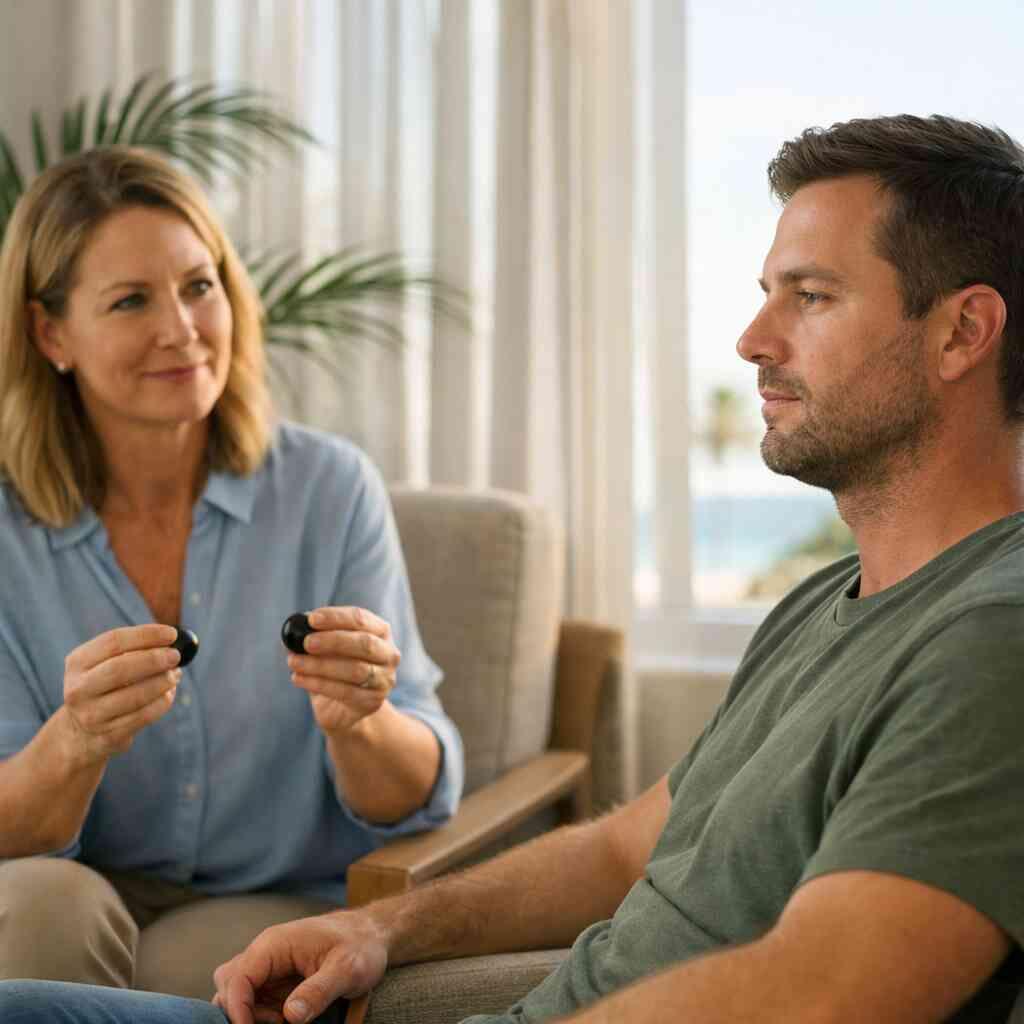
A coastal healing environment can help you settle in, but it cannot carry treatment by itself. In Delray Beach, some centers lean hard on palm trees, sunlight, and luxury details. Those things may feel comforting. They do not tell you whether the program treats co-occurring disorders, substance use, or withdrawal safely.
Here is the part most families miss: ask what happens after the first phone call. Ask who handles the intake process. Ask how the team manages a rough night, a panic spike, or a relapse scare. A center that can explain those details usually has more substance than a center that only sells the setting.
In the programs we have reviewed this year, the strongest options have one thing in common: they feel calm, but they also feel organized. That means clear schedules, realistic house rules, and staff who can explain the day without reading from a script. In South Florida recovery, that structure matters more than a beach view.
Why a residential treatment facility must match the level of care, not just the budget
A residential treatment facility should match your symptoms, not just your budget. If drinking, opioid use, benzodiazepine withdrawal, or severe depression are in the picture, a lower level of care may not be enough. If the person needs South Florida detox before therapy can even begin, that changes everything. The right level of care can keep a crisis from becoming a medical emergency.
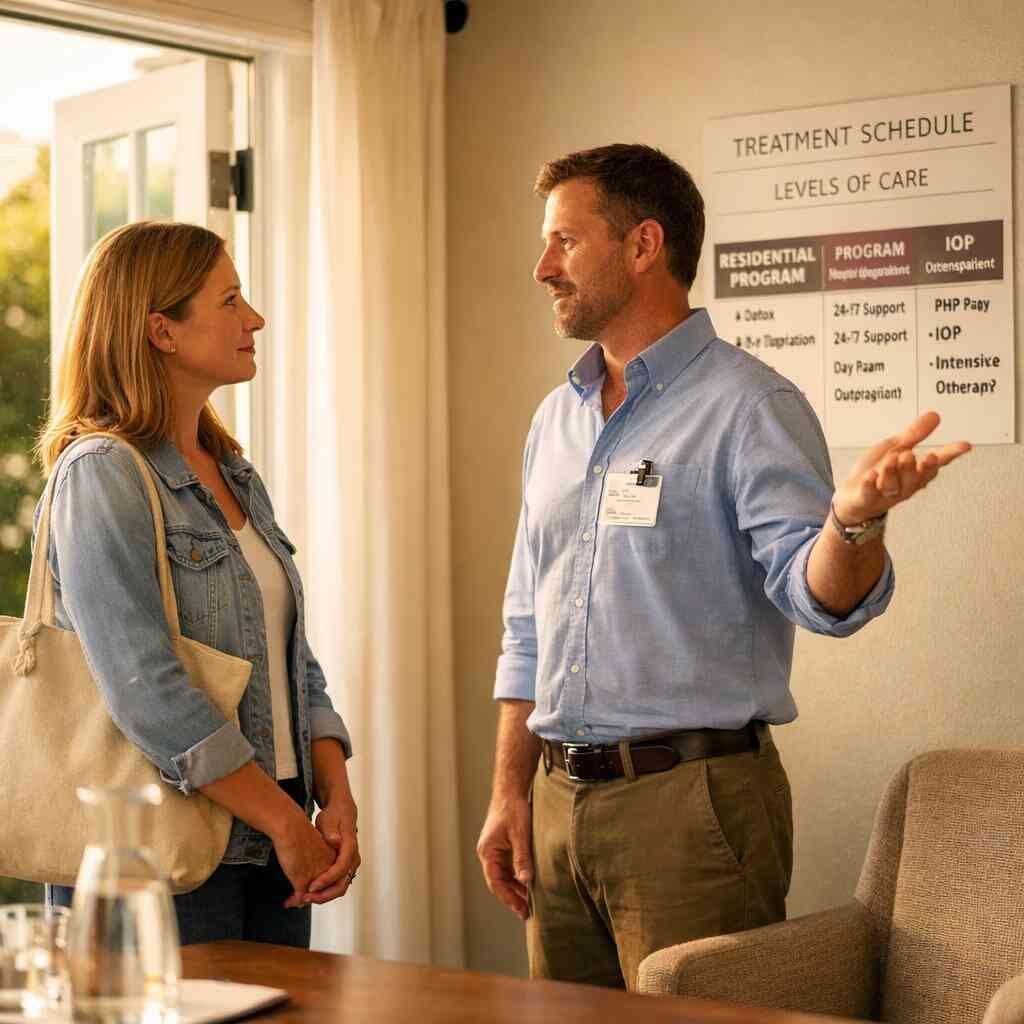
Think in layers. Inpatient rehab Palm Beach County usually fits people who need the most support. A partial hospitalization program can work when you need strong daytime care and a safe return home at night. An intensive outpatient plan often fits after stabilization, or when symptoms are serious but manageable. The question is not which option sounds best. The question is which option fits the clinical picture.
A family in Boca Raton once told us they kept comparing brochures for weeks. One program looked upscale, but the schedule felt thin. Another had fewer marketing flourishes and much stronger structure. They chose the more grounded option, and the difference showed up in sleep, mood, and follow-through. That is the kind of decision that matters in early recovery.
How to spot whether a center is built for stability, privacy, and real follow-through
Stability shows up in small things. The house is clean, but not cold. The rules are firm, but not punitive. Staff answer questions directly. Records and discharge plans are handled without confusion. That is what you want if you are comparing a private rehab with a more crowded setting.
Privacy matters because early recovery is tender. Some people need quiet to think. Others need space because shame is already loud enough. A good center protects that privacy while still making room for group therapy activities, family therapy, and honest clinical work. The best programs balance calm with accountability.
Also watch for follow-through. Ask about aftercare planning, sober living resources, and relapse response before you admit. Ask whether the center supports 12-step alternatives like SMART Recovery as well as traditional peer support. Ask how they handle work schedules, school, or childcare. Good treatment plans do not end at discharge. They prepare you for the next hard week.
The paper trail that separates a trusted Delray Beach rehab from a risky one
A good feeling is not enough. You need proof. In a place like Delray Beach, where there are many options and many claims, the paper trail helps you separate real care from marketing. This is especially important if you are comparing Florida addiction treatment centers for a loved one who is scared, guarded, or worn down.
What Joint Commission accreditation and DCF licensing should tell you before you call
Start with accreditation and licensing. Joint Commission accreditation and DCF licensing do not guarantee perfect care, but they do tell you the center has passed important checks. In plain terms, those markers suggest oversight, safety standards, and a formal review process. If a program cannot clearly explain its status, pause.
A trusted center should also make it easy to verify basic details. For example, RECO Immersive lists its RECO Intensive location at 140 NE 4th Avenue Delray Beach FL 33483, which helps when you are checking legitimacy and geography. That address places it near the Atlantic Avenue corridor and the wider Delray Beach recovery community. Location matters because follow-up care, transportation, and family visits all become easier when the setting is real and accessible.
You should never feel rushed past verification. Ask for the licensing status. Ask what levels of care are offered. Ask whether the center follows SAMHSA guidelines and whether it works within recognized standards. A quality program will answer without defensiveness.
How to read insurance verification details for Aetna, Cigna, Blue Cross Blue Shield, and out-of-network benefits
Insurance questions can feel maddening. They are also essential. Many families assume a center “takes insurance” in a simple yes-or-no way, but the truth is more specific. You need to know what is covered, what is authorized, and what may still come to you as a bill.
If you are checking Aetna, Cigna, Blue Cross Blue Shield, out-of-network benefits, or self-pay options, ask for written verification. Ask whether benefits cover detox, residential treatment, PHP, and IOP separately. Ask whether the plan uses coinsurance, deductibles, or a medical necessity review. That is the kind of detail that keeps surprise costs from landing later.
For a closer look, use insurance verification for Florida rehabs that take insurance. That matters if you are comparing Florida rehabs that take insurance and want a clear answer fast. The right team should explain benefits in plain language. You should never have to decode the bill alone.
Why licensed clinicians, dual diagnosis treatment, and evidence-based treatment should be easy to confirm
This is where many flashy programs get fuzzy. You should be able to confirm licensed clinicians and evidence-based treatment without a scavenger hunt. If a center treats depression and addiction, anxiety treatment, bipolar disorder therapy, or trauma symptoms, the clinicians should be able to name their methods. Common evidence-based tools include cognitive behavioral therapy, dialectical behavior therapy, and EMDR trauma therapy.
If the center says it offers dual diagnosis treatment, ask how it manages both conditions together. The co-occurring disorder model is simple: mental health symptoms and substance use often feed each other. NIDA has long emphasized that treating both at once gives people a stronger chance at stability. That is why a center that understands dual diagnosis should explain medication support, therapy cadence, and crisis planning clearly.
A helpful page for this is licensed clinicians and evidence-based treatment. If you are specifically comparing co-occurring disorders treatment in a recovery program, look for a team that can speak to both sides of the problem. You want clinicians who know how to reduce risk, not just talk about motivation. That distinction matters.
What to ask about detox, medication-assisted treatment, and clinical oversight before admission
Detox is not a side note. It is often the first medical decision. If someone needs cocaine detox Florida, opioid rehab Delray, fentanyl treatment, heroin recovery, prescription pill addiction, or benzodiazepine withdrawal support, ask what the monitoring looks like. Ask how often vitals are checked. Ask whether a physician or advanced medical provider reviews the case. Ask how emergencies are handled. If the center offers medication-assisted treatment, ask which medications it uses and why. FDA-approved options such as Suboxone maintenance and Vivitrol injections can support some patients, especially when cravings are intense or relapse risk is high. The key is fit. Not every medication helps every person, and a strong program will explain the choice rather than selling it. 
For a deeper look at medical stabilization, see our medical detox process. Families often ask, “How long is detox?” The honest answer is that it varies by substance, health, and history. Alcohol withdrawal and benzodiazepine withdrawal can require especially close oversight. A safe program will say that plainly.
Choosing the right fit for long-term recovery in Palm Beach County and beyond
The best facility does more than get someone through the door. It creates a path that still works after the first hard week. That is where many plans fail. They look fine on paper, but they do not connect the living room, the clinic, and the world outside. Long-term recovery needs that bridge.
How PHP, IOP, and residential treatment fit together when the discharge plan is done well
The question of what is PHP vs IOP comes up constantly. A partial hospitalization program gives you more hours of care and closer clinical oversight. Intensive outpatient gives you fewer hours and more flexibility for work, school, or family. Residential treatment sits above both when the person needs a safer, more contained setting. The right sequence depends on symptoms, housing, and support at home.
A good discharge plan moves through these levels on purpose. It does not just send you home and hope for the best. It maps the next appointment, the next ride, the next medication check, and the next therapy group. If you are comparing what PHP versus IOP means at a treatment center, ask how the transitions are handled. Smooth step-downs protect momentum.
In South Florida, that planning matters because life moves fast. Work, traffic, and family demands can eat recovery alive if the schedule is vague. A strong center in Palm Beach County will explain the handoff from residential to outpatient without making it feel abrupt. That is a sign of serious clinical thinking.
When trauma therapy South Florida, CBT, DBT, EMDR, and family therapy should shape the plan
Many people use substances to blunt pain. That pain often includes trauma, grief, shame, or chronic stress. If that sounds familiar, then trauma therapy South Florida should be part of the plan. So should clear, structured methods like CBT, DBT, and EMDR trauma therapy for PTSD.
CBT helps people catch thoughts that trigger use. DBT helps with emotional regulation, distress tolerance, and impulse control. EMDR can help process traumatic memories without forcing you to relive every detail at once. These are not trendy add-ons. They are widely used because they give the brain new ways to respond.
Family therapy in recovery also matters more than many people expect. Families often carry fear, anger, and confusion of their own. When they understand the treatment plan, they stop guessing and start helping. That shift can reduce conflict at home and make relapse prevention more realistic.
Why holistic recovery, sober living resources, alumni support, and aftercare planning matter after the first week
Early recovery is not only about stopping use. It is about building a life that can hold the change. That is why holistic recovery, yoga therapy, art therapy, and mindfulness meditation can matter. They do not replace therapy. They support it by giving the body and mind new routines.
The best programs also plan for the time after discharge. Look for aftercare planning and relapse prevention, case management, life skills training, vocational support, and nutritional counseling. Ask about sober living resources near Delray Beach if home is unstable. Ask whether the center offers an alumni program. Continuity helps people stay anchored when motivation dips.
One client near Lake Worth had three sober starts and one bad discharge plan. The final time, the center lined up housing, meals, therapy, and a weekly support group before release. That change did not make recovery easy. It made recovery possible. That is the difference after week one.
How to weigh young adult rehab, professional’s program, LGBTQ+ affirmative treatment, veterans addiction help, and gender-specific treatment in a real decision
The best fit is not always the fanciest one. It is the one that understands your life. A young adult rehab may need more structure around school, identity, and family boundaries. A professional’s program may need privacy, scheduling flexibility, and support for stress. LGBTQ+ affirmative treatment should feel safe, respectful, and free from assumptions.
The same applies to veterans addiction help, gender-specific treatment, women’s rehab, and men’s recovery. People do better when treatment fits their lived reality. That may include trauma history, caregiving roles, identity concerns, or safety needs. A good center does not flatten those differences. It uses them to shape care.
If you are comparing trauma therapy in South Florida or looking at cognitive behavioral therapy and dialectical behavior therapy, ask who the program serves best. Ask about the daily mix of group therapy, individual sessions, and family work. Ask whether the environment fits your age, profession, and comfort level. Those details influence whether treatment sticks.
The next move if you are comparing options near Atlantic Avenue and want a center that can help with both mental health and addiction
If you are comparing centers near Atlantic Avenue, keep the choice simple. Ask three things: Can they treat mental health and addiction together, can they explain the plan clearly, and can they show you the paperwork to prove it? If the answer to any of those is vague, keep looking. Good treatment does not hide behind polished language.
For people seeking South Florida mental health treatment alongside substance care, a program in Delray Beach should be able to address both. RECO Immersive is built around that overlap, and its setting near the Delray Beach recovery community makes aftercare easier to connect. If you want to check the fit, ask about intake, levels of care, insurance, and the daily schedule. That will tell you far more than a brochure ever will.
Here is a detail that matters. One Google review said, “Reco is the best!! Best staff, Best housing in all of south Florida rehab facilities!! Hands down. They go above and beyond. When clients need anything they do their best to make sure clients are comfortable, enjoying soberity. I wouldn’t choose anywhere else but reco!!!”- Michael O., a 5 star review from our business on Google Business Reviews. Praise alone is not proof, but it can point you toward what families notice most: comfort, responsiveness, and follow-through. Use that as a prompt to ask better questions, not as a substitute for them.
FAQ
How long does detox last at a Delray Beach rehab?
Detox length depends on the substance, the amount used, medical history, and withdrawal risk. Alcohol, opioids, and benzodiazepines can require different timelines and different monitoring. A safe program will tell you that detox is individualized, not one-size-fits-all. If symptoms are severe, medical oversight matters more than speed.
What is the difference between PHP and IOP?
A partial hospitalization program offers more treatment hours and closer support. Intensive outpatient offers fewer hours and more flexibility for work, school, or family. Both can be useful after residential care, or when someone does not need overnight supervision. The right level depends on safety, symptoms, and home support.
Can treatment help if I have depression but not addiction?
Yes. Many centers treat depression and addiction together, but some also help with primary mental health concerns. If substance use is not the main issue, ask about mental health IOP, trauma support, and psychiatric care. The goal is a clear fit, not forcing you into the wrong track.
Does family involvement help in recovery?
Often, yes. Family therapy can reduce conflict, improve communication, and help loved ones stop reacting out of fear. It also gives family members a better understanding of boundaries and relapse signs. Good programs include family work when appropriate, not as punishment, but as support.
What should I ask about insurance before admission?
Ask whether the center accepts your plan, whether benefits cover detox and residential care, and whether you need prior authorization. Ask about deductibles, copays, and out-of-network benefits. If the answer is unclear, request written verification. That protects you from avoidable surprises.
Is medication-assisted treatment always part of rehab?
No. It depends on the person, the substance, and clinical judgment. Some patients benefit from Suboxone maintenance or Vivitrol injections. Others do not need medication support. A thoughtful program explains the choice and monitors it carefully.
What should I do today if I am comparing rehabs?
Make a short list of three centers and call each one. Ask about licensing, dual diagnosis care, detox, insurance verification, and aftercare planning. Then compare the answers side by side. You do not have to solve everything right now, and you do not have to do it alone.
Frequently Asked Questions
Question: In How to Choose a Residential Treatment Facility in South Florida, what should I look for in a Delray Beach rehab before I admit?
Answer: Start with the basics: licensing, level of care, and whether the program treats the whole picture, not just symptoms. At RECO Immersive in Delray Beach, families often ask about the intake process, dual diagnosis treatment, and how the team supports both addiction treatment and mental health care. A strong residential treatment facility should clearly explain its clinical structure, what happens during detox if needed, and how it transitions people into aftercare planning. If you are comparing Florida addiction treatment options, look for licensed clinicians, evidence-based treatment, and a program that can address depression and addiction, anxiety treatment, PTSD treatment, or bipolar disorder therapy when those concerns are present. The right fit should feel organized, compassionate, and specific about the plan, not vague or overly polished.
Question: Does RECO Immersive offer South Florida detox and support for cocaine detox Florida, opioid rehab Delray, fentanyl treatment, heroin recovery, prescription pill addiction, and benzodiazepine withdrawal?
Answer: RECO Immersive is focused on advanced mental health care and addiction treatment services in Delray Beach, so the best first step is to ask about the clinical fit for your needs and whether detox is part of the recommended path. For people dealing with cocaine detox Florida, opioid rehab Delray, fentanyl treatment, heroin recovery, prescription pill addiction, or benzodiazepine withdrawal, a safe start usually means careful medical review, honest screening, and a treatment plan that matches the severity of symptoms. The goal is not to rush into therapy before stabilization is in place. If a person needs South Florida detox, the program should be able to explain how withdrawal is monitored, what support is available, and when to move into residential treatment facility care, partial hospitalization program services, or intensive outpatient support. That kind of clarity helps families trust the process and make informed decisions.
Question: What is the difference between PHP, IOP, and residential treatment facility care at a Broward County rehab or outpatient program Delray Beach?
Answer: The difference comes down to structure, time, and support. A residential treatment facility offers the most contained environment, which can be important when someone needs distance from triggers and close clinical oversight. A partial hospitalization program gives strong daytime support while allowing the person to return home or to safe housing at night. An intensive outpatient or mental health IOP option offers fewer weekly hours and more flexibility for work, school, or family obligations. At RECO Immersive, the right level is chosen based on clinical need, safety, and the person’s real-life situation, not just convenience. If you are comparing Palm Beach County treatment centers, Broward County rehab options, or Boca Raton outpatient care, ask how the step-down process works, whether aftercare support is included, and how relapse prevention is built into the schedule. A thoughtful transition between levels can make long-term recovery more stable.
Question: How does RECO Immersive support dual diagnosis treatment, trauma therapy South Florida, and co-occurring disorders like depression and addiction or anxiety treatment?
Answer: RECO Immersive is designed for people whose substance use and mental health symptoms are connected, which is exactly why dual diagnosis treatment and co-occurring disorders care matter so much. Many people need support for depression and addiction, anxiety treatment, PTSD treatment, or bipolar disorder therapy at the same time they are addressing alcohol or drug use. A strong program should be able to integrate cognitive behavioral therapy, dialectical behavior therapy, and EMDR trauma therapy when appropriate, because these methods can help people develop coping skills and reduce the chance of returning to use. Trauma therapy South Florida services should also include space for family therapy, group therapy activities, and practical support that helps people build a steadier routine. The best care is individualized, respectful, and grounded in evidence-based treatment rather than generic advice.
Question: How do insurance verification, Aetna, Cigna, Blue Cross Blue Shield, out-of-network benefits, and self-pay options work at RECO Intensive location 140 NE 4th Avenue Delray Beach FL 33483?
Answer: Insurance verification is a key part of choosing any Florida rehabs that take insurance, and RECO Immersive encourages families to get clear answers before admission. If you are using Aetna, Cigna, Blue Cross Blue Shield, out-of-network benefits, or self-pay options, the important thing is to confirm what level of care is covered, whether prior authorization is needed, and what your estimated responsibility may be. A good admissions team should be able to explain benefits in plain language and help you compare residential treatment facility care, partial hospitalization program services, and intensive outpatient options. Because the RECO Intensive location is at 140 NE 4th Avenue Delray Beach FL 33483, it is also easier for families and local supporters to understand the setting and plan for visits, transportation, and aftercare planning. That transparency can reduce stress and help you focus on treatment instead of paperwork.
Question: Does RECO Immersive offer family therapy, aftercare planning, sober living resources, and support for young adult rehab, professional’s program, LGBTQ+ affirmative treatment, veterans addiction help, and gender-specific treatment?
Answer: Yes, these supports are important parts of a strong recovery plan because treatment should fit the person’s life, not force life to fit treatment. Family therapy can help improve communication and reduce conflict, while aftercare planning and aftercare support make the move out of treatment less abrupt. Sober living resources, case management, life skills training, vocational support, nutritional counseling, and an alumni program can all strengthen long-term recovery after discharge. For people looking for young adult rehab, a professional’s program, LGBTQ+ affirmative treatment, veterans addiction help, women’s rehab, or men’s recovery, the best center is one that respects identity, privacy, and lived experience. RECO Immersive’s approach is meant to be personalized and guided, which matters when building confidence, coping skills, and a realistic plan for life after treatment. If you are comparing options across South Florida recovery, ask how the program handles family weekend, group therapy activities, and relapse prevention so you can see how support continues beyond the first week.