Top 5 Trauma Therapy South Florida Approaches for Recovery
If you are reading this because sleep feels broken, your chest keeps tightening, or old memories keep crashing into your day, that fear makes sense. Trauma can make even simple decisions feel huge. The good news is that treatment does not have to feel vague or punishing. The right plan can help you feel steadier, […]

If you are reading this because sleep feels broken, your chest keeps tightening, or old memories keep crashing into your day, that fear makes sense. Trauma can make even simple decisions feel huge. The good news is that treatment does not have to feel vague or punishing. The right plan can help you feel steadier, safer, and more in control.
1) EMDR trauma therapy that helps the brain stop replaying the worst moments
Why EMDR trauma therapy is often chosen when flashbacks, nightmares, and body panic keep showing up
EMDR trauma therapy often helps when your mind knows the danger is over, but your body has not caught up. People in Delray Beach rehab settings often describe it as feeling “stuck on replay.” Flashbacks, nightmares, startle responses, and body panic can keep showing up long after the event. That is exhausting, and it can also fuel PTSD treatment in Delray Beach.
EMDR stands for eye movement desensitization and reprocessing. The name sounds technical, but the goal is simple: it helps the brain file traumatic memories in a less raw way. Many people seek it after abuse, assault, serious accidents, grief, or addiction and trauma treatment needs. In top trauma therapy approaches in South Florida, EMDR often stands out because it does not require you to retell every detail for hours.
How bilateral stimulation works in plain language and why it can help trauma memories feel less raw
Bilateral stimulation means the therapist guides attention back and forth. That may involve eye movements, taps, or sounds. The idea is not magic. It is structured processing that may help the brain reduce the emotional charge tied to a memory. In practice, people often notice that the memory still exists, but it stops feeling like it is happening right now.
Here is the part many families miss: EMDR is not always a first-session tool. If someone is still in crisis, detox, or severe panic, stabilization comes first. That matters in South Florida detox and in our medical detox process when substances, withdrawal, or sleep loss are still driving symptoms. A trauma therapist should decide when the nervous system is ready.
Who tends to do well with EMDR in a Delray Beach rehab setting and when it should wait until stabilization
EMDR often fits people who can stay present, follow directions, and tolerate mild discomfort without spiraling. It can be useful in a private rehab in Palm Beach County where trauma, substance use, and mood symptoms overlap. It may also help when someone wants a focused method inside a broader treatment plan. On the other hand, it should usually wait if the person is actively intoxicated, severely dissociated, or unable to self-soothe.
One client in the Delray Beach area had years of nightmares after a violent loss. He wanted the fear to stop, but he also had daily drinking and almost no sleep. The team started with stabilization, coping skills, and medication support. Only then did EMDR become useful. That sequence mattered.
How EMDR fits inside a larger trauma therapy South Florida plan with CBT, DBT, and dual diagnosis treatment
EMDR works best when it is part of a larger plan, not the whole plan. Trauma rarely shows up alone. It often arrives with depression, anxiety, bipolar symptoms, or drug and alcohol misuse. That is why dual diagnosis trauma treatment for co-occurring disorders matters so much. NIDA has long emphasized that co-occurring disorders need integrated care, not separate silos.
At RECO Immersive, EMDR can sit alongside CBT, DBT, and case management. That mix supports both the memory work and the daily structure. It is also why many families compare partial hospitalization program versus intensive outpatient program options before choosing a level of care. Trauma healing takes skill, timing, and consistency.
2) Cognitive behavioral therapy for trauma when thoughts and triggers keep running the show
The thought body action loop that keeps trauma symptoms alive and how CBT interrupts it
Cognitive behavioral therapy for trauma looks at a simple loop. A trigger shows up. A thought fires. The body reacts. Then the behavior follows. If the thought is “I am not safe,” your body may tense, your breathing may shorten, and you may avoid people or use substances to cope. CBT helps interrupt that loop before it takes over the day.
That matters because trauma is not only emotional. It is also behavioral. You may cancel plans, scan exits, or numb out after stress. CBT gives you a way to slow the process down and question the story your brain is telling. On the cognitive behavioral therapy for trauma recovery page, the focus is on practical tools that fit real life, not theory alone.
Which trauma beliefs CBT targets first such as shame, danger, blame, and helplessness
CBT often targets the beliefs that hurt the most. Shame says, “This was my fault.” Danger says, “It will happen again.” Blame says, “I should have stopped it.” Helplessness says, “Nothing will help.” These beliefs can feel true, especially after repeated trauma or addiction. They are also often the beliefs that keep people stuck.
A skilled therapist does not argue with your pain. Instead, they help you test what is true, what is old, and what is being repeated by fear. That is especially helpful in depression and addiction recovery support, where hopeless thinking can deepen relapse risk. In our experience, shame is often the loudest voice in the room. CBT gives it less power.
How cognitive behavioral therapy for trauma pairs with skills work in a partial hospitalization program or intensive outpatient program
CBT becomes more useful when it is practiced often. That is why it fits well inside a partial hospitalization program or outpatient program in Delray Beach structure. You can learn the skill, try it the same day, and bring back the results. That rhythm matters for people who feel overwhelmed by long gaps between sessions.
A PHP gives more support and more repetition. IOP gives more flexibility while still keeping structure. Both can help with trauma, cravings, and mood swings. If you are weighing mental health IOP against a higher level of care, ask how much practice you need each week. That answer usually matters more than the label.
Why CBT matters even when addiction, depression, or anxiety treatment is part of the same care plan
CBT is especially useful when trauma is tangled with substance use. A person may drink after a flashback, use opioids to sleep, or take pills to blunt panic. In those cases, trauma and addiction reinforce each other. CBT helps you see the chain clearly enough to change it. That is why clinicians often pair it with anxiety treatment in South Florida and mood care.
It also fits bipolar disorder therapy and mood support when thoughts and routines need steadying. In 2026, the mistake we see most often is trying to treat trauma without treating the coping behavior. That usually fails. Strong CBT helps you cope without making tomorrow harder.
3) Dialectical behavior therapy for trauma recovery when emotions feel too loud to manage
Why DBT is often a fit for people with trauma plus self harm urges, panic, or unstable moods
Dialectical behavior therapy for trauma recovery is often a strong fit when feelings rise fast and hit hard. Some people live with panic, self-harm urges, rage, or deep mood swings. Others feel fine one hour and overwhelmed the next. DBT was built for exactly that kind of instability. It teaches you how to stay safe while emotions are still intense.
That matters in trauma work because flooding can shut learning down. If your system is overwhelmed, insight alone will not help much. DBT creates enough pause for better choices. It is often used inside trauma therapy South Florida programs that also treat self-destructive habits, sleep loss, and relapse risk.
The four core DBT skills that matter most in trauma recovery including distress tolerance and emotion regulation
DBT usually centers on four skill sets:
- Mindfulness: noticing what is happening without getting swept away.
- Distress tolerance: surviving a hard moment without making it worse.
- Emotion regulation: lowering the intensity of feelings over time.
- Interpersonal effectiveness: asking for what you need and protecting boundaries.
These skills sound simple, but they take practice. They are especially useful when you are tired, triggered, or coming off a difficult week. Many clients hear a skill in group, then use it that evening during a family conflict or craving spike. That is how it starts to stick. Dialectical behavior therapy for trauma recovery gives structure to those moments.
How dialectical behavior therapy for trauma recovery supports safer choices during cravings, conflict, and sleep loss
Trauma recovery gets harder when sleep is poor. It gets even harder when cravings rise or conflict starts at home. DBT helps you pause before reacting. That can mean using cold water, paced breathing, or a short grounding routine before sending the text you may regret. Small choices matter. 
One young adult we saw had panic at night and strong urges to use pills after arguments. He did not need a lecture. He needed a plan. DBT gave him a short list: leave the room, breathe, text staff, and delay the decision by ten minutes. That small window changed the outcome more than once. It also reduced the shame spiral that followed.
Where DBT connects with group therapy activities, family therapy, and aftercare planning in South Florida
DBT fits well with group therapy for trauma survivors because skills get stronger when you hear them from peers. It also pairs well with family therapy for trauma recovery because trauma often reshapes the whole household. Families need the same skills in a different form. They need scripts, boundaries, and repair.
DBT also supports aftercare planning for trauma recovery and relapse prevention. That may include SMART Recovery alternatives, 12-step support, or sober living resources. The goal is not perfection. The goal is safer days, fewer blowups, and more recovery momentum.
4) Holistic trauma healing that works with the body, not just the story
Why trauma often lives in the nervous system and how mindfulness meditation for PTSD can calm the stress response
Trauma changes how the nervous system scans for threat. You may jump at sounds, brace in traffic, or feel sick after an ordinary conversation. That is not weakness. It is a stress system that learned to stay on guard. Mindfulness meditation for trauma symptoms can help bring that system down a notch.
Mindfulness does not erase pain. It teaches you to notice sensations without chasing them. That can lower reactivity over time. Many people like it because it feels concrete. You notice the breath, the feet, the chair, and the room. That can be enough to break a spiral.
How yoga therapy, art therapy, and group therapy for trauma survivors support regulation without forcing disclosure
Some trauma survivors are not ready to talk much. That is normal. Holistic trauma healing gives other ways in. Yoga therapy can restore body trust. Art therapy can help people express what language cannot hold. Group work can reduce isolation without forcing disclosure. These methods often help before deeper memory processing begins.
At RECO Immersive, holistic trauma healing and mindfulness meditation for PTSD can support the clinical work, not replace it. That balance matters. A person may do breathing work in the morning, trauma therapy after lunch, and a grounding exercise before bed. The structure can feel calming, especially in a coastal setting near Atlantic Avenue and the Delray Beach recovery community.
When medication-assisted treatment, Vivitrol injections, or Suboxone maintenance may be part of dual diagnosis trauma treatment
For some people, trauma and substance use are tightly linked. When opioid or alcohol use is part of the picture, medication can be an important stabilizer. FDA-approved options like Suboxone maintenance and Vivitrol may support safety and reduce relapse risk. That does not replace therapy. It can make therapy possible.
This is where dual diagnosis care matters again. If someone has PTSD and opioid use, or trauma plus alcohol addiction, the plan should address both. SAMHSA guidance and current addiction medicine practice both support integrated care. If you need opioid rehab Delray support, ask how medication, counseling, and follow-up fit together.
How a beachside recovery environment near Delray Beach and Palm Beach County can support rest, routine, and long-term recovery
Environment matters more than people think. A quiet, structured setting can help the body settle. That is one reason some people seek a Delray Beach recovery environment near Florida instead of a noisy, chaotic one. Palm trees, light, and a calmer pace do not cure trauma. They do make rest and routine easier to build.
A woman in early recovery once said the walk after group mattered as much as the group itself. That is not unusual. Moving from session to session in a steadier setting can support regulation. In a place like South Florida, that rhythm can become part of long-term recovery.
5) Choosing the right level of care before trauma gets tied to addiction again
When a residential treatment facility makes more sense than an outpatient program Delray Beach families can manage
Sometimes the biggest question is not therapy type. It is level of care. If symptoms are severe, sleep is collapsing, or substance use is active, a residential treatment facility may be a better fit than a lighter schedule. The same is true if home is unstable or triggers are constant. Structure can protect healing.
That is especially true after relapse, overdose risk, or repeated failed attempts to quit. A residential treatment facility gives more time, more oversight, and more daily support. It is often the right choice when trauma and addiction are both urgent. A simpler outpatient program Delray Beach families can manage may come later, once safety improves.
What PHP vs IOP really means and how to decide between partial hospitalization program support and mental health IOP
PHP means more hours, more contact, and more structure. IOP means fewer hours and more flexibility. That is the simplest way to think about partial hospitalization program versus intensive outpatient program. Both can work well for trauma. The right fit depends on how stable you are, how much support you have at home, and whether you need daily monitoring.
Level of careBest forTypical feelPHPSevere symptoms, recent crisis, higher support needsHighly structured daytime treatmentIOPStable enough for more independenceStrong therapy with more flexibilityResidentialUnsafe home setting or active relapse riskFull-time support and routineIf you are comparing inpatient rehab Palm Beach County options with step-down care, ask how the transition will work. The best program should explain that clearly.
How insurance verification, out-of-network benefits, and self-pay options affect the path into treatment
Cost worries are real. They stop many people from asking for help. Start with insurance verification for rehab in Florida. Ask about Aetna, Cigna, Blue Cross Blue Shield, out-of-network benefits, and self-pay options. If a center cannot explain coverage clearly, keep looking.
Do not guess on this part. The details matter. Some plans cover more than expected. Others require authorizations or limit certain services. You deserve a plain answer before you commit to treatment. That is true whether you are looking at Florida rehabs that take insurance or a private setting.
What to look for in licensed clinicians, evidence-based treatment, and aftercare support before you commit to a rehab
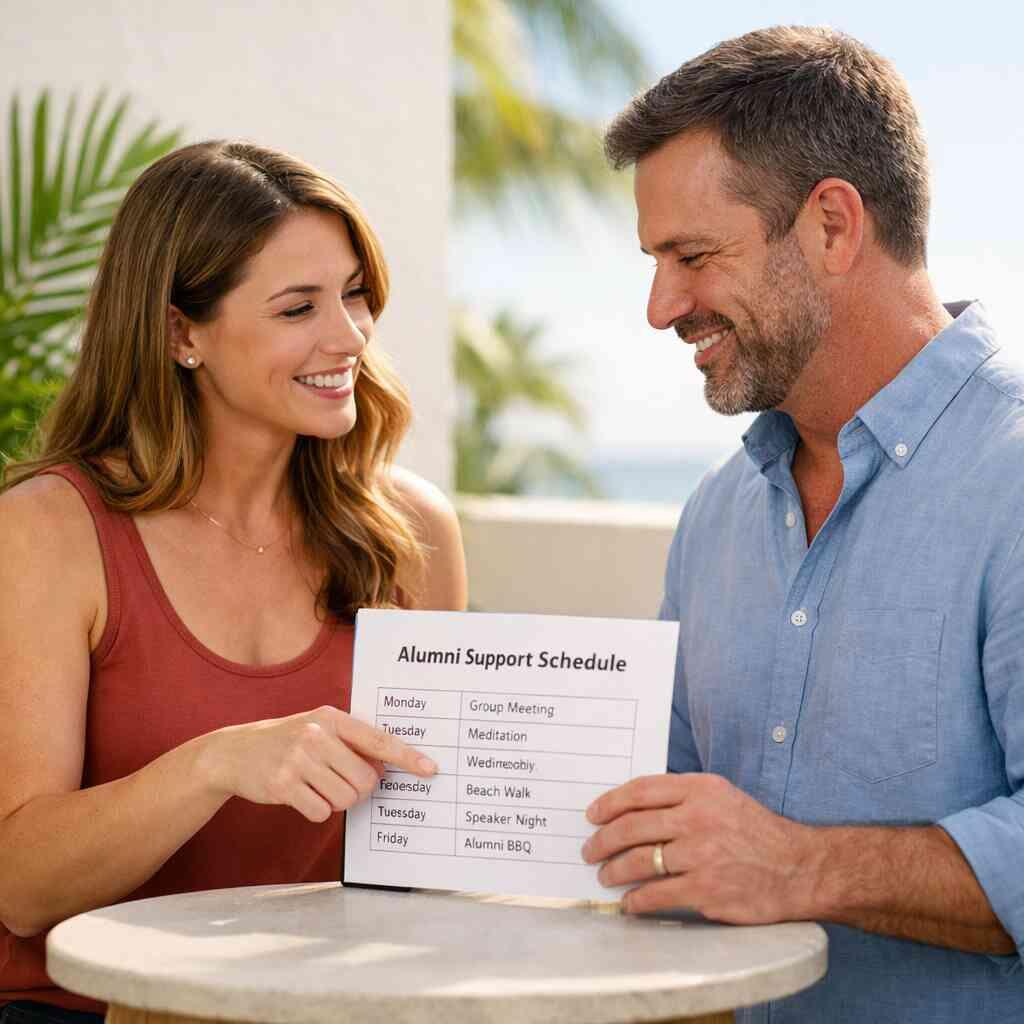
Choose a program that uses evidence-based treatment and can explain why each service is there. Look for licensed clinicians, clear schedules, and a thoughtful intake process. Ask how they handle dual diagnosis, family work, and step-down care. Ask about sober living resources, alumni support, and relapse prevention. Those details tell you more than a glossy brochure ever will.
Also ask about licensed clinicians and evidence-based treatment options and aftercare planning. If you are considering RECO Immersive, that conversation can include the RECO Intensive location at 140 NE 4th Avenue, Delray Beach, FL 33483, with attention to continuity after discharge. You do not have to figure this out alone, and you do not have to figure it all out today. Start with one call and one honest question.
If you want, I can continue with the next section and add the FAQ block in schema-ready format.
Frequently Asked Questions
Question: How does RECO Immersive use EMDR trauma therapy, cognitive behavioral therapy for trauma, and dialectical behavior therapy for trauma recovery in a trauma therapy South Florida plan?
Answer: RECO Immersive builds trauma care around the person, not just the symptom. In a trauma therapy South Florida plan, EMDR trauma therapy may be used to help reduce the emotional charge tied to traumatic memories, cognitive behavioral therapy for trauma can help identify and challenge fear-based thoughts, and dialectical behavior therapy for trauma recovery can strengthen distress tolerance, emotion regulation, and coping skills. This layered approach is especially helpful when trauma is connected to PTSD treatment in Delray Beach, depression and addiction, anxiety treatment in South Florida, or bipolar disorder therapy. The goal is to create a plan that feels steady, evidence-based, and realistic for long-term recovery.
Question: What level of care is usually best for someone looking at Top 5 Trauma Therapy South Florida Approaches for Recovery, especially if they also need dual diagnosis treatment or South Florida detox?
Answer: The best level of care depends on symptom severity, safety, and whether substance use is active. If someone needs close monitoring, a residential treatment facility may be the right starting point. If they need strong daily support but can safely return home, a partial hospitalization program may fit well. If they are more stable and need flexibility, an intensive outpatient program or mental health IOP may be a better match. RECO Immersive also considers dual diagnosis treatment, co-occurring disorders therapy, and South Florida detox needs when recommending care. That matters for people facing alcohol addiction recovery, opioid rehab Delray concerns, cocaine detox Florida needs, fentanyl treatment, heroin recovery support, prescription pill addiction treatment, or benzodiazepine withdrawal support. The right level of care should support stabilization first, then trauma processing.
Question: Does RECO Immersive offer holistic trauma healing options like mindfulness meditation for PTSD, yoga therapy, art therapy, and group therapy for trauma survivors?
Answer: Yes, holistic trauma healing is often an important part of recovery because trauma affects the body as much as the mind. RECO Immersive can incorporate mindfulness meditation for PTSD, yoga therapy, art therapy, and group therapy for trauma survivors to help people regulate emotions, rebuild body trust, and feel less isolated. These services can be especially helpful when traditional talk therapy feels overwhelming at first. They also pair well with family therapy for trauma recovery, aftercare planning for trauma recovery, and relapse prevention and coping skills work. For many people, a coastal healing environment and a structured routine make these approaches easier to practice and sustain.
Question: How does RECO Immersive support people who need trauma therapy South Florida care plus medication-assisted treatment, Suboxone maintenance, or Vivitrol injections?
Answer: When trauma and substance use are connected, treatment often works best when therapy and medication are integrated. RECO Immersive can support dual diagnosis and co-occurring disorders therapy alongside medication-assisted treatment when clinically appropriate, including options such as Suboxone maintenance or Vivitrol injections. This can be especially important for people dealing with opioid rehab Delray needs, heroin recovery support, fentanyl treatment, or alcohol addiction recovery. By combining evidence-based treatment with licensed clinicians, case management and life skills training, and structured aftercare support, the program helps reduce relapse risk while making trauma therapy more accessible and sustainable.
Question: Why might someone choose RECO Immersive over another private rehab in Palm Beach County for trauma therapy South Florida and outpatient program Delray Beach support?
Answer: People often choose RECO Immersive because it combines advanced mental health care with a compassionate, personalized approach in Delray Beach. The program offers support that can include inpatient rehab Palm Beach County level care, outpatient program Delray Beach services, mental health IOP, family therapy for trauma recovery, and aftercare planning that includes sober living resources, SMART Recovery, and 12-step alternatives when appropriate. It also helps families navigate insurance verification, including Aetna, Cigna, Blue Cross Blue Shield, out-of-network benefits, and self-pay options. For people searching for how to choose a rehab, the biggest advantage is having a program that understands trauma, addiction, and mental health together, while providing structure, licensed clinicians, and continuity of care at the RECO Intensive location, 140 NE 4th Avenue Delray Beach FL 33483.