
Top 5 Signs You May Need Dual Diagnosis Treatment
If your mental health symptoms and substance use keep feeding each other, you may need dual diagnosis treatment. The clearest sign is that stopping one problem does not help the other; both need care at the same time. If that feels confusing or heavy, it is. We hear this every week from people across Delray […]

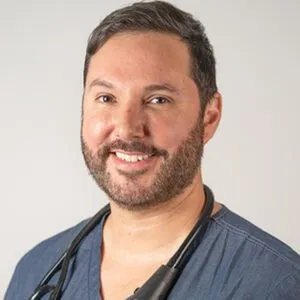
If your mental health symptoms and substance use keep feeding each other, you may need dual diagnosis treatment. The clearest sign is that stopping one problem does not help the other; both need care at the same time. If that feels confusing or heavy, it is. We hear this every week from people across Delray Beach and South Florida.
Key Takeaways
- Dual diagnosis treatment is often the right fit when depression, anxiety, PTSD, bipolar symptoms, and substance use worsen together.
- Repeated relapse after detox can mean the real issue is co-occurring disorders, not just willpower or “bad choices.”
- A strong plan may include residential treatment, PHP, or intensive outpatient care, depending on symptom severity and safety needs.
- Evidence-based care such as CBT, DBT, EMDR trauma therapy, family therapy, and medication-assisted treatment can address both sides of the problem.
- If you are missing work, school, sleep, or relationships, it is wise to ask for an assessment, insurance verification, and a clear level-of-care recommendation.
1) When mood swings stop looking like stress and start looking like dual diagnosis
When mood swings, panic, or numbness keep showing up with alcohol or drug use, that can point to co-occurring disorders. If the change lasts longer than a bad week, and substance use seems to intensify the mood problem or briefly mask it, dual diagnosis treatment is often the safer path. The key clue is the pattern: one issue keeps lighting the other on fire.
How depression and addiction, anxiety treatment, PTSD treatment, or bipolar disorder therapy can blur together in daily life
I often tell families that mental health and substance use can look like a moving target. A person may drink to quiet anxiety, use pills to sleep after trauma, or take stimulants to push through depression, then feel worse the next day. That cycle can hide the underlying illness for months.
The National Institute on Drug Abuse explains that substance use disorders commonly occur with mental health conditions, and that combined care works better than treating each problem alone. That is why a thoughtful assessment matters more than a quick label. In our work, I have seen people assume they “just need detox,” when what they really need is care for depression and addiction, anxiety treatment, or PTSD treatment together.
What changes at home, work, or school in Delray Beach and South Florida when co-occurring disorders are getting harder to hide
The signs usually show up in plain sight. You may miss shifts, stop answering texts, fall behind on classwork, or start canceling plans near Atlantic Avenue or anywhere else in the Delray Beach recovery community. At home, people may see more arguments, more sleeping during the day, or more isolation.
One client I worked with in Palm Beach County was still showing up on time, but only by using cocaine, then crashing hard by afternoon. The family thought it was stress. It was actually a mix of stimulant misuse, depression, and shame that kept getting worse. Once the team looked at both layers, the care plan finally made sense.
2) The relapse loop that keeps pulling you back even after detox
If you keep returning to alcohol or drug use after detox, that often signals more than withdrawal alone. Relapse can be driven by untreated trauma, anxiety, depression, or poor coping skills, especially with alcohol use disorder, prescription pill addiction, opioid rehab Delray needs, or cocaine detox Florida cases. Detox can clear the body, but it does not teach the brain new ways to cope.
Why repeated returns to alcohol use disorder, prescription pill addiction, opioid rehab Delray needs, or cocaine detox Florida often point to more than substance use alone
This is one of the hardest parts for families to understand. Detox removes substances, but it does not erase triggers. If someone keeps relapsing after a short period of relief, I start thinking about co-occurring disorders, grief, trauma, sleep disruption, or untreated pain.
If opioids are part of the picture, evidence-based treatment may include Suboxone maintenance or Vivitrol injections when clinically appropriate. For alcohol, a treatment team may discuss medication options and relapse prevention tools. The point is not to replace one drug with another. The point is to lower risk and give recovery a better foundation.
How withdrawal, cravings, trauma, and coping skills all interact when treatment is missing the mental health piece
Withdrawal can be brutal, especially with fentanyl, heroin, or benzodiazepine withdrawal. Cravings also spike when someone feels ashamed, alone, or flooded by old memories. That is why trauma therapy South Florida programs often combine medical support with skills training.
A simple way to picture it:
Piece of the cycleWhat it doesWhat helpsWithdrawalCreates physical distressSouth Florida detox with medical monitoringCravingsPushes quick relief-seekingCoping skills, structure, accountabilityTrauma or panicTriggers use as escapeEMDR trauma therapy, CBT, grounding skillsLow mood or angerMakes relapse feel “inevitable”Psychiatric care and daily supportThe SAMHSA National Helpline is also a solid place to start if you need a referral or you are trying to figure out how long detox is, what level of care makes sense, or where to verify benefits.
3) When one-size-fits-all care keeps falling short of real recovery
If standard treatment keeps missing the mark, the level of care may be wrong, or the diagnosis mix may be incomplete. Outpatient program Delray Beach care, PHP vs IOP, and residential treatment facility options each serve different needs. The best fit depends on safety, stability, and how much support you need each day.
Why outpatient program Delray Beach care, PHP vs IOP, and residential treatment facility options each matter when symptoms are layered
People often ask me, “What is PHP vs IOP?” The short answer is that a partial hospitalization program offers more hours and structure than intensive outpatient care, while IOP offers more flexibility for work, school, or family duties. A residential treatment facility adds 24-hour support when symptoms are intense or home is not stable. 
Level of careBest forTypical needResidential treatmentHigh risk, unstable symptoms, repeated relapseFull-day supportPHPSerious symptoms but some stabilityMost of the day in treatmentIOP / mental health IOPOngoing care with outside responsibilitiesSeveral sessions weeklyFor someone coming from inpatient rehab Palm Beach County or a beachside recovery setting, the step-down matters as much as the start. Good care should include aftercare planning, case management, and sober living resources if needed.
How evidence-based treatment such as CBT, DBT, EMDR trauma therapy, family therapy, and group therapy activities are matched to the diagnosis mix
I look for treatment that fits the person, not a preset script. Cognitive behavioral therapy helps change the thought loops that feed use. Dialectical behavior therapy supports emotion control and distress tolerance. EMDR trauma therapy can help when trauma memories keep driving panic or avoidance.
Family work matters too, especially when the home system has been strained for a long time. Our family therapy work often helps relatives stop reacting out of fear and start responding with structure. Group therapy activities and holistic recovery tools like mindfulness meditation, yoga therapy, and art therapy can also help people stay grounded between sessions.
The American Psychological Association has long supported evidence-based psychotherapy for anxiety, depression, and trauma-related symptoms. That matters because real recovery is built on skills, not slogans.
4) The red flags families miss before asking for help
Families often notice the damage only after sleep, mood, and responsibility start breaking down at once. If you see panic, isolation, anger, missed work, or constant exhaustion alongside drug or alcohol use, dual diagnosis treatment should be on the table. The sooner you ask, the more options you usually have.
How sleep changes, panic, isolation, anger, and missed responsibilities can signal the need for dual diagnosis treatment
Here is the part most people miss: not every warning sign looks dramatic. Sometimes it is a person sleeping all day, snapping over small things, forgetting appointments, or pulling away from everyone. Sometimes it is a parent, student, or professional who still looks “functional” but is barely holding it together.
Common red flags include:
- Frequent sleep changes or nightmares
- Panic, irritability, or sudden anger
- Missing work, school, or family events
- Lying about use or hiding bottles, pills, or devices
- Losing interest in friends, hobbies, or food
- Needing alcohol or drugs just to feel normal
If this is happening in a home near Boca Raton outpatient routes, West Palm Beach mental health offices, or anywhere in South Florida, do not wait for the situation to become a crisis.
When signs of addiction plus mental health symptoms should lead to insurance verification, an intake process, or a higher level of care
If the pattern is getting worse, start with an assessment and insurance verification. You do not need to know whether you need private rehab, out-of-network benefits, or self-pay options before you call. A good intake process can sort that out and explain whether treatment should start in detox, PHP, IOP, or residential care.
If you are comparing Florida rehabs that take insurance, ask about Joint Commission accreditation, licensed clinicians, SAMHSA-guided care, and what happens after discharge. RECO Intensive reviews often mention structure and support, but I would still tell you to verify every program for yourself. The right question is not “Who sounds best?” It is “Who can safely treat both conditions?”
“When I first arrived at RECO, one of the first employees I met greeted me with a hug and a big smile. She said, “You never have to feel like you did before you got here again.” And she was right.
I stayed at RECO for just over 60 days, leaving with more than 90 days of sobriety. The individual attention, genuine care, and personalized treatment plan helped me build a solid foundation for long-term recovery. At RECO, you’re truly treated like family—not just while you’re there, but even after you leave.
Since completing my stay, I’ve had the opportunity to visit a few times. There are still familiar faces, and every time I walk through those doors, it still feels like home. I first came to RECO three years ago, and I’ve been clean and sober ever since. That woman was right—I’ve never had to feel like I did before I got there again.”- Rodman S., a 5 star review from RECO Immersive on Google Business Reviews
5) What happens next when dual diagnosis treatment is the right call
When dual diagnosis treatment fits, the next step is a clear plan: assess, stabilize, treat both conditions, and build continuing support. The strongest Florida addiction treatment programs explain who provides care, how aftercare works, and what support exists after discharge. That clarity lowers fear and makes long-term recovery feel more manageable.
How to compare Florida addiction treatment options by asking about licensed clinicians, Joint Commission accreditation, aftercare planning, and sober living resources
I usually suggest asking five direct questions:
- Do you treat co-occurring disorders every day?
- Who provides therapy, psychiatry, and medical support?
- Is the program Joint Commission accreditation backed and properly licensed?
- What does aftercare planning include?
- Do you help with sober living resources, family weekend, or alumni support?
If you are comparing a Delray Beach rehab with other South Florida recovery options, look for a program that can move from detox to residential to outpatient without losing continuity. That continuity matters more than polished marketing. It is also worth asking about young adult rehab, LGBTQ+ affirmative treatment, veterans addiction help, and gender-specific treatment when those factors affect safety and trust.
Why a clear plan for medication-assisted treatment, relapse prevention, case management, and alumni program support can make long-term recovery feel more manageable
A good plan should cover more than discharge. It should include medication-assisted treatment when needed, relapse prevention, coping skills, life skills training, vocational support, nutritional counseling, and case management. That is how people leave treatment with a real structure, not just hope.
At RECO Immersive, our continuum of care can support people through medical detox, residential treatment, and step-down care, with services that fit the person’s needs rather than forcing one path. If you want a grounded, structured option in Delray Beach, I would encourage you to review our mental health therapy, our detox process, and insurance help so you can compare your choices with real information. Then, if it feels right, call +15614644077 and ask what level of care makes sense for you or your loved one.
Frequently Asked Questions
How long does detox last at a Delray Beach rehab?
Detox length depends on the substance, health history, and withdrawal risk. Alcohol and benzodiazepine withdrawal can require closer medical monitoring, while opioid withdrawal may move faster but still feel intense. A proper assessment should answer this early and help you decide whether South Florida detox, residential care, or a step-down plan is the safer fit.
What is the difference between PHP and IOP?
A partial hospitalization program offers more hours of treatment and more structure than intensive outpatient care. PHP often works well after detox or when symptoms are still active. IOP is usually a better fit when you need support but also need time for work, school, or home responsibilities.
Can I use insurance for Florida addiction treatment?
Often, yes. Many programs can check insurance verification and explain in-network, out-of-network, and self-pay options. If you are comparing Florida rehabs that take insurance, ask for a benefits review before admission so you know what is covered and what is not.
What if I need help for depression but not addiction?
You may still benefit from psychiatric care and mental health IOP if your mood symptoms are affecting sleep, work, or relationships. If alcohol or drug use is also part of the picture, dual diagnosis treatment may be the better match. A good intake process should help sort that out without judgment.
Is family involved in treatment?
In many programs, yes. Family therapy can help repair communication, set healthy boundaries, and reduce relapse triggers at home. Some programs also offer family weekend or education sessions so relatives understand what supports recovery after discharge.
What should I ask before choosing a rehab?
Ask about licensed clinicians, accreditation, detox support, co-occurring disorder care, aftercare planning, and relapse prevention. Also ask how they handle trauma therapy, medication-assisted treatment, sober living resources, and alumni support. Clear answers usually tell you more than a polished brochure.
Does RECO Immersive offer a full continuum of care?
RECO Immersive offers connected support that can include medical detox, personalized addiction treatment, psychiatric care, therapy, and sober living support. If you are comparing options in Delray Beach or nearby Palm Beach County treatment centers, the best next move is to ask for an assessment and see whether the level of care fits your needs.