How RECO Immersive Builds Life Skills for Sober Living
If you are reading this because sober living feels close but still uncertain, that feeling makes sense. Early recovery can feel like standing on a dock before the boat has settled. You may be sober, but daily life can still feel loud, unsteady, and hard to trust. That is exactly why life skills matter so […]

If you are reading this because sober living feels close but still uncertain, that feeling makes sense. Early recovery can feel like standing on a dock before the boat has settled. You may be sober, but daily life can still feel loud, unsteady, and hard to trust. That is exactly why life skills matter so much in Delray Beach rehab.
At RECO Immersive, the goal is not only stabilization. It is helping you practice real life while support is still strong. That includes routines, communication, coping, and the practical parts of Florida addiction treatment that people often underestimate. The hard truth is simple: willpower fades fast when stress, fatigue, and old habits show up together.
*”A Life-Changing Experience — RECO Truly Cares
First and foremost, I’m proud to say that I’ve been sober for 485 consecutive days — and I owe so much of that to RECO.
I attended two facilities during my treatment journey. The first helped me in early recovery, but it was RECO that truly bridged the gap between treatment and independent living. At RECO, I lived in a real home within a residential neighborhood — a safe, supportive environment that allowed me freedom and accountability. I could come and go as I pleased, within reason, but was held responsible through random UAs and the trust of the staff. It was the perfect balance between structure and independence.
What made RECO so impactful was how it prepared me for real life. I learned how to navigate everyday situations while maintaining sobriety, all with the continued support of incredible facilitators and meaningful education about my disease. When it came time to go home, I felt nervous, but I left with a strong foundation — an understanding of my addiction, the tools to manage it, and a renewed connection to fellowship and community.”*- Meghan M., a 5 star review from RECO Immersive on Google Business Reviews
What actually changes when sober living starts feeling possible in Delray Beach
Why life skills matter more than willpower in early recovery
Early recovery is rarely held together by motivation alone. It is usually held together by structure, repetition, and enough support to keep you from improvising under pressure. That is why life skills training for sober living in Delray Beach matters so much inside treatment. You are not just learning how to stay away from alcohol or drugs. You are learning how to eat, sleep, plan, ask for help, and respond when your mind starts racing.
Here is the part most families miss. People leaving South Florida detox or a residential treatment facility often know what they want to do. They just do not yet have the habits that make it doable. A client once told our team that the hardest part was not cravings. It was figuring out how to get through a Tuesday without drifting back into old patterns. That is where life skills become recovery skills.
The hidden gap between treatment structure and real-world independence
Treatment gives you a protected rhythm. Real life does not. In inpatient rehab Palm Beach County settings, meals happen on time, groups start on time, and staff help keep the day organized. Once that structure softens, you need your own version of it. Without that bridge, even strong progress can feel fragile.
RECO Immersive builds that bridge through practical planning and repetition. The team supports case management and goal planning for addiction recovery so daily tasks do not stay abstract. You may map out transportation, appointments, work readiness, and follow-up care in plain language. That matters whether you are in an outpatient program Delray Beach setting, a partial hospitalization program, or an intensive outpatient schedule. Recovery becomes more stable when the next right action is visible.
How the beachside rhythm of Delray Beach can support healthy routines
Delray Beach has a rhythm people notice quickly. The light feels different near the coast. The air feels softer in the early morning, and the streets near Atlantic Avenue move at a pace that can either soothe or distract. In recovery, that matters. A calm setting can support healthy routines, but only if you use it on purpose.
This is where the beachside environment can help without pretending life is perfect. A walk near the water, a quiet breakfast, or a planned meeting in the Delray Beach recovery community can steady your day. In the projects we’ve finished this year, families often say their loved one did better once mornings became predictable again. A simple routine works better than people expect. That is especially true when treatment includes healthy routines in sobriety and daily structure and a clear plan for the hours between groups.
The daily habits RECO Immersive uses to turn treatment time into practice time
Building morning and evening routines that hold up after discharge
Morning and evening routines sound small. They are not small. They are the backbone of long-term recovery skills. At RECO Immersive, routines are shaped so they can survive discharge, not just look good inside a program. That means waking, hygiene, meals, reflection, and sleep cues all get attention.
The team also treats nutrition counseling and sleep hygiene in sobriety as recovery tools, not extras. Poor sleep can intensify anxiety, cravings, and irritability. Skipped meals can make emotional regulation much harder. Here is what almost no online guide mentions: many relapse spirals begin with plain exhaustion, not dramatic events. If your body feels off, your judgment usually follows.
How case management and objective goal planning keep recovery concrete
Good recovery plans are specific. Not vague. Not inspirational. Specific. RECO Immersive uses case management to keep the work concrete, which is crucial for people coming through Florida addiction treatment or dual diagnosis treatment. That might include a housing plan, therapy schedule, medication follow-up, or a plan for returning to work.
Objective goals also reduce shame. Instead of saying, “I need to do better,” you might say, “I need to attend three groups, call my sponsor or peer support, and complete my medication check-in.” That is measurable. It is clear. It gives your mind less room to spiral. If you have ever tried to recover while juggling bills, family stress, and uncertainty, you know why that matters.
Why nutritional counseling and sleep hygiene are part of sober living stability
Nutrition and sleep can sound ordinary. In recovery, they are not ordinary at all. Many people arrive after cocaine detox Florida, opioid rehab Delray, or benzodiazepine withdrawal with a body that has forgotten balance. Appetite may be irregular. Sleep may feel broken. Energy can crash without warning.
That is why nutrition counseling and sleep hygiene in sobriety belong in the treatment plan. Stable blood sugar can help with mood swings. Consistent sleep can help with memory and impulse control. The difference is often visible within a week of consistent practice. Not perfect sleep. Better sleep. Better enough to think clearly.
What daily structure looks like in residential treatment and intensive outpatient care
Daily structure changes by level of care, but the purpose stays the same. In a residential treatment facility, the day usually has more supervision and more repetition. In a mental health IOP or intensive outpatient schedule, you carry more responsibility between sessions. Both can work well when matched to the moment. The question is not which one sounds stronger. The question is which one supports your next month of living.
A simple comparison helps:
Level of careMain focusBest forResidential treatment facilityHigh support, steady structure, close monitoringPeople who need more containment and daily guidancePartial hospitalization programFull-day clinical support with more independence than residentialPeople stepping down from higher careIntensive outpatientRebuilding independence while staying connected to carePeople ready for more real-world practiceIf you are wondering about PHP vs IOP in Delray Beach for outpatient treatment, the right answer depends on how stable your days feel right now. Structure should support recovery, not punish you for needing help.
Which therapies build coping skills that last after discharge
How CBT and DBT teach emotional regulation in real life
Cognitive behavioral therapy, or CBT, helps you notice the link between thoughts, feelings, and actions. Dialectical behavior therapy, or DBT, adds skills for distress tolerance, emotion regulation, and interpersonal effectiveness. Those are clinical terms for very practical things. They mean learning how to pause, ride out stress, and speak clearly when your nervous system is activated.
RECO Immersive uses cognitive behavioral therapy for recovery support and dialectical behavior therapy for emotional regulation because both have strong evidence behind them. They are useful in depression and addiction, anxiety treatment in recovery, bipolar disorder therapy, and other co-occurring disorders. If your thoughts tend to turn harsh, CBT helps you test them. If your feelings surge fast, DBT gives you tools to stay steady. That combination can make a huge difference after discharge.
Where EMDR trauma therapy and PTSD treatment fit for people with co-occurring disorders
Trauma often sits under substance use. Sometimes it hides there for years. If alcohol, opioids, or pills became your way to shut off pain, trauma work may be part of recovery. That includes PTSD treatment and EMDR trauma therapy for co-occurring disorders. EMDR, or eye movement desensitization and reprocessing, is designed to help the brain process traumatic memories in a less overwhelming way.
This is especially important in dual diagnosis treatment. The co-occurring disorder model, supported by NIDA and SAMHSA guidelines, recognizes that mental health symptoms and substance use often reinforce each other. Treating one without the other can leave a gap. A client recovering from heroin recovery once said the cravings got quieter when the trauma did. That insight is common, and it changes the treatment plan.
Why mindfulness meditation, yoga therapy, art therapy, and group therapy activities help reduce relapse risk
Not every coping skill comes from talking. Some come from body awareness and repetition. Mindfulness meditation and yoga therapy for relapse prevention can help you notice stress before it becomes action. Art therapy can give shape to feelings that are still hard to name. Group therapy activities create safe practice with other people, which is where many real-life skills first get tested.
These approaches matter because relapse risk often rises when people feel disconnected, overloaded, or numb. Holistic recovery does not replace evidence-based treatment. It supports it. When a person learns to slow the breath, name a trigger, and stay in the room, that is coping skills for recovery in motion. That is also why group therapy activities in intensive outpatient care can be so valuable.
How family therapy and communication skills repair the home environment
Recovery does not happen in a vacuum. It happens in kitchens, text messages, car rides, and tense conversations. Family therapy and communication skills in recovery help lower the emotional noise at home. They also teach boundaries, clear requests, and repair after conflict. Families often need guidance too. The person in treatment may be learning how to ask for space. The parent, partner, or sibling may be learning how to stop rescuing or blaming. That work can feel uncomfortable. It is also where trust starts to rebuild. Family weekend can help create that shared language. So can consistent therapy and honest expectations. The practical skills families often miss until recovery gets real
Boundary setting, money habits, and independent living skills
Boundaries are not cold. They are structure. They tell you what is okay, what is not, and what you will do if a line gets crossed. In sober living, that may mean limiting contact with people who still use, protecting sleep, or saying no to unsafe events. Money habits matter too, because financial stress can trigger relapse faster than people expect. 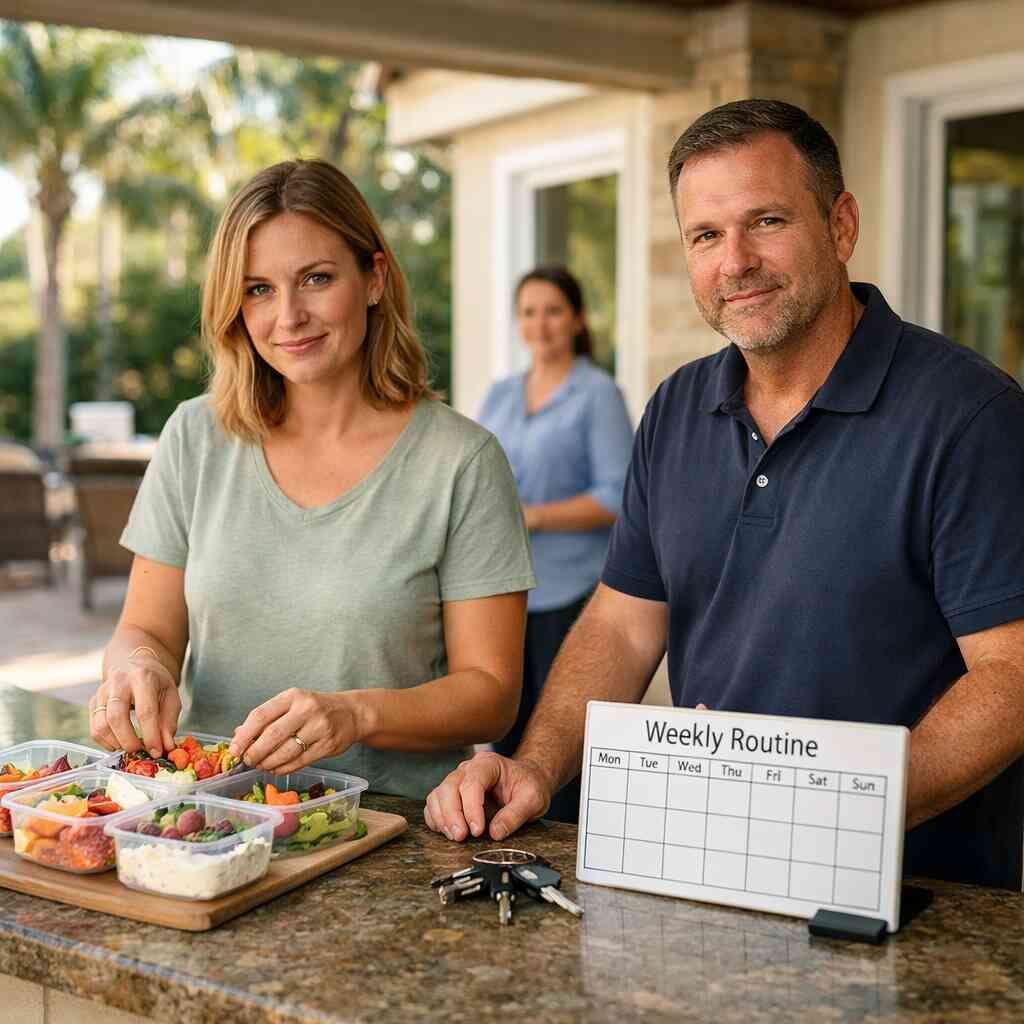
Independent living skills often include budgeting, medication routines, transportation plans, and basic home care. Those sound simple until you have to do them while managing cravings or anxiety. That is why recovery support services and sober living resources near Delray Beach can make such a difference. They turn abstract hope into a workable plan.
Vocational support, employment readiness, and rebuilding trust at work
Work can become a stabilizer when it is handled carefully. It can also become pressure if you return too fast. RECO Immersive understands that employment readiness is part of long-term recovery skills. Vocational support may include scheduling help, resume review, communication practice, or planning for a gradual return to work.
Trust at work rebuilds through reliability. Showing up. Following through. Communicating early when something changes. That is how professional’s program support, young adult rehab planning, and even LGBTQ+ affirmative treatment can fit into real-life recovery. If your job was strained before treatment, you do not need perfection now. You need steadiness, and steadiness can be learned.
Why sober living resources and aftercare planning matter as much as the main program
Main treatment matters. So does what happens after. Aftercare planning for long-term recovery keeps recovery from ending at discharge paperwork. It connects the next phase to actual supports, such as therapy, meetings, medication follow-up, and sober living resources. This is where Florida recovery resources become more than a search term.
The best plans are layered. That may mean 12-step alternatives, SMART Recovery, private therapy, medication-assisted treatment, or alumni support. It may also mean ongoing case management. People who do best after treatment usually do not rely on one thing. They build a network. That is how relapse prevention becomes real.
How alumni program support and peer connection strengthen long-term recovery
Peer connection is powerful because it normalizes the work. If you hear someone else describe the same fear, the same shame, or the same uneven progress, your own experience becomes less isolating. The alumni program and peer connection in recovery helps keep that connection alive after formal care ends. It gives recovery a social structure.
That matters in Delray Beach recovery community settings, where support can continue through groups, check-ins, and sober things to do in Delray. One alumni member described the relief of having people who understood why a regular morning text mattered. That may sound small. It is not small. Small, reliable contact often prevents big relapse decisions.
What to ask before choosing a Delray Beach rehab that can support life after treatment
How to compare PHP vs IOP and decide what level of care fits the moment
If you are comparing programs, start with function, not labels. Ask how much structure you need right now and how much independence you can manage safely. PHP vs IOP in Delray Beach for outpatient treatment is not a contest. It is a fit question.
PHP usually offers more clinical hours and more support. IOP gives more room to practice life while staying connected to care. If mornings feel unstable, PHP may fit better. If your home environment is safer and you need to rebuild routines, IOP may be enough. The goal is relapse prevention, not pride.
What to look for in dual diagnosis treatment and medication-assisted treatment options
Dual diagnosis treatment matters when substance use and mental health conditions overlap. That includes depression and addiction, anxiety, bipolar disorder, PTSD, and other co-occurring disorders. If a program treats only substance use, important symptoms may remain untreated. Dual diagnosis treatment for co-occurring mental health conditions should include licensed clinicians, evidence-based treatment, and clear coordination.
Medication-assisted treatment can also be important. FDA-approved options such as Suboxone maintenance or Vivitrol injections may support opioid rehab Delray or alcohol recovery when clinically appropriate. Medication-assisted treatment options and Vivitrol support should always be matched to your needs, not used as a one-size-fits-all answer. Good care explains the plan in plain language.
How insurance verification, private rehab, and out-of-network benefits change the path forward
Financial stress can block care before treatment even starts. That is why insurance verification is not a side detail. It is part of access. RECO Immersive can help families sort through Aetna, Cigna, Blue Cross Blue Shield, out-of-network benefits, and self-pay options when applicable. Insurance verification and admissions support can reduce confusion early.
This part feels stressful for many people. That is normal. Private rehab can offer more flexibility, but the right fit depends on coverage, clinical need, and level of care. If you are searching for Florida rehabs that take insurance, ask direct questions. Clear answers matter more than polished language.
The signs a program is built for relapse prevention instead of just short-term stabilization
Some programs calm the crisis without building the future. You want more than short-term stabilization. Look for signs that the program is built for relapse prevention and long-term recovery skills. Those signs include structured aftercare, family work, coping practice, and follow-up planning.
A useful checklist:
- Clear discharge planning from the start
- Ongoing case management
- Real attention to mental health IOP and co-occurring disorders
- Practical life skills training
- Support for sober living community placement
- Alumni follow-up
- Evidence-based treatment such as CBT, DBT, and EMDR trauma therapy
If a program does not talk about what happens after discharge, keep asking. That question protects your future.
When it makes sense to contact RECO Immersive for intake and next-step planning
If you are in Delray Beach or nearby South Florida and you need help sorting treatment level, mental health care, or sober living resources, it may be time to talk with RECO Immersive. The team can review the intake process, discuss residential treatment facility options, and help match care to your situation. That matters whether you need trauma therapy South Florida, fentanyl treatment, cocaine detox Florida, or support after an alcohol relapse.
You do not have to have every answer before you call. You only need enough information to start a conversation. If you are ready, reach out, ask about the RECO Intensive location at 140 NE 4th Avenue, Delray Beach, FL 33483, and request a practical next-step plan. One call can make the path clearer.
Frequently Asked Questions
Question: How does How RECO Immersive Builds Life Skills for Sober Living help people transition from Delray Beach rehab to real-world independence?
Answer: RECO Immersive focuses on the practical side of recovery so the shift from treatment to daily life feels less abrupt. That includes life skills training, healthy routines in sobriety, case management, coping skills for recovery, and aftercare planning that fits the realities of work, family, transportation, and home responsibilities. Instead of only emphasizing short-term stabilization, the program helps people practice the habits that support long-term recovery skills, such as communication skills for recovery, boundary setting, self-care in sobriety, and employment readiness. This kind of support can be especially important after South Florida detox, inpatient rehab Palm Beach County care, or a residential treatment facility stay, when structure starts to loosen and confidence needs to be rebuilt.
Question: What therapies does RECO Immersive use to support dual diagnosis treatment and emotional regulation in recovery?
Answer: RECO Immersive uses evidence-based treatment approaches that can support both substance use disorder recovery and co-occurring disorders. That may include cognitive behavioral therapy, dialectical behavior therapy, EMDR trauma therapy, family therapy, group therapy activities, mindfulness meditation, yoga therapy, and art therapy. These services can be especially helpful for people dealing with depression and addiction, anxiety treatment in recovery, bipolar disorder therapy, PTSD treatment, or trauma therapy South Florida needs. When mental health IOP or intensive outpatient care is paired with these therapies, clients can practice emotional regulation and stress management in recovery while staying connected to licensed clinicians and a structured treatment plan.
Question: How do sober living resources, aftercare planning, and vocational support fit into recovery at RECO Immersive?
Answer: RECO Immersive understands that recovery does not end at discharge. Strong aftercare planning helps connect people to sober living resources, recovery support services, alumni program support, 12-step alternatives, SMART Recovery, and other Florida recovery resources. For many clients, vocational support is just as important as clinical care because employment readiness, budgeting, and independent living skills can reduce stress and strengthen stability. The team can help align follow-up care with the person’s needs, whether that means outpatient program Delray Beach support, mental health IOP, or step-down planning after partial hospitalization program care. This approach helps turn treatment gains into daily habits that support relapse prevention.
Question: Does RECO Immersive offer support for medication-assisted treatment, fentanyl treatment, opioid rehab Delray, and prescription pill addiction?
Answer: RECO Immersive can help individuals and families explore treatment options that may include medication-assisted treatment when clinically appropriate. That may involve Suboxone maintenance or Vivitrol injections as part of a broader recovery plan for opioid rehab Delray, fentanyl treatment, heroin recovery, or prescription pill addiction. Because every person’s needs are different, the best plan is based on an intake process that looks at substance use history, mental health symptoms, and safety considerations. This is also where dual diagnosis treatment matters, since substance use and mental health concerns often overlap. RECO Immersive’s approach is designed to be personalized, guided, and grounded in evidence-based treatment rather than a one-size-fits-all model.
Question: What should families know when choosing a Delray Beach rehab and comparing PHP vs IOP, insurance verification, and private rehab options?
Answer: Families should look for a program that offers more than crisis stabilization. A strong Delray Beach rehab should provide clear guidance on what is PHP vs IOP, transparent insurance verification, support for Aetna, Cigna, Blue Cross Blue Shield, out-of-network benefits, and self-pay options, plus a discharge plan that includes aftercare support. RECO Immersive can help families understand whether a partial hospitalization program, intensive outpatient, or residential treatment facility level of care is the better fit based on current stability, home environment, and recovery goals. It is also important to ask about signs of addiction, relapse prevention planning, family weekend, family therapy, and whether the program supports young adult rehab, professional’s program needs, LGBTQ+ affirmative treatment, veterans addiction help, women’s rehab, or men’s recovery. For many people, the right choice is the one that offers structure, compassion, and a clear bridge into long-term recovery.
Question: Is RECO Immersive a good option for people searching for drug rehab near me, alcoholism treatment center care, or support in South Florida recovery?
Answer: RECO Immersive may be a strong option for people looking for compassionate, structured care in the Delray Beach recovery community and the broader South Florida area. The program is built for people who need support with alcohol use, drug rehab near me searches, cocaine detox Florida needs, benzodiazepine withdrawal, opioid rehab Delray, and other substance-related concerns alongside mental health care. Its model emphasizes life skills training, holistic recovery, beachside recovery environment benefits, and ongoing support through aftercare planning and alumni connection. For individuals and families seeking Florida addiction treatment, Florida rehabs that take insurance, or a coordinated plan that addresses co-occurring disorders, RECO Immersive offers a thoughtful path forward. Anyone considering care can also ask about the RECO Intensive location at 140 NE 4th Avenue, Delray Beach, FL 33483 and discuss the intake process to see what level of support fits best.