Background
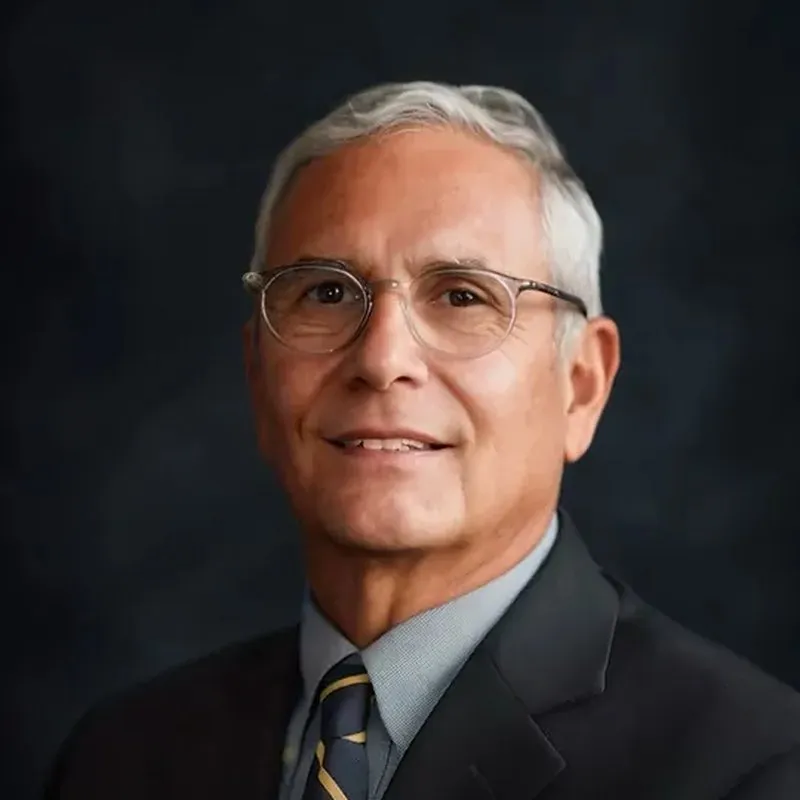
Dr. Anthony Campo brings over 40 years of psychiatric experience to RECO Immersive, where his role focuses on the medication management and psychiatric oversight that residential mental health clients require. His career spans hospital-based psychiatric emergency work, multiple Medical Director appointments at nationally recognized programs, and decades of complex co-occurring case management.
For RECO Immersive specifically, that depth matters. Residential mental health clients often arrive with treatment-resistant presentations — multiple failed medication trials, complex psychiatric histories, or recent hospitalizations. Dr. Campo's experience working at the highest acuity levels gives him the clinical confidence to make precise psychiatric calls when other providers might hedge.
Approach to Care
Dr. Campo's approach at RECO Immersive is methodical and unhurried. Residential treatment offers a rare opportunity in modern psychiatry: the time and observational setting to actually see how a patient responds to medication changes day by day. He uses that opportunity deliberately.
His treatment philosophy is patient-centered and evidence-based, with strong emphasis on stepped care. He doesn't reach for the most aggressive intervention by default; he matches the intervention to what the clinical picture actually shows. The result is residential mental health treatment with psychiatric oversight that reflects 40 years of careful pattern recognition.
Education & Credentials
Dr. Campo earned his medical degree at St. George's University School of Medicine and completed comprehensive training in psychiatry and neurology. He is board-certified in both Psychiatry and Addiction Medicine — a dual certification highly relevant for the co-occurring presentations common in residential mental health care.
What to Expect
Clients at RECO Immersive can expect Dr. Campo to take their psychiatric history seriously, including past medication trials and what they did or didn't accomplish. His evaluations are thorough, his medication decisions are conservative when conservatism serves the patient, and his observation of medication response over the residential stay is what allows him to dial in treatment that actually works.
He will not rush you through medication changes, and he won't hesitate to make a definitive call when the clinical picture warrants it.