What Makes RECO Immersive a Private Rehab in Delray Beach
If you are searching at night, worried about detox, judgment, or insurance, that fear makes sense. Private care should feel calmer, more contained, and more personal from the start. In Delray Beach, the difference often shows up before the first session begins. You can feel it in the pacing, the intake questions, and the way […]

If you are searching at night, worried about detox, judgment, or insurance, that fear makes sense. Private care should feel calmer, more contained, and more personal from the start. In Delray Beach, the difference often shows up before the first session begins. You can feel it in the pacing, the intake questions, and the way a team handles your privacy. That matters when you are already carrying enough.
Why a private rehab in Delray Beach feels different the moment you walk in
The quiet signals that tell you a center is built for privacy, not volume
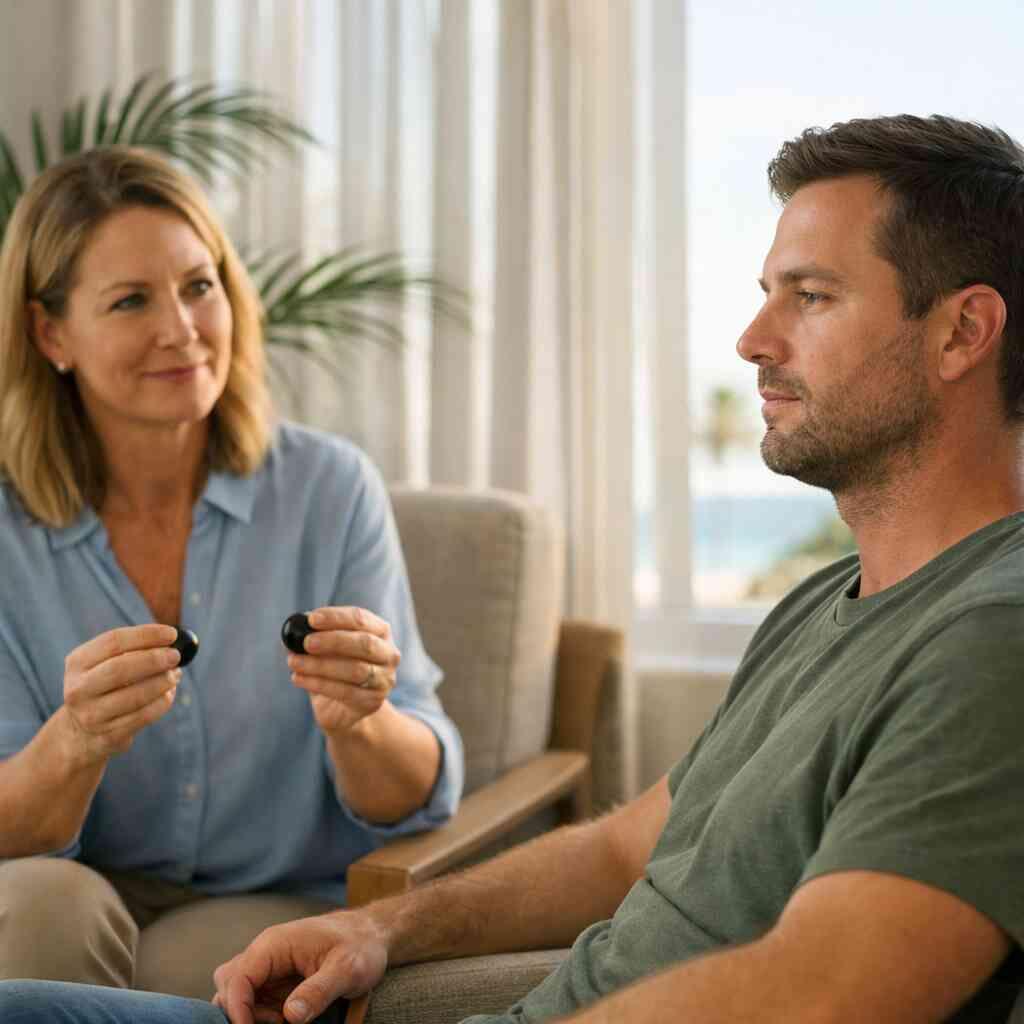
A private rehab in Delray Beach usually feels different because it is designed for steadier attention, not high turnover. You notice smaller details quickly. Staff speak with you, not at you. The lobby feels calm. The schedule feels organized instead of chaotic. That can ease the nervous system in a way loud, crowded settings rarely do.
Here is the part most families miss: privacy is not just about hiding a name. It is about reducing pressure so you can focus. A thoughtful private rehab in Delray Beach should feel different when the environment supports honesty. That matters when signs of addiction include shame, confusion, or years of trying to manage things alone.
How a beachside recovery setting can lower stress without promising an easy fix
A coastal setting does not heal addiction by itself. Still, a quieter environment can help lower constant stress. That can make it easier to sleep, eat, and stay present in groups. For some people, a view of palm trees or a short drive from the Intracoastal changes the emotional tone of treatment. It feels less clinical and more human.
One client from Boca Raton described walking into treatment after months of panic and poor sleep. The setting did not solve the problem, but the calm helped him stay long enough to start working. That is the honest truth about beachside recovery. It can reduce noise around the problem, which gives therapy room to do its job. If you want a discreet beachside recovery setting in Delray Beach, that sense of steadiness matters.
Why families looking for Delray Beach rehab often want more structure and less exposure
Families usually call because they want clarity. They want less guessing. They want a plan that explains how long detox may last, what happens after withdrawal, and what support comes next. A good Delray Beach rehab should answer those questions plainly. It should not make you chase information.
When people call us, the biggest concern is usually exposure. They do not want a loved one left to improvise. They want a structured day, clear boundaries, and a team that understands family stress. That is especially true when the search starts with “drug rehab near me” or “alcoholism treatment center,” because the options can blur together fast.
What makes the RECO Immersive location at 140 NE 4th Avenue Delray Beach FL 33483 feel discreet yet connected to South Florida recovery
The private rehab location on 140 NE 4th Avenue in Delray Beach, FL 33483 sits in a real community, not a remote bubble. That matters. You are close to South Florida recovery resources, but still able to keep the process discreet. The location also places treatment near the rhythm of Delray Beach, from Atlantic Avenue to calmer neighborhood streets. That balance can help people feel connected without feeling exposed.
RECO Immersive’s setting also fits people who want treatment that feels private yet grounded. For someone considering Florida addiction treatment, that distinction is practical. It means you can look at care, support, and continuity in one place. It also means the recovery plan can stay tied to your real life in Palm Beach County and beyond.
What patients really get when the program is designed around the whole diagnosis
How dual diagnosis treatment changes care for depression and addiction, PTSD treatment, and anxiety treatment
Many people do not have only one problem. They have co-occurring disorders. Depression and addiction often feed each other. So do anxiety treatment needs, PTSD treatment, and bipolar disorder therapy concerns. When a program ignores the mental health side, relapse risk goes up. NIDA and SAMHSA both support integrated care for dual diagnosis treatment.
A strong program treats the whole picture. That can include assessment for trauma, sleep issues, mood swings, and substance use patterns. It may also address prescription pill addiction, alcoholism, cocaine detox Florida concerns, or opioid rehab Delray needs. If you are dealing with trauma therapy South Florida searches at the same time, integrated care becomes even more important. People heal faster when the plan fits the real diagnosis.
When residential treatment facility support matters more than a standard outpatient program Delray Beach
Sometimes you need more than weekly support. A residential treatment facility can help when withdrawal, cravings, unsafe routines, or unstable housing make outpatient care too thin. That is especially true early on. If your day is already filled with triggers, a standard outpatient program Delray Beach may not be enough at first.
For people with severe alcohol use or fentanyl treatment needs, structure can be the difference between drifting and stabilizing. A residential setting adds supervision, routine, and clinical monitoring. It can also create space for skill-building before you return home. That kind of support can matter more than convenience in the early weeks.
Why PHP vs IOP is not a small detail but a turning point in the level of care
The question “what is PHP vs IOP” comes up constantly. It matters because the difference is not cosmetic. A partial hospitalization program offers more hours and more support. An intensive outpatient level allows more flexibility while still giving serious clinical structure. Choosing the wrong level can leave you under-supported or overwhelmed.
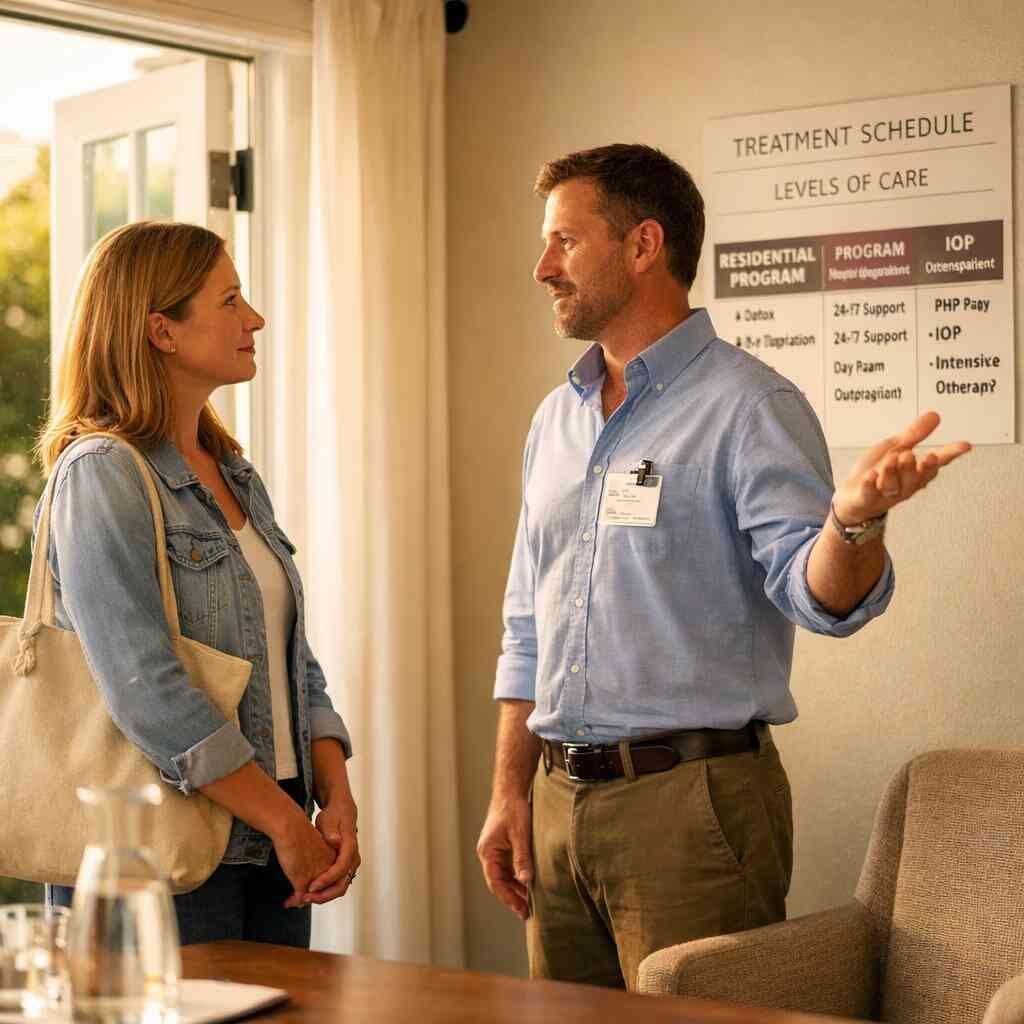
Level of careTypical fitWhy it mattersPartial hospitalization programHigher support needMore structure, more clinical contactIntensive outpatientStable enough for less daily careMore flexibility for work or family needsResidential treatment facilityHighest early support needBest when home is too triggeringFor many people, the right answer depends on safety, not preference. A careful assessment should guide the choice. If you want a deeper comparison, look at PHP versus IOP in Delray Beach recovery. That decision can shape how well treatment holds.
How evidence-based treatment can include CBT, DBT, EMDR trauma therapy, and medication management without feeling one size fits all
Evidence-based treatment means the plan uses methods supported by research. It does not mean a generic template. Cognitive behavioral therapy helps people notice the link between thoughts, feelings, and actions. Dialectical behavior therapy adds skills for emotion regulation, distress tolerance, and better relationships. EMDR trauma therapy can help some people process painful memories without staying stuck in them.
Medication management can also matter. That might include support for depression, anxiety, or bipolar disorder therapy needs. The right plan may combine therapy, groups, and careful medication review. You should expect flexibility, not a cookie-cutter schedule. If you are comparing evidence-based therapy for trauma, depression, and anxiety, ask how the team adjusts care over time.
Where medication-assisted treatment fits for opioid rehab Delray, fentanyl treatment, and heroin recovery
Medication-assisted treatment can be essential for opioid recovery. It can reduce cravings and help people stay engaged in care. FDA-approved options may include Vivitrol injections or Suboxone maintenance, depending on the case and clinical judgment. That can be especially important for fentanyl treatment, heroin recovery, and prescription pill addiction. It is not a shortcut. It is a support tool.
One man from Palm Beach County told his family he kept relapsing because withdrawal felt unbearable. Once his team addressed both symptoms and triggers, he could finally stay in treatment long enough to think clearly. That kind of turn is common. If you are asking about medication-assisted treatment for opioid recovery in Delray, you are asking the right question.
The part most people miss about private care in Palm Beach County
What the intake process should uncover before treatment starts
A serious intake process should do more than ask basic history. It should identify substance use patterns, mental health symptoms, medical risks, family stress, and safety concerns. It should also ask about benzodiazepine withdrawal, prior detox attempts, trauma, and whether you need South Florida detox before anything else. This is where honest answers matter most.
You should also expect practical questions. Do you need family therapy? Are you working? Have you tried SMART Recovery or 12-step alternatives before? The best Delray Beach rehab intake process and admissions checklist should feel thorough, not rushed. That is how treatment gets matched to the person, not the label.
How insurance verification works with Aetna, Cigna, Blue Cross Blue Shield, out-of-network benefits, and self-pay options
Insurance questions often stop people cold. That is normal. Good admissions support should review benefits for Aetna, Cigna, Blue Cross Blue Shield, and out-of-network benefits when relevant. It should also explain self-pay options clearly. No one benefits from vague billing language. 
If you are comparing Florida rehabs that take insurance, ask what is verified, what is estimated, and what still needs review. The insurance verification for Aetna, Cigna, and Blue Cross Blue Shield process should be straightforward and documented. That helps you make a decision without guessing. It also reduces stress before admission.
Why licensed clinicians and Joint Commission accreditation matter when choosing a private rehab
You deserve care from licensed clinicians. You also deserve a facility that takes quality seriously. Joint Commission accreditation is one signal that a center follows recognized safety and care standards. It does not answer every question, but it matters. It shows a commitment to review and accountability.
Ask direct questions before you enroll. Who evaluates the treatment plan? Who manages medication? How often does the team review progress? If a center cannot answer clearly, keep looking. Good care should feel clear, not mysterious.
How South Florida detox and inpatient rehab Palm Beach County programs can differ from a basic drug rehab near me search
A basic search for “drug rehab near me” can hide important differences. Some programs offer detox only. Others provide inpatient rehab Palm Beach County services with stronger monitoring. South Florida detox may also need medical oversight, especially for alcohol, opioids, or benzodiazepine withdrawal. That is not the same as a standard counseling office.
The question is not just proximity. It is level of care. A strong program should explain how long detox may last, what symptoms to expect, and when medical help is needed. If your search has expanded to Fort Lauderdale detox, West Palm Beach mental health, or Miami addiction help, compare structure as closely as location. The right level matters more than the nearest zip code.
Why family therapy, case management, and aftercare planning shape long-term recovery more than a short stay ever could
Treatment does not end when discharge papers are signed. It continues through aftercare planning, case management, and relapse prevention. Family therapy helps relatives stop reacting out of fear and start supporting real change. Case management can connect people to housing, therapy, job needs, or nutritional counseling. Those supports make sobriety more durable.
The better question is not “How fast can I leave?” It is “What happens after I leave?” That is where long-term recovery gets built. If a program does not prepare you for sober living resources, coping skills, and follow-up care, it leaves too much to chance.
When the right next move is support, not guesswork
How to judge whether RECO Intensive fits a young adult rehab, professional’s program, LGBTQ affirmative treatment, veterans addiction help, or gender-specific treatment need
Different people need different settings. A young adult rehab plan may need more coaching around independence, peer pressure, and life skills training. A professional’s program may need scheduling that works with work demands. LGBTQ affirmative treatment should feel respectful and clinically informed. Veterans addiction help may need trauma-aware care, especially when service stress intersects with substance use.
Gender-specific treatment can also help some patients feel safer speaking honestly. Women’s rehab may focus on trauma, family roles, or safety planning. Men’s recovery may need a different approach to emotion, shame, or help-seeking. The point is fit. If you are exploring how to choose a private rehab in Palm Beach County, ask how the program adapts to identity and life stage.
What sober living resources, alumni program, and relapse prevention look like after discharge
Good programs plan for the week after discharge, not just the day before. Sober living resources can give structure when home feels shaky. An alumni program can keep you connected to people who understand the work of recovery. Relapse prevention should name triggers, warning signs, and a real response plan. That plan should be written, simple, and practical.
A former patient once said the alumni group mattered because it made relapse feel discussable, not shameful. That is the point. Recovery holds better when people stay connected. If you want a model for aftercare planning and relapse prevention for long-term recovery, ask how follow-up support is built.
How holistic recovery can include yoga therapy, art therapy, mindfulness meditation, and group therapy activities without replacing clinical care
Holistic recovery can support healing when it sits beside therapy, not above it. Yoga therapy may help regulate stress. Art therapy can make hard feelings easier to express. Mindfulness meditation can slow the reflex to act on cravings. Group therapy activities can reduce isolation and improve honesty. These tools help the body and mind settle.
They are not replacements for clinical care. They work best with evidence-based treatment, medication support when needed, and trauma-informed therapy. In the Delray Beach recovery community, people often respond well to a mix of structure and restorative practices. The holistic recovery activities in Delray Beach near the coast should support treatment, not distract from it.
Why asking about outpatient program Delray Beach, mental health IOP, and continuing support is the smartest move for South Florida recovery
Many people feel ready to leave inpatient care but still need support. That is where an outpatient program Delray Beach can help. Mental health IOP care can keep therapy active while allowing more normal life. It can also support co-occurring disorders, medication follow-up, and family work. That continuity matters.
Ask how the program handles step-down care. Ask what happens after PHP. Ask how often people meet, and what kinds of groups are included. If a center can explain levels of care for South Florida addiction treatment clearly, that is a good sign. It means the plan is built for real life.
What to ask before choosing between private rehab in Delray Beach and another Palm Beach County treatment center
Before you decide, ask a few direct questions:
- Does the program treat dual diagnosis and co-occurring disorders together?
- Is detox medically monitored when needed?
- How does the team handle insurance verification and out-of-network benefits?
- What does family involvement look like?
- What support continues after discharge?
- Does the program offer trauma therapy South Florida patients can trust?
Those questions cut through marketing fast. They also protect your time. If you are comparing a private rehab in Delray Beach with another Palm Beach County treatment center, choose the one that answers clearly and treats your concerns with respect. For many families, that means looking closely at RECO Intensive reviews and then calling for verification, not assumptions. Start with one call, ask the hard questions, and keep the conversation grounded in what you actually need.
RECO Immersive Mental Health Rehab isn’t just a treatment center; it’s a sanctuary. The serene environment, nestled in nature, provides a calming backdrop for healing. What truly stands out is the dedication of the staff.. from therapists to support personnel especially Courtney and Jayden, everyone is genuinely committed to each client’s well-being, creating a supportive and nurturing atmosphere that makes recovery feel attainable and hopeful. Truly blessed to have found this program…”– Bryanna Y., a 5 star review from our business on Google Business Reviews
Frequently Asked Questions
Question: What makes RECO Immersive a private rehab in Delray Beach different from a larger, more crowded Delray Beach rehab?
Answer: RECO Immersive is designed to feel calm, discreet, and personal from the moment you arrive at our RECO Intensive location at 140 NE 4th Avenue Delray Beach FL 33483. For many people searching for a private rehab in Delray Beach, the biggest need is not just treatment, but privacy, structure, and space to breathe. A smaller, more intentional setting can help reduce overwhelm during a vulnerable time, especially when you are facing signs of addiction, anxiety treatment needs, or depression and addiction at the same time. Our approach focuses on individualized support, licensed clinicians, and evidence-based treatment that fits the person rather than forcing everyone into the same experience. That includes careful intake process planning, clear communication, and a setting that supports focus without feeling cold or clinical.
Question: How does RECO Immersive support dual diagnosis treatment for co-occurring disorders like PTSD treatment, bipolar disorder therapy, and anxiety treatment?
Answer: RECO Immersive understands that many people need care for more than one issue at once. Dual diagnosis treatment is essential when substance use and mental health symptoms are connected, because treating one without the other can leave the core problem untouched. Our care model can support co-occurring disorders such as PTSD treatment, bipolar disorder therapy, anxiety treatment, and depression and addiction concerns through integrated, evidence-based treatment. That may include cognitive behavioral therapy, dialectical behavior therapy, EMDR trauma therapy, group therapy activities, and medication management when clinically appropriate. The goal is to help people understand what is driving the cycle, build coping skills, and move toward long-term recovery with a clearer plan. For those searching for trauma therapy South Florida options, this kind of combined support can make treatment feel more complete and more sustainable.
Question: What is PHP vs IOP, and how do I know whether a partial hospitalization program or intensive outpatient level is right for me?
Answer: What is PHP vs IOP is one of the most important questions people ask when comparing levels of care. A partial hospitalization program usually offers more intensive daily structure and is often a better fit when someone needs significant support but does not require full residential treatment facility care. Intensive outpatient is typically more flexible and may work well for people who are stable enough to manage parts of daily life while still needing regular therapy, accountability, and clinical guidance. At RECO Immersive, the right level of care is chosen based on safety, symptoms, substance use history, and overall support needs rather than convenience alone. If you are weighing inpatient rehab Palm Beach County options, outpatient program Delray Beach care, or mental health IOP, a thoughtful assessment can help determine the best fit. The key is matching the program to the reality of your situation so you can stay engaged without becoming overwhelmed or under-supported.
Question: Does RECO Immersive help with South Florida detox, fentanyl treatment, heroin recovery, and prescription pill addiction?
Answer: Yes, RECO Immersive can help connect people with care that addresses South Florida detox needs and substance-specific concerns such as fentanyl treatment, heroin recovery, prescription pill addiction, cocaine detox Florida challenges, and benzodiazepine withdrawal. Detox is not the same for everyone, which is why the intake process should identify substance type, use history, medical risk, and whether medically monitored support is needed before moving into the next phase of treatment. Depending on the situation, medication-assisted treatment may also be part of care, including options such as Vivitrol injections or Suboxone maintenance when clinically appropriate. This matters because withdrawal and cravings can make it hard to stay engaged in therapy long enough for healing to take hold. For people looking for an alcoholism treatment center or drug rehab near me, a program that addresses the physical and emotional sides of recovery can be a much better foundation for lasting progress.
Question: How does RECO Immersive handle insurance verification, Aetna, Cigna, Blue Cross Blue Shield, out-of-network benefits, and self-pay options?
Answer: Insurance verification should be clear, direct, and low-stress, especially when you are already dealing with the pressure of choosing Florida addiction treatment. RECO Immersive can help walk families through insurance verification for plans such as Aetna, Cigna, and Blue Cross Blue Shield, while also explaining out-of-network benefits and self-pay options when applicable. The goal is to reduce confusion and help you understand what is known, what still needs review, and what questions to ask next. This matters because people often delay care when billing language feels confusing or incomplete. Whether you are comparing Florida rehabs that take insurance or trying to understand whether a private rehab in Delray Beach fits your budget and coverage, transparent admissions support can make the decision easier. A thoughtful financial conversation is part of compassionate care, not an afterthought.
Question: What kind of aftercare planning, sober living resources, and relapse prevention support does RECO Immersive offer after discharge from treatment?
Answer: Strong treatment does not end on the discharge date. RECO Immersive emphasizes aftercare planning because long-term recovery depends on what happens after formal treatment ends. That may include sober living resources, relapse prevention planning, case management, life skills training, vocational support, nutritional counseling, family therapy, and connection to ongoing support like 12-step alternatives or SMART Recovery when appropriate. We also recognize that an alumni program can help people stay connected to the Delray Beach recovery community and continue building support after treatment. The purpose is to help each person leave with a practical plan for coping skills, follow-up care, and continued accountability. For many families, that continuity is what turns a short stay into a real foundation for long-term recovery.