How to Compare Outpatient Program Options in South Florida
If you are reading this because the first quote felt too low to trust, take a breath. That feeling is common. Families in Delray Beach ask this every week, especially when they are comparing an outpatient program in Delray Beach with a higher-level option across South Florida. The real question is not, “What costs less?” […]


If you are reading this because the first quote felt too low to trust, take a breath. That feeling is common. Families in Delray Beach ask this every week, especially when they are comparing an outpatient program in Delray Beach with a higher-level option across South Florida. The real question is not, “What costs less?” It is, “What helps prevent a crisis, a relapse, or a rushed readmission later?”
Why the cheapest outpatient quote in South Florida can become the most expensive choice
A low monthly rate can hide missing services, thin staffing, or weak follow-up. That is how a bargain turns expensive. You may pay later through missed work, another detox, or a return to use after discharge. In Delray Beach, where people often want calm, privacy, and quick answers, that risk can be easy to miss.
What families in Delray Beach should ask before they trust a low monthly rate
Ask what is included on day one. Ask how many therapy hours you actually get. Ask if the program offers insurance verification for Florida rehabs that take insurance before you commit. A quote means little if it leaves out drug screens, psychiatric visits, or discharge support.
One family told us they almost chose the cheapest plan because the monthly fee looked manageable. Then they asked about case management, family sessions, and step-down care. The center could not give clear answers. That silence said more than the brochure ever could. Cheap care often becomes costly when it fails to hold the line.
How outpatient program Delray Beach options differ when mental health IOP and addiction care are both needed
A strong mental health IOP in South Florida should treat symptoms and triggers together. If panic, insomnia, depression, or trauma sit under the substance use, addiction-only care can miss the point. That is where dual diagnosis treatment matters. Co-occurring disorders need a coordinated plan, not separate guesses.
The question is simple. Does the program treat the whole clinical picture? If you need help for anxiety treatment, bipolar disorder therapy, PTSD treatment, or depression and addiction, the team should say how those conditions affect one another. Without that, the plan can look busy while remaining thin. Good outpatient care addresses both stability and behavior.
When beachside recovery looks calm on the outside but the care plan is too thin underneath
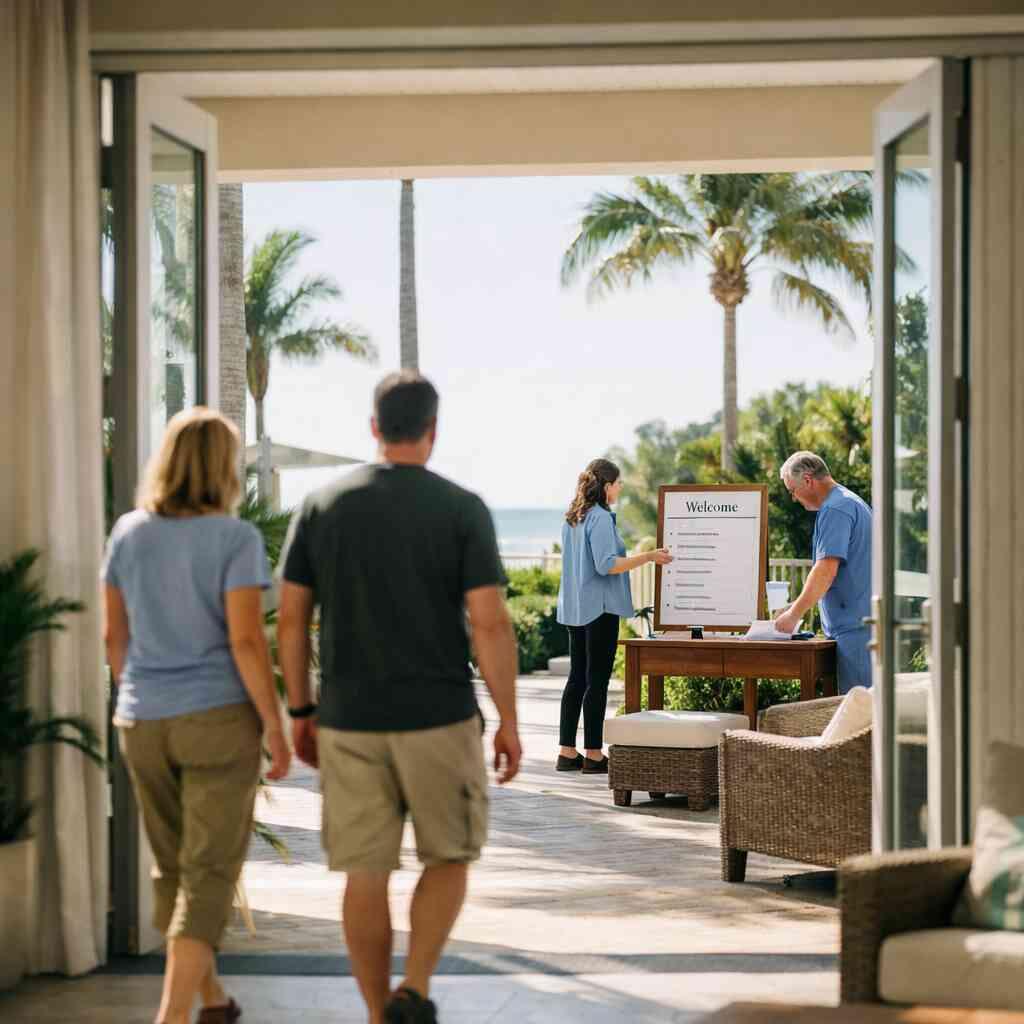
South Florida has a soothing setting. Palm trees, ocean air, and a quiet drive through Delray Beach can feel reassuring. Still, beachside recovery is not the same as strong care. Pretty space cannot replace licensed clinicians, a clear schedule, or evidence-based treatment.
Here is the part most people miss. A polished lobby can mask weak clinical depth. In the programs we’ve reviewed this year, the ones that kept people engaged offered structure, not just comfort. That meant group therapy activities, individual therapy, family therapy, and practical planning. Recovery needs rhythm. Calm surroundings help, but they do not do the work.
*”A Life-Changing Experience — RECO Truly Cares
First and foremost, I’m proud to say that I’ve been sober for 485 consecutive days — and I owe so much of that to RECO.
I attended two facilities during my treatment journey. The first helped me in early recovery, but it was RECO that truly bridged the gap between treatment and independent living. At RECO, I lived in a real home within a residential neighborhood — a safe, supportive environment that allowed me freedom and accountability. I could come and go as I pleased, within reason, but was held responsible through random UAs and the trust of the staff. It was the perfect balance between structure and independence.
What made RECO so impactful was how it prepared me for real life. I learned how to navigate everyday situations while maintaining sobriety, all with the continued support of incredible facilitators and meaningful education about my disease. When it came time to go home, I felt nervous, but I left with a strong foundation — an understanding of my addiction, the tools to manage it, and a renewed connection to fellowship and community.
My therapist, Dvora, was nothing short of a godsend. Her compassion, insight, and genuine investment in my recovery made all the difference. She didn’t just “do her job” — this is truly her calling — and the fact that we still stay in touch today speaks volumes about her dedication. RECO is lucky to have her and others like her who bring such heart to their work.
Beyond the therapy and structure, I also built lifelong friendships — both with peers and staff. Even months after completing the program, I was invited to join RECO’s annual camping trip, which reminded me that I’ll always have a place there. That sense of ongoing community is something truly special.
And I have to mention Brock, who has checked in on me several times just to see how I’m doing. That kind of follow-up is rare. My first treatment center, for example, hasn’t reached out once in the 14 months since I left. RECO genuinely cares about its alumni — not just while you’re there, but long after you leave.
You often hear stories about treatment centers in Florida that are just out to take your money — RECO is absolutely not one of them. They don’t just help you get sober; they give you the tools, support, and confidence to stay sober.
I am eternally grateful for RECO — for their guidance, their compassion, and their unwavering belief in me. They didn’t just change my life — they helped me reclaim it.”- Meghan M., a 5 star review from our business on Google Business Reviews
Why insurance verification and out-of-network benefits matter before any intake decision
Insurance questions feel awkward, but they are essential. You should know what your plan covers before intake. Ask about deductibles, copays, and out-of-network benefits. If the center is a private rehab, you may still have meaningful support through your policy.
A good admissions team will explain the difference between Florida rehabs that take insurance and self-pay options without pressure. They should also help you compare the intake process and admissions checklist before any arrival. If the answers are vague, that is a warning sign. Transparency now prevents stress later. In South Florida, where treatment choices can feel crowded, clarity is a clinical asset.
The comparison map that separates real care from polished marketing
Marketing can blur the real differences between programs. That is why you need a comparison map, not a sales pitch. Start with level of care, then move to therapies, staffing, and aftercare. Once you compare those pieces, the right fit becomes easier to see.
How to compare partial hospitalization program PHP and intensive outpatient without getting lost in labels
A partial hospitalization program usually offers more weekly structure than intensive outpatient. PHP often fits people who need a higher level of support, but do not need 24-hour residential monitoring. IOP is lighter and usually works better when someone can stay safe and stable between sessions. If you want a plain answer to what is PHP vs IOP, it comes down to hours, supervision, and clinical intensity.
Level of careTypical fitMain focusPHPHigher support, less than residentialDaily stabilization, therapy, monitoringIOPStepped-down or moderate needsSkill building, relapse prevention, flexibilityFor a clear comparison, review partial hospitalization program vs IOP in Palm Beach County. The labels matter less than the actual schedule. Ask how many hours per week you will attend. Ask what happens if symptoms spike. Real programs answer directly.
What evidence-based treatment should look like when CBT, DBT, EMDR, and trauma therapy South Florida are all on the table
Evidence-based treatment means the methods have real research behind them. In outpatient care, that often includes cognitive behavioral therapy, dialectical behavior therapy, and EMDR trauma therapy. These approaches help you notice thoughts, regulate emotion, and process trauma without flooding. They are not trendy extras. They are core tools.
If a program claims evidence-based treatment with CBT, DBT, and EMDR, ask how each method is used. CBT can help with coping skills and thought patterns. DBT can help with distress tolerance and impulsive behavior. EMDR can help with trauma therapy South Florida patients often need after years of fear, grief, or violence. Good care makes these methods concrete, not decorative.
Why dual diagnosis treatment and co-occurring disorders should change the entire level of care conversation
Dual diagnosis treatment should change everything about the plan. If someone has both substance use and mental health concerns, one issue can feed the other. That is why NIDA and SAMHSA both support integrated care for co-occurring disorders. Treating one piece while ignoring the other often leads to frustration. 
A man in early recovery once told us he had been through three programs that focused only on alcohol. Each one missed the panic attacks that drove his drinking. Once a team addressed both, he could finally practice skills instead of just surviving the week. That is the difference. Dual diagnosis treatment for co-occurring disorders gives the brain a better chance to settle.
What licensed clinicians, Joint Commission accreditation, and DCF licensed status actually tell you
Licensure and accreditation are not marketing fluff. They tell you the program follows outside standards and basic safety expectations. If you see licensed clinicians, that means the program should have qualified professionals providing clinical care. Licensed clinicians and accreditation information should be easy to find. Joint Commission accreditation suggests the center has met recognized quality and safety benchmarks. DCF licensed status matters in Florida because it reflects state oversight for behavioral health programs. Still, do not stop there. Ask who runs groups, who handles medication questions, and who manages crisis planning. Credentials matter, but so does how the team uses them. ### How to weigh private rehab amenities against real clinical depth in South Florida recovery
Private rehab can feel inviting. Soft chairs, ocean colors, and a beachside recovery setting may lower stress. That matters. But comfort should support treatment, not replace it. A nice room cannot compensate for thin therapy or weak discharge planning.
Here is a useful test. Ask about staffing ratio, therapy mix, and how symptoms get tracked week to week. Ask about Florida addiction treatment near Delray Beach for alcohol, opioids, and stimulants like cocaine or fentanyl. If the answer focuses on amenities first, keep asking. Clinical depth should lead the conversation. The rest should support it.
The decision frame that helps you choose the right path and move forward with confidence
The best choice often becomes clear when you look past the sales language. You want a program that plans beyond admission day. That means intake, case management, family support, and aftercare all working together. In recovery, the handoff matters as much as the start.
How intake process details, case management, and aftercare planning reveal whether a program is built for long-term recovery
A solid intake process should ask about symptoms, medications, triggers, housing, and safety. It should not feel like a rushed form. It should feel like a clinical conversation. The intake process and admissions checklist should also include case management planning from the start.
If a program talks only about getting you in the door, ask what happens after the first week. Long-term recovery depends on aftercare planning, relapse prevention, and practical support. That may include life skills training, vocational support, nutritional counseling, and sober living resources. The structure does not need to be fancy. It needs to be steady.
What to look for in family therapy, alumni program, sober living resources, and relapse prevention support
Family therapy often changes the tone of recovery. It helps relatives stop guessing and start responding with consistency. A strong family weekend can teach boundaries, communication, and crisis response. If the program offers family therapy and aftercare planning for long-term recovery, ask how often families are included.
Also ask about alumni program support. Continued contact can matter after discharge, especially when the routine changes and triggers return. RECO Intensive alumni support should align with continuing care best practices, even when every person’s needs differ. Add sober living resources and relapse prevention support, and the path becomes more durable. That is how recovery gets protected in real life.
How medication-assisted treatment, Vivitrol injections, and Suboxone maintenance fit into alcohol and opioid care
Medication-assisted treatment can be part of a thoughtful plan. For opioid recovery, FDA-approved options like Suboxone maintenance and Vivitrol injections may help reduce cravings and stabilize early recovery. For alcohol use disorder, medication can also support abstinence when clinically appropriate. These are tools, not shortcuts.
Medication-assisted treatment for opioid recovery should be explained in plain language. Ask how the medication fits with therapy, group work, and follow-up. If someone is coming off heroin, fentanyl, prescription pill addiction, or benzodiazepine withdrawal, the medication plan must match the clinical risk. Good care blends medical support with coping skills. That combination often helps people stay engaged longer.
What makes a South Florida recovery community feel supportive from Delray Beach to Boca Raton and Palm Beach County
A real recovery community feels practical, not performative. It gives you sober things to do in Delray, peers who understand, and people who answer the phone. It also respects different needs, including young adult rehab, professional’s program options, LGBTQ+ affirmative treatment, veterans addiction help, and gender-specific treatment. Good communities make room for difference.
South Florida recovery communities can be active from Delray Beach to Boca Raton and across Palm Beach County treatment centers. That reach matters when you need transportation, flexible scheduling, or nearby support. The right program should also know Broward County rehab, Miami addiction help, Fort Lauderdale detox, and West Palm Beach mental health referrals when needed. A nearby recovery community resource can help you see what local support looks like in practice. Connection is not extra. It is part of treatment.
Which next questions to ask when comparing Florida rehabs that take insurance and programs near 140 NE 4th Avenue Delray Beach FL 33483
Before you decide, ask direct questions. You want answers that are clear enough to repeat to a family member. That is the easiest test of whether a program is trustworthy. If the center is near 140 NE 4th Avenue Delray Beach FL 33483, it should still earn your confidence through detail, not location alone.
Use this short checklist:
- Does the program treat depression and addiction together?
- Is the schedule PHP, IOP, or both?
- What therapies are used each week?
- How does the team handle trauma therapy South Florida patients often need?
- What does insurance verification show for my plan?
- Is aftercare planning included?
- What happens if symptoms worsen?
If you want to compare options with less stress, start with how to choose a rehab in Delray Beach. Then confirm whether the team can support alcoholism treatment center needs, opioid rehab Delray concerns, cocaine detox Florida questions, or more complex co-occurring disorders. You do not have to figure this out alone, and you do not have to solve every piece today. Start with one call, one insurance review, and one honest conversation.
FAQ
How long does detox last at a Delray Beach rehab?
Detox length depends on the substance, dose, health history, and withdrawal risk. Alcohol and opioid withdrawal can move quickly, while benzodiazepine withdrawal may need a slower taper. A real team will explain the likely range after assessment. If detox is needed, ask about medical monitoring, comfort care, and next-step planning into South Florida detox.
What is the difference between PHP and IOP?
PHP usually offers more weekly hours and more structure than IOP. IOP gives more flexibility for work, school, or family demands. The right level depends on safety, symptoms, and relapse risk. If you need frequent support, PHP may fit better. If you are stable enough for fewer hours, IOP may be enough.
Can outpatient treatment help with mental health even if addiction is not the main issue?
Yes. Many people enter care for depression, anxiety, PTSD, or bipolar disorder therapy needs, then discover substance use also plays a role. A good program screens for both. If the symptoms overlap, integrated care can reduce confusion and help you track what is improving.
Does family involvement matter in recovery?
Often, yes. Family therapy can improve communication, reduce blame, and support healthier boundaries. It can also help with relapse prevention and aftercare planning. Some programs include family weekend sessions, which can be especially useful when everyone needs the same language for support. Ask how family participation works before you enroll.
What should I ask about insurance before admission?
Ask whether the center is in-network or out-of-network, what your copay may be, and whether self-pay options exist. Ask if the team can verify benefits before intake. You should also ask about any separate fees for testing, psychiatry, or aftercare. Clear answers now prevent surprises later.
What if I need help for opioid use and trauma at the same time?
That is common. Opioid rehab Delray programs should be ready to address both substance use and trauma symptoms. Ask about medication-assisted treatment, trauma therapy, and whether the team uses EMDR, CBT, or DBT. Integrated care is usually stronger than treating each issue separately.
Is RECO Immersive close enough for people in Palm Beach County and nearby areas?
Yes. Many people in Delray Beach, Boca Raton, West Palm Beach, and the broader South Florida recovery community look for nearby care. The exact fit depends on your schedule, symptoms, and level of support. If you want to compare options near 140 NE 4th Avenue Delray Beach FL 33483, a brief benefits check and intake review can clarify the best path.