
How Medication Assisted Treatment Supports Opioid Rehab
If you are reading this because detox feels terrifying, take a breath. That fear makes sense. Opioid withdrawal can feel bigger than the idea of getting help, especially when pain, cravings, and shame show up at once. In many cases, the hardest part is not wanting recovery; it is believing your body can tolerate the […]

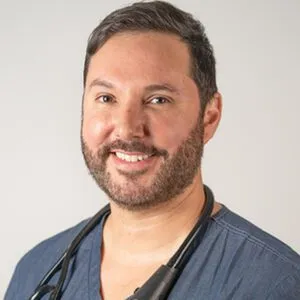
If you are reading this because detox feels terrifying, take a breath. That fear makes sense. Opioid withdrawal can feel bigger than the idea of getting help, especially when pain, cravings, and shame show up at once. In many cases, the hardest part is not wanting recovery; it is believing your body can tolerate the change.
When opioid withdrawal feels bigger than the fear of getting help
Why cravings, pain, and shame can make detox feel impossible
People often picture opioid rehab as a willpower problem. It is not. The body can develop dependence after repeated use, and then stopping can trigger nausea, sweating, anxiety, muscle aches, and crushing restlessness. Add guilt on top, and even a phone call can feel impossible.
We hear this from families across South Florida every week. A parent may say the person knows they need help, yet keeps delaying. A young adult may say they are “fine,” while using more to avoid withdrawal. That gap between insight and action is where shame grows fast.
One client from near Atlantic Avenue described it plainly: the fear was not treatment itself. It was the first night without pills. That fear is real, and it deserves a clinical response, not judgment. You may find that how long detox lasts in Florida matters less than knowing what the first day feels like.
What medically supervised detox changes in the first few days
Medically supervised detox changes the experience by making it safer and more tolerable. Instead of guessing through symptoms, you have monitoring, symptom relief, and medication oversight. That matters because opioid withdrawal can escalate quickly, especially with fentanyl treatment needs, heroin recovery concerns, or prescription pill addiction patterns.
In the first few days, the goal is not perfection. The goal is stabilization. Clinicians track sleep, hydration, blood pressure, cravings, and emotional distress. They also watch for co-occurring disorders, because depression and addiction often intensify each other during withdrawal.
Here is the part most families miss: detox is not treatment by itself. It clears space for treatment to work. For many people, especially those seeking South Florida detox support before rehab, the early medical phase is the bridge between chaos and a real plan.
Where South Florida detox support fits before opioid rehab begins
In Delray Beach and across Palm Beach County, the setting matters. A calm, structured environment can lower stress enough for the brain to engage. That is one reason people look for a Delray Beach rehab instead of trying to white-knuckle recovery at home.
South Florida detox is most useful when it connects directly to ongoing care. That might mean residential treatment, a partial hospitalization program, or an outpatient program in Delray Beach that residents can attend consistently. It may also mean planning around work, family, and transportation before discharge.
In the programs we see most often, people who delay this conversation lose time to short relapses. People who start with a clear intake process and medical support usually feel more grounded. Opioid detox timeline questions matter, but the bigger issue is continuity. If you want help choosing the right level, start by asking about our medical detox process.
What medication-assisted treatment actually does when willpower is not enough
How buprenorphine treatment eases withdrawal and lowers cravings
Medication-assisted treatment, or MAT, uses FDA-approved medication to reduce withdrawal and cravings. It does not replace recovery work. It makes recovery work possible. Buprenorphine treatment is common because it can ease symptoms without producing the same level of opioid effect as misuse does.
For someone with opioid use disorder treatment needs, buprenorphine can lower the panic that drives relapse. That includes patients with fentanyl exposure, prescription opioid detox needs, or long-term prescription pill addiction. It can also help people who need enough stability to sleep, eat, and show up for therapy.
A 2023 analysis in JAMA Network Open found that medication treatment is associated with better retention in care compared with no medication. That does not mean medication is the whole plan. It means MAT for opioid addiction often gives the person enough steadiness to keep building.
When Suboxone maintenance or Vivitrol injections make sense
Suboxone maintenance can make sense when a person needs daily structure and craving control. Suboxone combines buprenorphine with naloxone, which helps reduce misuse risk. It is often part of a long-term plan when stability is the immediate need.
Vivitrol injections work differently. Naltrexone blocks opioid effects, so the person does not feel the same reward if relapse happens. That can be useful for some people after detox, especially those who want a non-opioid option and can maintain abstinence long enough to start it.
The right choice depends on history, risks, and goals. Some people do better with one medication. Others need adjustments. The best plans are individualized, not automatic. If you are sorting through medication-assisted treatment for opioid recovery, ask how the medication fits your daily life, not just the textbook.
Why methadone maintenance still matters for some opioid use disorder treatment plans
Methadone maintenance still matters for certain patients, especially those with severe dependence or repeated relapse after other approaches. Methadone is a full opioid agonist, so it must be managed carefully. Still, for some people, that structure provides the most reliable withdrawal symptom relief and craving management.
This is where judgment helps no one. A person does not “fail” because methadone fits better. They are matching treatment to biology. The clinical question is simple: what keeps you safe and engaged long enough to heal?
In opioid rehab, medication choice should reflect the full picture. That includes fentanyl treatment history, overdose risk, mental health symptoms, and past response to buprenorphine or naltrexone. Evidence-based treatment works best when the medication supports the recovery plan instead of competing with it.
How FDA-approved medications support relapse prevention without replacing recovery work
FDA-approved medications help with relapse prevention by lowering the body’s urgency. That gives you room to practice coping skills, repair routines, and think clearly. It does not do the emotional work for you. It simply makes the work reachable.
Medication is strongest when paired with therapy, sleep, nutrition, group work, and accountability. That combination supports the brain while it relearns safety. For many people, the difference feels practical and immediate: fewer panic spikes, less obsession, more room to talk.
Here are common goals MAT can support:
- Reduce the need for withdrawal symptom relief
- Lower cravings during early recovery
- Improve retention in treatment
- Support safer participation in therapy
- Strengthen relapse prevention planning
The treatment match that makes MAT work inside real opioid rehab
How dual diagnosis treatment changes outcomes for depression and addiction
Many people entering opioid rehab also live with depression, anxiety, bipolar disorder therapy needs, or PTSD treatment needs. That is called dual diagnosis treatment or co-occurring disorders care. The point is simple: if you treat only the opioid use, the underlying pain often stays active.
NIDA has long emphasized that co-occurring mental health symptoms can drive substance use and complicate recovery. That is why a mental health IOP or residential treatment facility should assess both sides early. If sadness, panic, insomnia, or mood swings are untreated, cravings often get louder.
A woman in a Boca Raton outpatient track once told staff she kept relapsing after family conflict. The real issue turned out to be untreated anxiety and trauma. Once both were addressed, her pattern changed. That is not magic. It is good sequencing.
Why trauma therapy South Florida often belongs in the same plan as opioid rehab support
Many opioid use stories include trauma. Not every story, but enough that clinicians should ask carefully. Trauma therapy South Florida programs often address the nervous system, not just the memory. That matters because opioids can become a fast, painful way to mute hyperarousal.
In some cases, trauma shows up as grief, panic, nightmares, or emotional shutdown. In others, it looks like anger or chronic shame. Either way, the person may need both addiction treatment and trauma treatment at once. Trauma therapy in South Florida for opioid recovery can help reduce the internal pressure that fuels relapse.
EMDR trauma therapy, when appropriate, may help process traumatic memories without endless retelling. That can feel safer for some patients. The goal is not to relive everything. It is to lower the body’s alarm response so sobriety feels more livable.
What CBT DBT and EMDR trauma therapy can do for craving management and coping skills
Cognitive behavioral therapy helps you notice the thought-feeling-action chain. If the thought is “I cannot handle this,” the feeling may be panic, and the action may be using. CBT gives you tools to interrupt that loop. Dialectical behavior therapy adds emotional regulation, distress tolerance, and interpersonal skills.
EMDR trauma therapy can be especially helpful when cravings are tied to old triggers. The person learns to process the memory without being swallowed by it. That can reduce the urgency that often turns into use. For many patients, this kind of work becomes the backbone of coping skills.
A practical treatment plan may include:
- CBT for thought reframing
- DBT for impulse control
- EMDR for trauma-linked triggers
- Group therapy activities for accountability
- Mindfulness meditation for nervous system calm
How residential treatment facility care compares with PHP and intensive outpatient at a Delray Beach rehab
A residential treatment facility offers the most structure. You live on site, follow a schedule, and stay away from high-risk triggers. That can be essential early on, especially after fentanyl treatment stabilization or severe prescription opioid detox. It also helps people with unstable housing or unsafe home environments. 
A partial hospitalization program gives strong daytime care with more freedom at night. Intensive outpatient provides fewer weekly hours and works best when the person can stay safe between sessions. A Delray Beach rehab may move people through these levels based on progress, risk, and support at home.
“RECO Immersive Mental Health Rehab isn’t just a treatment center; it’s a sanctuary. The serene environment, nestled in nature, provides a calming backdrop for healing. What truly stands out is the dedication of the staff.. from therapists to support personnel especially Courtney and Jayden, everyone is genuinely committed to each client’s well-being, creating a supportive and nurturing atmosphere that makes recovery feel attainable and hopeful. Truly blessed to have found this program…”– Bryanna Y., a 5 star review from RECO Immersive on Google Business Reviews
Level of careBest forMain advantageResidential treatment facilityHigh relapse risk, unstable home life24-hour structurePartial hospitalization programStrong support with more flexibilityIntensive daytime treatmentIntensive outpatientStable home, work, or school needsContinued care with more independenceIf you are comparing partial hospitalization and intensive outpatient care in Palm Beach County, ask which level supports your actual week, not your ideal week.
The hidden logistics that decide whether treatment actually starts
How insurance verification works for Florida rehabs that take insurance and out-of-network benefits
Insurance problems stop more people than withdrawal does. That is the part families hate admitting. The cost question feels heavy, and it often lands at the exact moment everyone is already overwhelmed. Good programs help you sort it out quickly.
Insurance verification should tell you what the plan covers, what requires authorization, and whether out-of-network benefits apply. If a facility is a private rehab, the billing team should explain the difference clearly. You deserve plain language, not jargon.
If you are looking at insurance verification for Florida addiction treatment, ask for a benefits check before deciding against care. Sometimes people assume they cannot afford treatment when coverage exists. Sometimes self-pay options may make a short stay possible, even when the full picture still needs review.
What to ask about Aetna, Cigna, Blue Cross Blue Shield, and self-pay options
Not all plans work the same way. Aetna, Cigna, and Blue Cross Blue Shield each have their own rules, networks, and authorization steps. The right question is not just, “Do you take my insurance?” It is, “What will my real out-of-pocket cost look like?”
Ask these questions:
- Is the program in-network or out-of-network?
- Do I need preauthorization?
- What happens if my benefits change?
- Are there self-pay options for gaps in coverage?
- Can you explain expected costs before intake?
For many families, this is the first concrete relief they get. The financial fog starts to lift. And if you are near Delray Beach, Palm Beach County treatment centers often have teams used to doing these checks quickly.
Why intake process details matter more than most families expect
The intake process tells you a lot about the quality of care. Good intake is not rushed. It asks about substances, mental health, medications, safety, family support, and trauma history. It also explains what will happen next, so the person does not feel surprised or cornered.
The mistake we see most often is waiting until crisis forces the issue. Then everything feels harder. A clearer admission path usually lowers resistance, especially for someone who has been avoiding treatment for months. If you are comparing private rehab choices, ask about the admissions process for private rehab before the day you need it.
How family therapy, case management, and sober living resources help with long-term recovery
Recovery lasts longer when the support system is built in. Family therapy can lower conflict, teach communication, and help loved ones stop accidentally reinforcing use. Case management helps with appointments, documents, transportation, and continuity. Sober living resources can give a person time to stabilize before returning to full independence.
This is where aftercare planning starts early, not after discharge. Early planning reduces the panic that often follows a big transition. It also makes relapse prevention more realistic because the person knows what happens next if stress spikes.
For many families, family therapy during addiction recovery becomes the difference between chaos and structure. A family weekend, if offered, can help everyone practice new patterns. That kind of work is slow, but it matters.
What the next 30 days can look like after MAT begins
How aftercare planning and alumni support reduce relapse risk after discharge
The first month after treatment starts can feel strangely vulnerable. People assume the hardest part is detox, then get blindsided by routine stress. That is why aftercare planning should begin before discharge. It may include medication follow-up, therapy, sober housing, and check-ins.
Alumni support matters because recovery needs contact. A call, a meeting, or a structured community can interrupt isolation. Aftercare planning for long-term recovery should be specific, not vague. Vague plans fail on hard days.
At RECO Immersive, that continuity also aligns with continuing care best practices. If you want more structure after discharge, ask about RECO Intensive treatment support and how it fits your level of care.
Where 12-step alternatives, SMART Recovery, and mindfulness meditation fit for different people
Not everyone connects with the same recovery path. Some people do well in 12-step meetings. Others prefer SMART Recovery or other 12-step alternatives. The best option is the one you will actually use when stress hits.
Mindfulness meditation can help some people sit through cravings without acting on them. It teaches you to notice urges as events, not commands. That can be powerful when paired with CBT and group support. Holistic recovery does not replace medical care, but it can make the whole system feel more usable.
If you are unsure what fits, start with one meeting and one skill. Keep it simple. SMART Recovery and 12-step alternatives in recovery can coexist with medication and therapy.
How coastal routines in Delray Beach and Palm Beach County can support sober living
Recovery is not only about removing drugs. It is also about building days that feel worth living. In Delray Beach, the beachside recovery setting can help if it supports calm routines, walks, meals, sleep, and time away from old triggers. Atlantic Avenue can be busy, but the coastline also offers quiet if you choose it wisely.
Simple routines matter more than people expect:
- Morning walk before using your phone
- Regular meals and hydration
- Therapy or group at the same hour
- Limited late-night isolation
- Sober things to do Delray residents can repeat
That structure supports long-term recovery in a concrete way. It also gives the brain predictable cues. For some, that predictability is what keeps medication and therapy working together.
When to ask for a medication review, a therapy reset, or a higher level of care
If cravings spike again, do not assume treatment has failed. Ask for a medication review. Ask whether the dose still fits. Ask whether another medication, like Vivitrol injections or a shift in Suboxone maintenance, makes more sense.
You should also ask for a therapy reset if old patterns return. Sometimes the issue is not the medication. Sometimes the therapy needs to change, or trauma work needs to start sooner. If symptoms worsen, a higher level of care may be the safest move.
That is not a setback. It is clinical information. If you need opioid rehab support in Delray Beach, use the location and the team around you. RECO Immersive at 140 NE 4th Avenue, Delray Beach, FL 33483, serves people looking for steadier, medically informed care close to home. Start with one call today, and let the next conversation be the one that makes treatment feel possible.
FAQ
How long does detox last at a Delray Beach rehab?
Detox length varies by substance, dose, health history, and whether fentanyl or other opioids are involved. Many people feel the worst symptoms early, then improve over several days. Some need longer monitoring. The safest answer comes from a medical assessment, because the opioid detox timeline is personal.
Does RECO Intensive take my insurance?
Coverage depends on your plan, network status, and benefits. The most reliable approach is insurance verification before admission. Ask about Aetna, Cigna, Blue Cross Blue Shield, out-of-network benefits, and self-pay options so you can compare real costs clearly.
What is the difference between PHP and IOP?
A partial hospitalization program gives more weekly treatment hours and more structure. Intensive outpatient is less time-intensive and often works better when home life is stable. The right fit depends on relapse risk, work demands, and support at home.
Can MAT help with fentanyl treatment?
Yes, medication-assisted treatment can be part of fentanyl treatment plans. Because fentanyl can create intense dependence and high overdose risk, many people need careful medical oversight and strong follow-up. Medication is only one part of care.
Is family therapy included in opioid rehab?
Many programs include family therapy because addiction affects the whole system. Family work can improve communication, reduce enabling, and support aftercare planning. It also helps loved ones understand relapse prevention and boundaries.
What if I need help for depression but not addiction?
That still matters. Depression and addiction often overlap, but depression can also need its own treatment path. A thorough evaluation should look at mood, anxiety, trauma, sleep, and medication needs. If opioids are part of the picture, dual diagnosis treatment may still be appropriate.
Can I ask for a higher level of care later?
Yes. If cravings, mood symptoms, or safety concerns rise, a higher level of care may be needed. That can mean residential treatment, PHP, or more clinical support. Asking for help early usually prevents bigger problems later.