Best Trauma Therapy Options at RECO Immersive in 2026
When trauma stops feeling like the past and starts running the present You may be reading this because sleep feels fragile, panic arrives without warning, or your memory keeps skipping at the worst times. That is exhausting. It can also feel confusing because trauma does not always look dramatic from the outside. Sometimes it shows […]

When trauma stops feeling like the past and starts running the present
You may be reading this because sleep feels fragile, panic arrives without warning, or your memory keeps skipping at the worst times. That is exhausting. It can also feel confusing because trauma does not always look dramatic from the outside. Sometimes it shows up as irritability, shutdown, or a body that never fully relaxes.
The hidden ways PTSD treatment shows up in sleep, panic, memory, and relationships
PTSD treatment often begins with symptoms that seem unrelated. You may wake at 3 a.m. with your heart racing. You may forget simple things, then blame yourself. You may also notice arguments getting sharper because your nervous system stays on alert. These are common trauma patterns, and they deserve careful attention.
One client in Delray Beach described it simply: “I was not having flashbacks. I was just always bracing.” That kind of constant bracing can affect appetite, focus, and trust. It can also push people toward alcohol or pills, which brings the problem into addiction treatment services territory.
Why trauma therapy South Florida often needs more than talk alone
Talk therapy matters, but trauma often lives in the body too. That is why trauma therapy South Florida programs usually need more than insight. They may include grounding skills, body-based regulation, and structured schedules that lower daily chaos. The goal is not to force feelings. The goal is to help your system feel safe enough to process them.
At RECO Immersive, the goal is not to treat a label. It is to treat the person in front of the clinician. For many people, that means combining trauma work with practical stabilization. For others, it means starting with safety, sleep, and symptom control before deeper memory work begins.
When depression and addiction signal a deeper co-occurring disorders pattern
Depression and addiction often travel together after trauma. So do anxiety treatment needs, shame, and hopelessness. NIDA and SAMHSA both support the co-occurring disorders model, which means both conditions should be treated at the same time. If you only treat one, the other often keeps driving relapse or emotional collapse.
This is where PTSD treatment in Delray Beach can overlap with dual diagnosis treatment. Someone may drink to sleep, then feel more depressed. Someone else may use opioids after chronic fear, then struggle with withdrawal and panic. Here is the part most families miss: the substance use may have started as a coping strategy, not a moral failure.
Why local setting matters for trauma recovery in South Florida
Location matters more than people think. Delray Beach rehab offers a coastal setting, the rhythm of Atlantic Avenue, and a recovery community that understands both trauma and substance use. That calm can help. It can also make the logistics easier for families near South Florida, Palm Beach County treatment centers, or even Broward County rehab and Miami addiction help.
Still, the setting is not the treatment. Real change comes from licensed clinicians, evidence-based treatment, and a plan that matches your level of need. If you are comparing Florida addiction treatment options, ask how the program handles trauma, co-occurring disorders, and aftercare planning. Those answers matter more than the view.
Why the strongest trauma plan is never one size fits all
How RECO Immersive matches therapy to the person, not the diagnosis
A strong trauma plan starts with a careful read of your history, symptoms, and current stress load. It does not assume that every person with trauma needs the same method. Some people need structure first. Others need deeper memory processing. Many need both.
The biggest mistake is rushing into a single therapy too early. RECO Immersive’s approach is more measured. That matters if you are seeking inpatient rehab Palm Beach County care, an outpatient program Delray Beach option, or a mental health IOP model that still feels personal.
When EMDR trauma therapy makes sense and when cognitive behavioral therapy or dialectical behavior therapy fits better
EMDR trauma therapy for healing can help when a person has vivid stuck memories, strong body reactions, or triggers that feel automatic. CBT, or cognitive behavioral therapy, helps you notice the thoughts that feed fear and hopelessness. DBT, or dialectical behavior therapy, helps with emotion regulation, distress tolerance, and relationship skills. These are not competing tools. They solve different parts of the same problem.
A good clinician knows when to slow down. If panic is high, DBT skills may come first. If shame and self-blame are dominant, CBT may help challenge those loops. If the memory itself feels “stuck,” EMDR may be the better fit. The best cognitive behavioral therapy and dialectical behavior therapy plans are flexible, not rigid.
The role of psychiatric evaluation, medication management, and dual diagnosis treatment in trauma care
Trauma care should also consider medication. That does not mean everyone needs it. It means a psychiatric evaluation can clarify whether symptoms are being fueled by depression, bipolar disorder, severe anxiety, or substance withdrawal. For some people, the right medication lowers the noise enough for therapy to work.
This is especially important in dual diagnosis treatment. A person with trauma and alcohol use may need support for withdrawal, cravings, and mood symptoms at the same time. In some cases, medication-assisted treatment may include FDA-approved options like Vivitrol injections or Suboxone maintenance. Those choices belong in careful medical discussion, not guesswork.
How a residential treatment facility or partial hospitalization program changes the pace of healing
A residential treatment facility gives you a fully contained setting. A partial hospitalization program gives intensive daytime care with more freedom at night. The right level depends on safety, relapse risk, sleep, and home stress. If your environment keeps triggering you, more structure may help.
RECO Immersive also offers support that can align with levels of care for residential treatment and PHP. For many people, that pace is what makes trauma work possible. It reduces the pressure to “hold it together” between sessions. That breathing room can be the difference between surviving treatment and using it.
The therapies that do the real work when trauma has layers
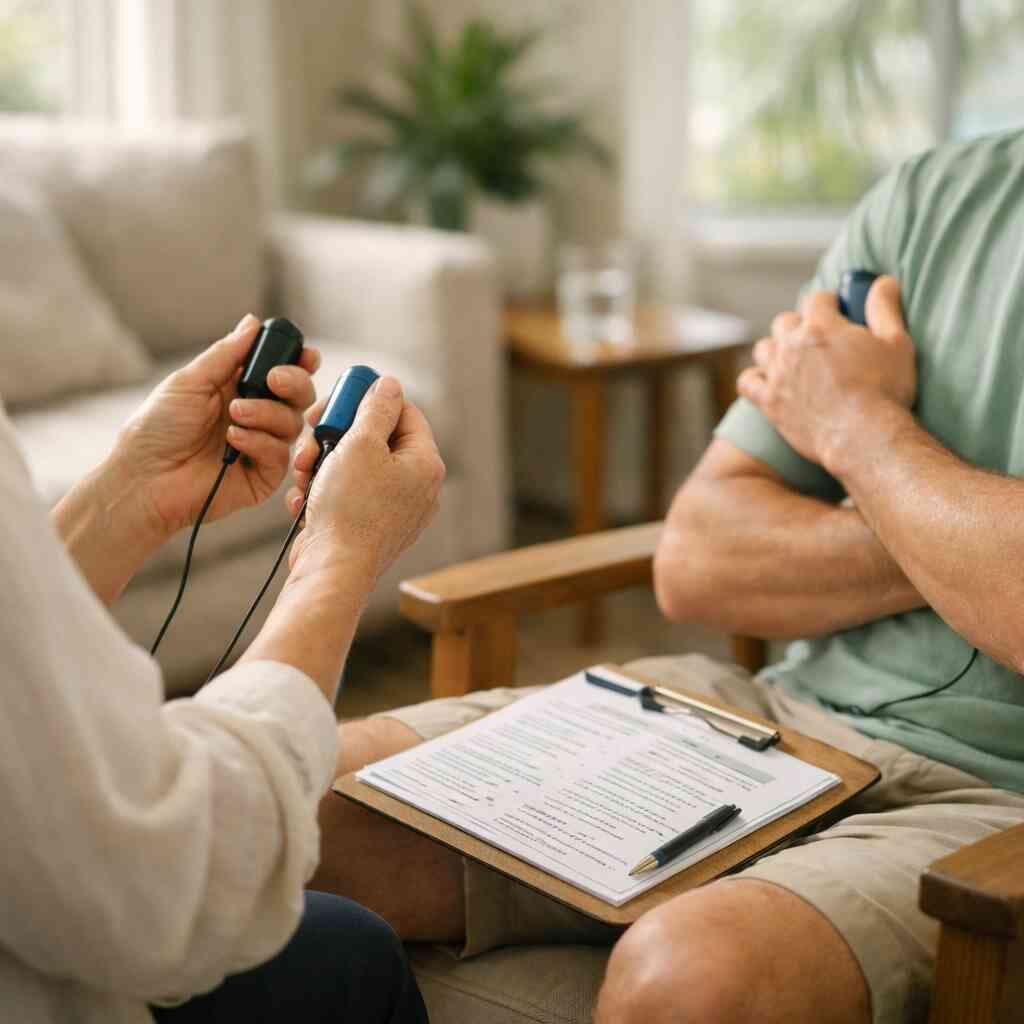
How EMDR trauma therapy helps the brain reprocess stuck memories
Trauma can make the brain treat old events like they are still happening. EMDR works by helping the brain reprocess those memories so they lose some of their emotional charge. You do not erase the past. You reduce its control over the present. That distinction matters.
In practice, EMDR is often useful when a sound, smell, or location causes a strong reaction. It can also help after assault, accidents, childhood trauma, or repeated medical stress. If you are curious about how RECO Immersive uses EMDR for trauma therapy, the key idea is simple: careful pacing, strong support, and clear preparation before memory processing begins.
Why CBT and DBT still matter for anxiety treatment, bipolar disorder therapy, and depression and addiction
CBT and DBT stay useful because trauma rarely travels alone. Anxiety treatment may need thought work and exposure to safe triggers. Bipolar disorder therapy may require mood tracking and sleep protection. Depression and addiction often need structure, accountability, and small repeated wins.
That is why mental health therapy for anxiety and depression often sits beside substance use care. A person in early recovery may need help challenging hopeless thoughts. Another may need DBT skills to stop a crisis spiral. These therapies help you build coping skills that hold up after treatment.
Group therapy activities, family therapy, and the repair of trust after trauma
Trauma often breaks trust in people, and sometimes in your own judgment. Group settings can help repair that slowly and safely. You hear other people name the same fear, shame, and numbness you have been carrying. That can be stabilizing. It can also reduce isolation quickly.
Group therapy activities for emotional healing work best when the room feels safe and well guided. Family involvement can help too, especially when loved ones have learned their own survival habits around the trauma. Family therapy for trauma recovery gives everyone a clearer map for communication, boundaries, and repair.
Holistic recovery tools like mindfulness meditation, yoga therapy, and art therapy that support regulation
Holistic recovery is most helpful when it supports regulation, not when it becomes decoration. Mindfulness meditation can teach you to notice fear without obeying it. Yoga therapy may help the body release tension and reconnect with breath. Art therapy can give shape to feelings that are too tangled for words. 
These tools work best alongside clinical care. They are not replacements for trauma therapy. They are often the bridge that helps people stay present long enough to benefit from treatment. If you want holistic recovery with mindfulness meditation, yoga therapy for trauma support, or art therapy for trauma and recovery, look for programs that connect them to real treatment goals. ### What evidence-based treatment looks like when licensed clinicians blend structure and flexibility
Evidence-based treatment means the care is grounded in methods with research support. It does not mean the plan feels cold. It means licensed clinicians use tools like CBT, DBT, EMDR, medication management, and family work with intention. The structure should feel steady. The flexibility should feel human.
A thoughtful plan may also include group therapy activities for emotional healing and other support services that fit your stage of recovery. That balance matters in private rehab settings, especially if you have tried to “power through” before. Trauma often responds better to steady repetition than to intensity alone.
What a day of trauma care can look like without the guesswork
The flow of assessment, intake, and initial stabilization at RECO Immersive location
The intake process should feel calm, not rushed. At the RECO Immersive location, the team can begin with questions about symptoms, substance use, sleep, safety, and what has already been tried. If withdrawal is a concern, South Florida detox planning may come first. If not, the focus may move quickly to trauma stabilization.
Here is what almost no online guide mentions: early trust builds fast when people know what will happen next. That is why clear explanations matter. A good intake should answer how long detox lasts, what supports are available, and what the next few days will look like. Clarity lowers fear.
How mental health IOP and intensive outpatient differ from PHP and inpatient rehab Palm Beach County
Mental health IOP, or intensive outpatient, usually means several therapy sessions each week while you sleep at home or in sober housing. PHP, or partial hospitalization program, is more intensive and usually fills most of the day. Inpatient rehab Palm Beach County offers the most structure and supervision. Each level serves a different need.
If you are comparing what is PHP versus IOP in Delray Beach, ask about safety, cravings, and home stress. A person in early fentanyl treatment or benzodiazepine withdrawal may need higher support at first. Someone stable but overwhelmed may do well in intensive outpatient. The right match protects momentum.
Where case management, life skills training, and vocational support fit into aftercare planning
Recovery does not end when trauma symptoms ease. Case management helps connect the clinical plan to daily life. That can include transportation, appointments, prescriptions, work concerns, and sober living resources. Life skills training may cover routines, budgeting, and sleep habits. Vocational support matters when work stress helped fuel the collapse.
Strong aftercare planning for long term recovery also includes relapse prevention. That means naming warning signs early and rehearsing what to do when stress spikes. A plan that ignores real life usually fails in real life. A plan that includes it has a better chance.
How family weekends, sober living resources, and the alumni program support long-term recovery
Family weekends can help loved ones learn new language around trauma and addiction. That matters because old arguments often keep old pain alive. Sober living resources can also protect early recovery when home is not yet stable. They give space to practice skills before full independence.
An alumni program adds another layer of continuity. People often need ongoing contact after discharge, especially when shame or anniversaries stir things up. If you are comparing RECO Intensive alumni, look for programs that support check-ins, connection, and practical follow-up. Long-term recovery is built in ordinary days.
What to expect from insurance verification, Aetna, Cigna, Blue Cross Blue Shield, and out-of-network benefits
Insurance can feel like a second crisis. It is not uncommon to worry about whether care is covered, or whether private rehab will be affordable. Insurance verification for rehab coverage can help you sort that out before you commit. Ask about Aetna, Cigna, Blue Cross Blue Shield, out-of-network benefits, and self-pay options.
If you need to compare how to verify out-of-network benefits for rehab, keep the questions simple. What is covered? What is my deductible? What do I owe now? Straight answers reduce panic and help you plan.
How to choose the right level of care and move forward with confidence
The signs of addiction and trauma that suggest it is time to call for help now
You do not need to wait for a crisis. Signs of addiction and trauma can include drinking or using more than planned, memory gaps, panic, isolation, or missing work and family events. Other signs include using substances to sleep, feeling unable to calm down, or noticing that old coping tools no longer work. If this sounds familiar, help may be appropriate now.
This is especially true with opioids, cocaine detox Florida needs, heroin recovery, prescription pill addiction, or alcohol use that is getting harder to control. The same applies to bipolar disorder, depression, and anxiety when substance use enters the picture. These issues often intensify each other. Delay usually makes the path harder.
What to ask when comparing Florida addiction treatment and South Florida recovery options
Ask direct questions. Does the program treat trauma and substance use together? Are clinicians licensed? Does the team offer dual diagnosis treatment for co-occurring disorders? What therapies are used, and how is progress measured? Are family support and aftercare included?
You can also ask about Joint Commission accreditation, DCF licensed status, and whether the center is an NAATP member. Those details matter because they show formal oversight and a commitment to standards. If you are comparing Florida rehabs that take insurance, keep your focus on fit, safety, and continuity of care. Those three things matter most.
Why beachside recovery and the coastal healing environment can support but not replace clinical care
Delray Beach has a calm that many people feel right away. The beachside recovery setting, the ocean air, and the quieter pace after the bustle of nearby Broward County or West Palm Beach can lower stress. That matters. So does being near sober things to do in Delray and a strong Delray Beach recovery community.
Still, a coastal healing environment is not therapy by itself. It helps the nervous system settle enough to do the work. The clinical work still has to happen inside the room. That is why good treatment blends atmosphere with structure.
How RECO Immersive supports relapse prevention, coping skills, and continuing care after discharge
Good trauma care prepares you for the part after discharge. That means coping skills, relapse prevention, and realistic support for hard days. It also means planning for triggers, work stress, family conflict, and the quiet moments that can feel surprisingly heavy. Recovery is learned through repetition.
Programs that focus on continuing care tend to do better at keeping people connected. That may include 12-step alternatives, SMART Recovery, sober housing, or alumni follow-up. Aftercare planning for long-term recovery should feel like a practical map, not a speech. You need a plan you can actually use.
When to use the admissions team for intervention services, travel coordination, and same-day verification
Some people need help getting into care. That is normal. If a loved one is stuck, intervention services can help organize the conversation and reduce chaos. If you are traveling from South Florida, travel coordination can remove one more barrier. If the timing feels urgent, same-day verification can save precious momentum.
If you are at the point of making calls, start with one practical step today: confirm your benefits and ask which level of care fits your current symptoms. Then ask what happens in the first 24 hours. You do not have to figure this out alone, and you do not have to solve everything today. Start with one call, then let the next right step follow.
Frequently Asked Questions
How long does detox last at a Delray Beach rehab?
Detox length varies by substance, health history, and withdrawal risk. Alcohol and benzodiazepine withdrawal may need close medical monitoring. Opioid detox can feel shorter, but cravings may last longer. A clinician should give you a personalized estimate after assessment. If detox is needed, ask about 24/7 monitoring and the next level of care.
Does RECO Immersive take my insurance?
Coverage depends on your plan and benefits. The admissions team can help with insurance verification for rehab coverage, including Aetna, Cigna, Blue Cross Blue Shield, and out-of-network benefits. You can also ask about self-pay options. Always verify directly before starting care.
What is the difference between PHP and IOP?
PHP, or partial hospitalization, usually offers more treatment hours and structure. IOP, or intensive outpatient, is less time-intensive and may work better if you have a stable home setting. The right choice depends on safety, symptom severity, and support at home. A clinical assessment should guide the decision.
Can I bring my phone to treatment?
Policies vary by program and level of care. Many facilities limit phone use early on so you can focus on stabilization and therapy. Others allow phones at certain times. Ask during admission, because the answer may change based on clinical need and safety.
Is family involved in the program?
Many trauma programs include family therapy, education, or scheduled family contact. That can help loved ones understand trauma, addiction, and healthier communication. At RECO Immersive, family involvement may support recovery when it fits the clinical plan. The team can explain what family participation looks like in your level of care.
What if I need help for depression but not addiction?
You can still seek care. Trauma, depression, anxiety, and bipolar symptoms often benefit from structured therapy even without substance use. A program may recommend mental health IOP, PHP, or outpatient support based on your needs. If substances are also part of the picture, dual diagnosis care may be a better fit.