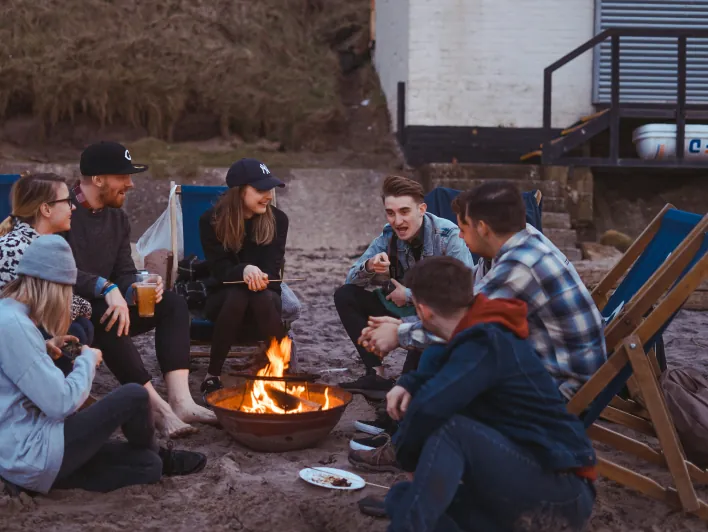
Community Integration helps you take what you’re learning in therapy and apply it to real life. This may include practicing social skills, building a healthy routine, returning to work or school, volunteering, or simply learning how to feel comfortable in everyday environments again. You’ll receive guidance and encouragement as you step back into the world with more confidence and purpose.
Recovery is about more than just feeling better on the inside. It’s also about building a life that feels meaningful, connected, and manageable. Community Integration bridges the gap between treatment and real life so you don’t feel like you’re starting over alone. It helps reduce isolation and builds momentum for lasting change.
Mental health care works best when it supports the whole person. Community Integration helps you apply new coping skills in social settings, build healthier relationships, and re-engage with the world in a way that feels safe and empowering. It strengthens your support network and helps turn recovery into a sustainable way of life.

Community integration in treatment
How structured connection rebuilds the social fabric that mental illness erodes.
Community integration refers to the structured rebuilding of social connection that mental illness, addiction, and trauma erode. At RECO Immersive, this includes peer-led groups, alumni events, supervised community outings, sober social skills practice, family integration sessions, and warm hand-offs to local recovery communities (12-step, SMART Recovery, religious or secular communities) when clients want them. Community integration is treated as essential — not optional — for sustained recovery.
Decades of research, including Harvard's 80-year longitudinal study on adult development, show that quality of relationships predicts mental and physical health outcomes more strongly than diet, exercise, income, or genetics. For mental illness and addiction, social isolation is both a cause and a consequence — and isolation predicts relapse. Building durable social connection during treatment is a clinical intervention, not a nice-to-have, and treatment plans address it deliberately.
The weekly schedule includes peer-led process groups, alumni speakers (graduates of the program who return to share recovery stories), supervised community outings (often to Delray Beach restaurants, beaches, museums, or recovery community events), family weekend programming, and skill-building groups for social anxiety, communication, and conflict resolution. Spiritual or cultural community connection is supported when clients want it but never imposed.
Group therapy is a structured clinical intervention focused on processing emotions, learning skills, and getting feedback — typically 90 minutes, led by a clinician, with specific therapeutic goals. Community integration is broader: it includes social activities, peer relationships, connection to outside recovery communities, and rebuilding everyday social skills. Group therapy is one piece of community integration; community integration also extends well beyond the clinical hour.
Post-discharge community is the most important predictor of long-term recovery. RECO Immersive's alumni program offers monthly sober events, weekly online groups, and sponsor matching. Many alumni stay connected with peers from their treatment cohort for years. Local recovery communities (AA, NA, Refuge Recovery, SMART Recovery, faith communities) are warm-introduced where clients want them. The aim is for you to leave with at least three meaningful connections you can call when things get hard.




