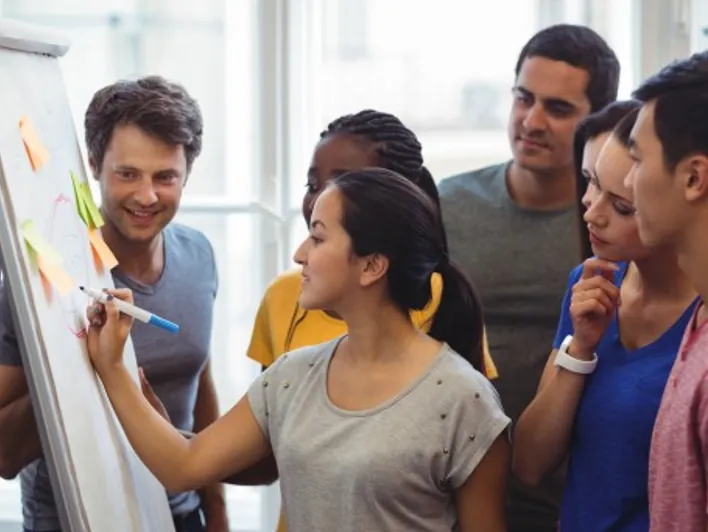
Essential Skill Training focuses on teaching you the real-world skills that support mental and emotional well-being. This includes things like managing stress, setting boundaries, improving communication, handling conflict, and building daily routines. Sessions are interactive and tailored to your needs, helping you practice these tools in a supportive environment.
Mental health recovery isn't just about insight. It's also about learning how to take care of yourself in day-to-day life. Essential skills help bridge the gap between therapy and real life so you feel more prepared to face challenges, stay grounded, and make choices that support your healing.
When you build essential life skills, you gain confidence and independence. These tools help reduce overwhelm, improve relationships, and give you structure and stability during recovery. Over time, they become part of your foundation for long-term mental health and personal growth.

Essential skill training, explained
Practical life skills that addiction and mental illness disrupt — and that recovery requires.
Essential skill training teaches the practical life skills that mental illness, addiction, and trauma disrupt — and that sustained recovery depends on. This includes emotional regulation skills, communication and assertiveness, conflict resolution, financial management, time management, sleep hygiene, healthy meal preparation, exercise habits, and digital wellness. At RECO Immersive in Delray Beach, this is structured into the weekly schedule alongside clinical therapy.
Many adults arrive at treatment with serious skill deficits — often because addiction or mental illness took root in adolescence or young adulthood, before these skills got fully built. Even when therapy successfully addresses the underlying psychological dynamics, clients can struggle to function day-to-day without practical scaffolding. Treatment that teaches both skills and insight produces durable recovery; treatment that focuses on insight alone often doesn't translate to real life.
The skill curriculum covers four domains. Emotional skills: distress tolerance, emotion regulation (DBT-based), assertive communication, conflict resolution. Practical skills: budgeting, time management, sleep hygiene, exercise habits, healthy meal preparation, digital wellness. Recovery skills: relapse prevention, trigger management, peer support, sober social planning. Vocational skills: job-search basics, workplace communication, returning to work after leave. Each skill area is taught in groups, then practiced with clinician support.
Group therapy focuses on processing emotions, exploring patterns, and getting feedback — it's an internal, reflective practice. Skill training is external and behavioral: a clinician teaches a specific skill (e.g., DBT distress tolerance), clients practice it in real situations, and progress is measured by behavior change. Both matter. Insight without skill rarely produces behavior change; skill without insight is brittle. RECO Immersive integrates both throughout treatment.
The skills are taught in a way designed to transfer outside of treatment. Each skill is practiced in real situations during your stay (not just in groups), tied to a specific recovery context, and reinforced through homework and peer accountability. Discharge planning includes a written skills toolkit specific to your treatment goals, ongoing support through the alumni program, and warm-handoff to outpatient providers who can continue reinforcing the skills.