Brain-Gut Forensic Investigation
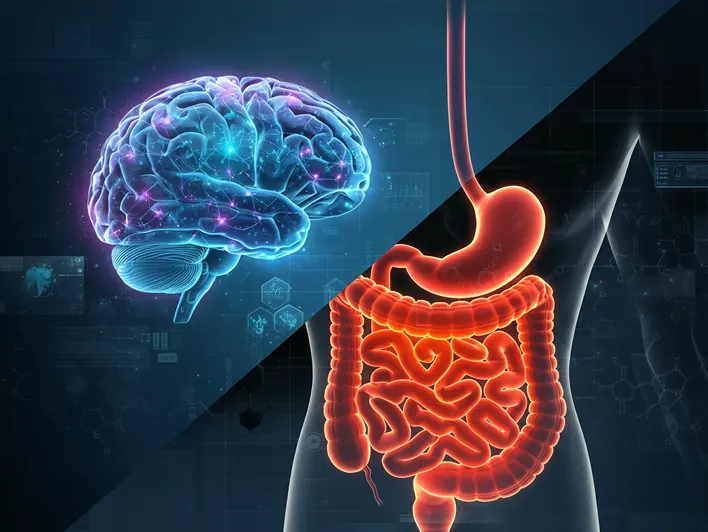
Brain-Gut Forensic Investigation is a personalized assessment that explores how your mental and physical health are linked. We look at things like your gut health, diet, inflammation, stress levels, and more to understand what might be affecting your mood, energy, and overall well-being. This process helps us get a full picture of what’s going on beneath the surface.
Your brain and gut are deeply connected—so issues like anxiety, depression, or brain fog can sometimes be related to things like digestion, diet, or inflammation. By taking a closer look at how your body is functioning, we can uncover hidden imbalances that might be making it harder for you to feel better. This helps us create a treatment plan that actually works for you.
This approach supports your mental health by finding and addressing the root causes of emotional distress. Instead of just treating the symptoms, we look at how your body and brain are working together. By improving gut health, reducing inflammation, and supporting your nervous system, you can start to feel clearer, calmer, and more balanced from the inside out.

Brain-gut investigation, explained
What is brain-gut forensic investigation?
It’s a comprehensive testing protocol that maps how your gut microbiome, digestive function, inflammatory markers, and nutrient absorption are influencing your mental health. We use stool DNA microbiome sequencing, comprehensive blood markers, organic acids testing, and detailed history to surface upstream physical drivers of psychiatric symptoms.
Why does the gut matter for mental health?
The gut-brain axis is bidirectional. Roughly 90% of serotonin is produced in the gut, not the brain. The vagus nerve carries more signals from gut to brain than the other direction. Gut microbiome imbalance, intestinal permeability, and chronic low-grade inflammation are now strongly linked to depression, anxiety, autism spectrum traits, and cognitive symptoms.
What does the testing involve?
Most patients complete: a stool microbiome panel, comprehensive blood work including inflammatory markers, a urinary organic acids test for neurotransmitter precursors and mitochondrial function, food sensitivity testing when indicated, and a detailed dietary and digestive history. Sample collection is mostly at-home with shipped kits. Results return in 2-3 weeks.
What treatment follows the testing?
Treatment is highly individual based on findings. Common interventions include targeted probiotic protocols, antimicrobial herbs for dysbiosis or SIBO, gut-healing nutrients, elimination of identified inflammatory foods, neurotransmitter precursor supplementation, and lifestyle changes. Protocols run 8-12 weeks and are coordinated with psychiatric care.
Is this evidence-based?
Yes. Major journals — Nature, JAMA Psychiatry, Lancet Psychiatry — have published on the gut-brain axis in psychiatric illness over the past five years. The American Psychiatric Association now includes inflammation and gut health in continuing education. RECO Immersive’s protocols draw on peer-reviewed literature and Institute for Functional Medicine training.