TL;DR
- Deep TMS is a non-invasive treatment that uses magnetic pulses to stimulate brain circuits linked to mood and behavior.
- It is most commonly used for depression, and some clinics also use it for OCD depending on the protocol.
- Treatment is done in short outpatient sessions, usually repeated over several weeks.
- Common side effects are temporary, like scalp discomfort or headaches.
Deep TMS can be worth asking about if you have tried therapy and medication and still do not feel enough relief.
What is Deep TMS therapy?
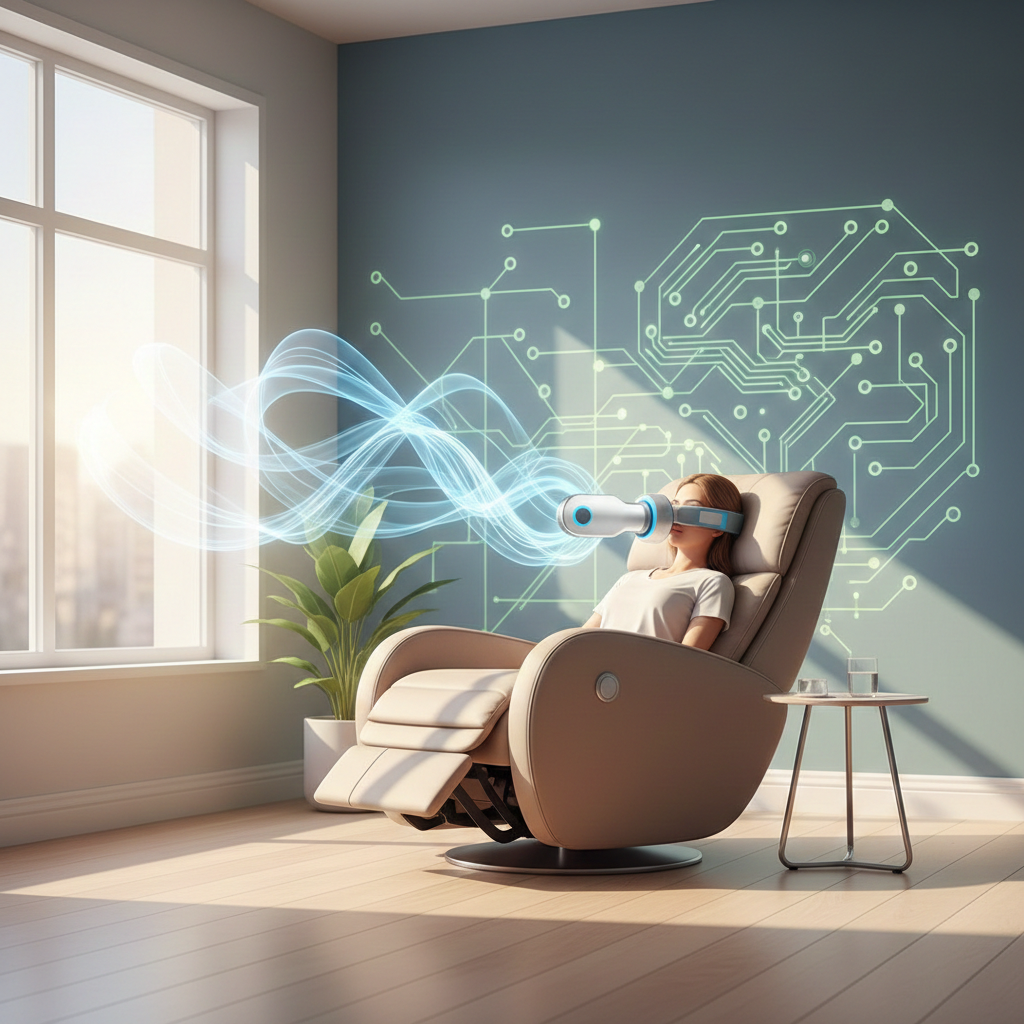
Deep TMS stands for Deep Transcranial Magnetic Stimulation. It is a type of brain stimulation treatment that uses magnetic pulses to influence specific brain circuits involved in mood and behavior.
It is non-invasive, which means:
- Nothing is implanted.
- No needles are involved.
- You stay awake during treatment.
If you are researching options beyond talk therapy and medication, Deep TMS is one of the treatments you may see recommended by mental health providers for certain conditions.
How Deep TMS works
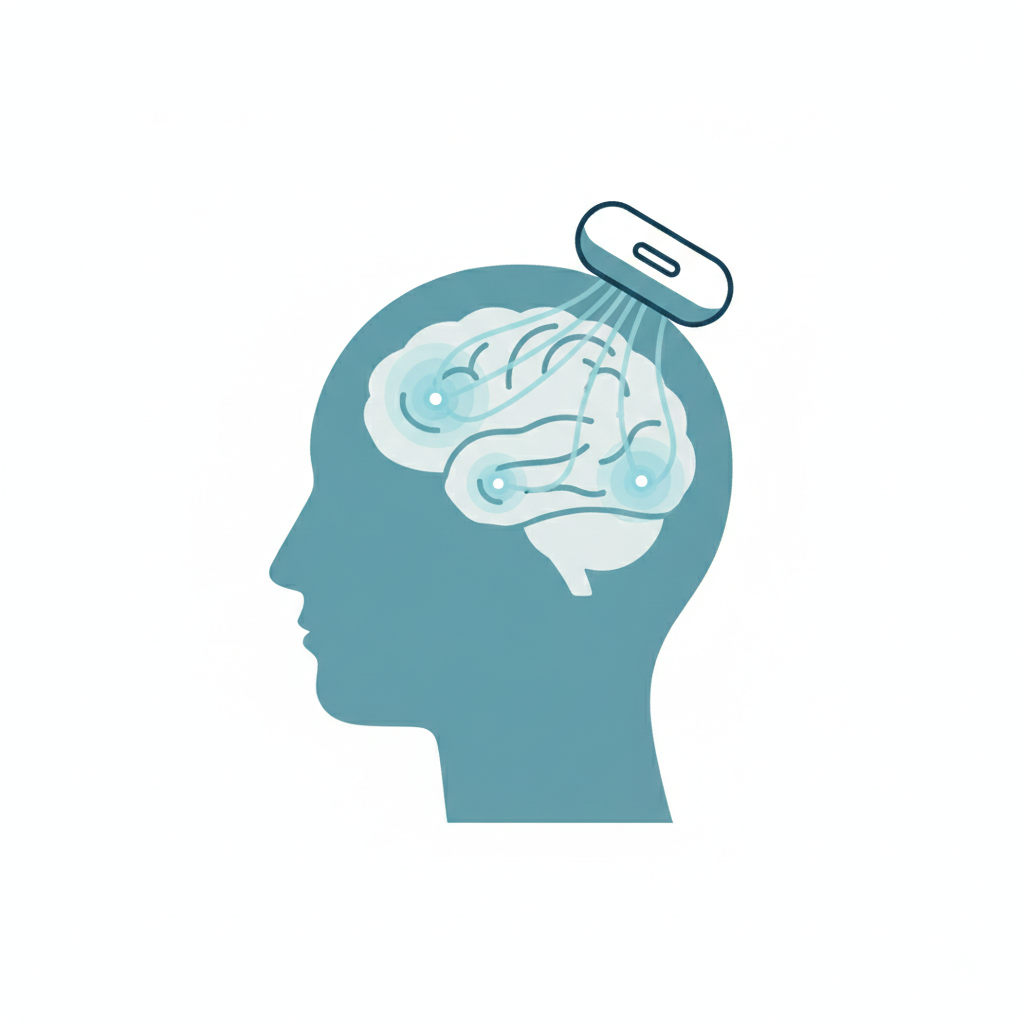
Deep TMS uses a coil placed near your head to deliver magnetic pulses. Those pulses create small electrical activity in the brain tissue underneath, which can affect how targeted networks function over time.
Here is the basic idea:
- The coil is positioned on the scalp in a specific location.
- The device delivers a series of magnetic pulses.
- The pulses stimulate neurons in targeted circuits.
- With repeated sessions, those circuits may shift toward healthier patterns of activity.
Some people describe the sensation as tapping on the scalp during the pulses.
Deep TMS vs standard TMS
TMS is a category of treatments. Deep TMS is typically described as a version of TMS that is designed to stimulate broader networks and potentially reach deeper targets than standard repetitive TMS (often called rTMS).
A simple comparison:
- Standard rTMS
- Often targets more surface level regions
- Uses coil designs that focus stimulation in a more localized way
- Deep TMS
- Uses a different coil design intended to affect broader and sometimes deeper circuits
- May be selected based on the condition being treated and the clinic’s protocol
If you are comparing options, ask the clinic what system they use and why they recommend it for your specific symptoms.
What conditions is Deep TMS used for?
Deep TMS is most commonly associated with major depressive disorder, especially when symptoms have not improved enough with typical first-line approaches.
Depending on the device and clinic protocol, Deep TMS may also be used for:
- Obsessive-compulsive disorder (OCD)
- Other conditions based on provider judgment and local guidelines
If you want to be precise when researching, look for the condition plus “TMS protocol” and confirm what your provider offers. For example: Deep TMS for OCD.
What a Deep TMS session feels like
Most sessions follow a consistent routine:
- You sit in a comfortable chair.
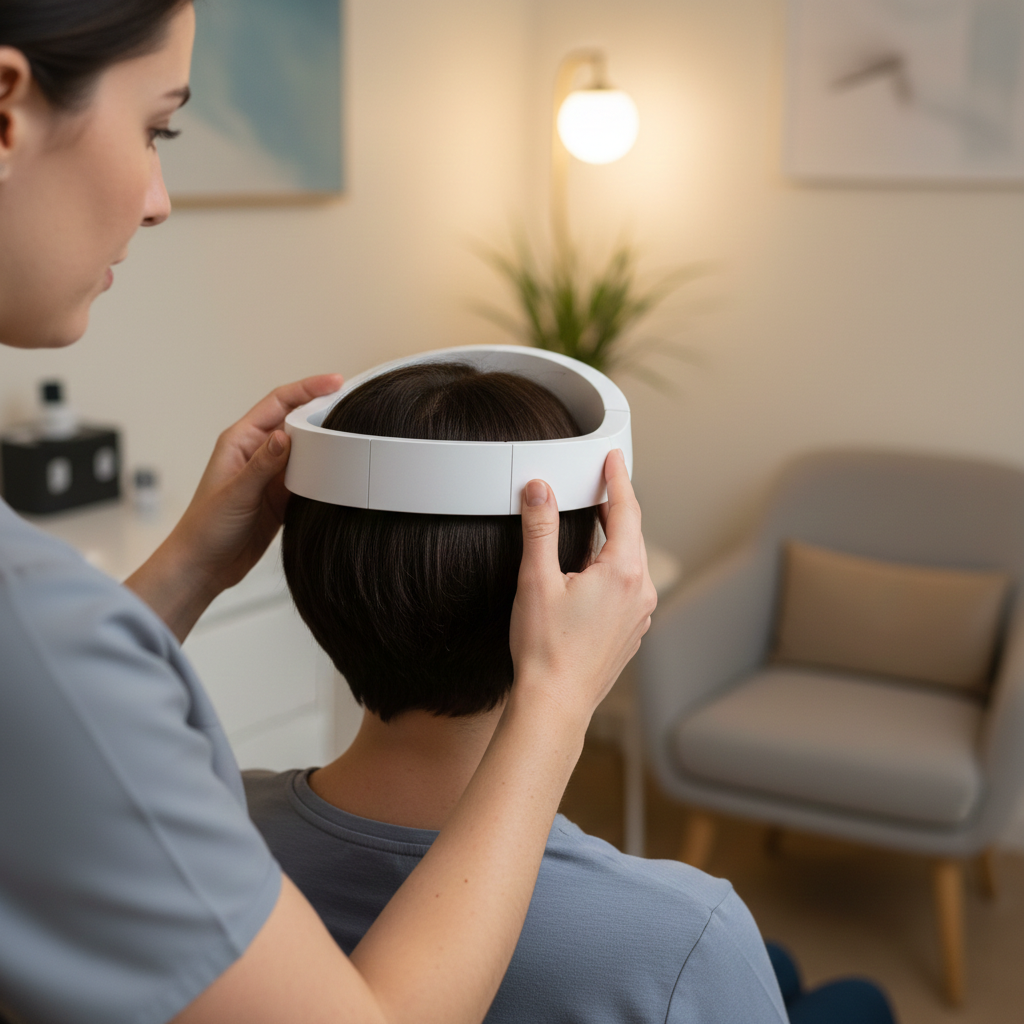
- A technician positions the coil on your head.
- You hear clicking sounds as the pulses fire.
- You may feel tapping or pressure on the scalp.
- Some people notice mild facial muscle twitching during pulses.
After the session, most people return to normal daily activities.
How long does Deep TMS treatment take?
Deep TMS is usually done as a course of treatment, not a single appointment. Many plans involve multiple sessions per week for several weeks. The exact schedule can vary based on:
- The condition being treated
- The protocol used by the clinic
- How you respond over time
Some providers also discuss maintenance sessions for certain patients, especially if symptoms return after a period of improvement.
Side effects and safety basics
Many people tolerate Deep TMS well, but side effects can happen. Common short-term effects include:
- Scalp discomfort during treatment
- Headache
- Tingling sensations
- Lightheadedness
- Facial muscle twitching during pulses
Clinics typically screen you before starting treatment. Tell your provider about any history of seizures, neurological conditions, or any implants or metal near the head.
Who might consider Deep TMS?
A provider will decide if you are a good candidate, but Deep TMS is often considered when:
- You have tried therapy and medication and still have significant symptoms
- You want a non-medication treatment option
- You are looking for an outpatient treatment with minimal downtime
Deep TMS is not a replacement for a full care plan. Many people use it alongside therapy, medication management, or both.
Questions to ask a Deep TMS clinic
Bring these questions to a consultation to get clear answers fast:
- What diagnosis are we treating, and why do you think Deep TMS fits me?
- What device and protocol do you use?
- What does a full course look like (sessions per week and total weeks)?
- What side effects are most common in your patients, and how do you manage them?
- How will we measure progress, and when should I expect to notice changes?
- What happens if I miss sessions or do not respond as expected?
Final thoughts
Deep TMS is a non-invasive treatment that uses magnetic pulses to stimulate brain circuits involved in mood and behavior. If you are considering it, the best next step is a consultation with a qualified provider who can explain the protocol, expected timeline, and what outcomes are realistic for your situation.