
TL;DR
- “How long THC stays in your system” depends heavily on the test type and how often you use cannabis.
- Urine tests are the most common and can detect THC byproducts longer than blood or saliva.
- Hair tests can show a longer history of use, but timing is less precise.
- Body fat, frequency, potency, and time since last use can all change detection windows.
- If you’re worried about a THC drug test, focus on health and clarity, not risky “detox” shortcuts.
There is no universal number that applies to everyone, because THC testing is based on different samples and different biology.
Why THC can show up for a while
THC (the main intoxicating compound in cannabis) is processed by your body into byproducts (metabolites). Many drug tests are looking for those metabolites rather than “active” THC itself.
Two important points:
- Feeling “not high anymore” does not mean THC or its metabolites are fully gone.
- Some forms of THC-related compounds are stored in fat tissue and released over time, especially with frequent use.
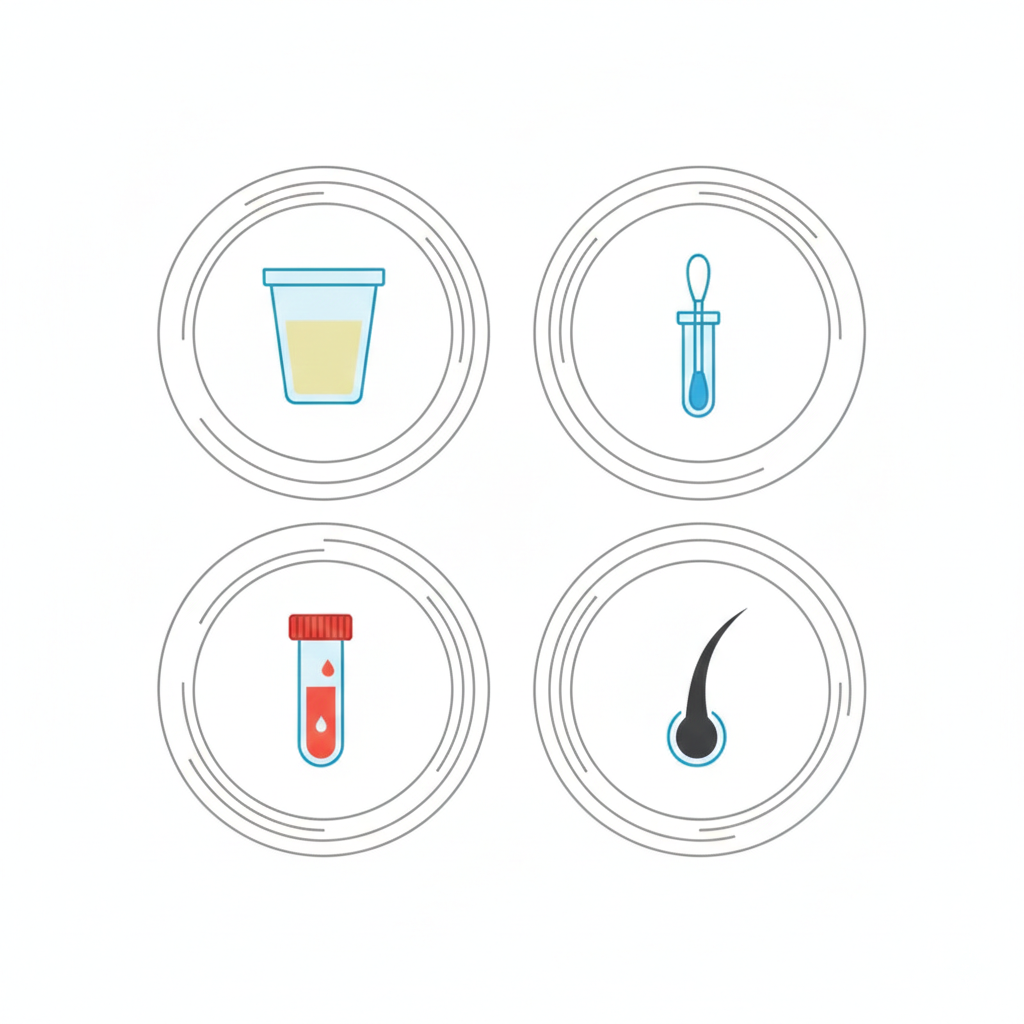
THC drug test types and what they usually detect
People search terms like “thc drug test,” “weed drug test,” “thc urine test,” and “marijuana test” because the detection window changes by test type.
Here’s the practical breakdown.
THC urine test (most common)
Urine tests typically look for THC metabolites. Because metabolites can linger, urine is often the test people worry about most.
What influences urine detection:
- How often you use cannabis (one-time vs frequent)
- Potency and amount used
- Your individual metabolism
- Body composition (THC is fat-soluble)
- Time since last use
If you’re searching “how long does weed stay in your system urine test,” the honest answer is: it varies a lot, and frequent use usually extends the window.
Blood test
Blood testing is more associated with more recent use. It may detect active THC for a shorter period than urine, depending on timing, frequency, and the exact test.
Common reasons blood tests come up:
- “Does weed show up on a blood test”
- “Will weed show up on blood work”
- “Would weed show up in a blood test”
Routine blood work (like standard labs) usually is not a drug screen unless specifically ordered. If a blood drug test is ordered, detection windows are typically shorter than urine and hair, but still variable.
Saliva test
Saliva testing is generally associated with more recent use than urine, though it depends on the test sensitivity and how recently someone used.
This can be relevant for workplace or roadside contexts in some places.
Hair test (hair follicle test)
Hair testing can reflect longer-term patterns of use. That is why people search:
- “how long does thc stay in your hair”
- “how long does weed stay in hair follicle”
- “how long does marijuana stay in hair follicles”
Hair tests are often discussed as “90 days,” but real-world accuracy depends on hair growth rates, sample length, and lab methods. Hair can show historical exposure, but it is not a precise “last used on this exact day” tool.

What changes how long THC stays in your system
Even with the same test type, two people can have very different results. Factors that commonly matter:
- Frequency of use
- Occasional use tends to clear faster than frequent use.
- Daily or heavy use often extends detection windows.
- Potency and dose
- Higher potency products can increase metabolite load.
- Method of use
- Smoking, vaping, and edibles can differ in onset and metabolism.
- Body fat and weight changes
- Because THC is fat-soluble, body composition can influence how long metabolites linger.
- Hydration and urine concentration
- Normal hydration affects concentration, but overhydration can be unsafe and does not reliably change outcomes.
- Individual metabolism and health
- Sleep, nutrition, and liver function can influence processing rates.
If you’re also searching “how long does ganja stay in your system” or “how long does weed stay in your system,” these are the same core question, just different wording.
A note about “detox” and passing a weed drug test
Some of the supporting searches here are things like:
- “how to pass a drug test for weed”
- “fastest way to detox thc”
- “best way to get thc out of system”
- “how to get weed out your system after smoking”
It’s understandable to feel anxious, but “quick detox” products, detox pills, and extreme cleanses can be risky and unreliable. They can cause dehydration, electrolyte issues, nausea, diarrhea, panic-like symptoms, and worse sleep.
A safer takeaway:
- There is no guaranteed, safe shortcut that reliably changes detection outcomes.
- If you’re worried about a test, the healthiest approach is to stop using and give your body time.
What to do if you’re feeling anxious about a marijuana test
If this is stressing you out, focus on what you can control safely:
- Stop cannabis use and avoid secondhand exposure.
- Hydrate normally and eat regular meals.
- Prioritize sleep to reduce anxiety and support stability.
- If you’re using cannabis to cope with anxiety, depression, or insomnia, consider talking to a clinician about other options.
When to consider professional support
If you find it hard to cut back, feel dependent, or notice withdrawal symptoms (sleep disruption, irritability, appetite changes, cravings), professional support can help. That might include therapy, outpatient support, or a structured program depending on your situation.
Final thoughts
“How long does THC stay in your system” depends on the test (urine, blood, saliva, hair) and on your personal pattern of use. Urine testing often detects THC metabolites longer than blood or saliva, while hair can reflect longer-term patterns. If you’re concerned, the most reliable path is time plus healthier routines, not extreme detox products.