TL;DR
- Help for drug users can start with a confidential helpline, a doctor, or a local treatment provider.
- Options include detox support, outpatient programs, inpatient rehab, and substance abuse therapy.
- If you’re helping someone else, focus on safety, boundaries, and practical next steps.
- Many people do better with ongoing recovery care, not just a one-time program.
- If there’s overdose risk or immediate danger, call emergency services right away.
You do not have to hit “rock bottom” to get help. Support can start with one call.
If this is urgent
If someone is not responsive, breathing slowly, turning blue, or you suspect an overdose, call emergency services immediately.
If you are in the U.S.:
- Call 911 for emergencies.
- Call or text 988 if you or someone else is in mental health crisis.
- Call SAMHSA’s National Helpline at 1-800-662-HELP (4357) for treatment referrals and information.
What “help for drug users” can look like
People search terms like drug help, addiction resources, and help for drug users when they feel scared, stuck, or exhausted. Help can mean different things depending on the situation:
- Cutting back or stopping safely
- Getting through withdrawal with medical support
- Finding a program for drug addiction recovery
- Talking to someone confidentially right now
- Supporting a loved one without enabling
The right next step is the one that improves safety and creates momentum, even if it is small.
Start here: drug use helplines and immediate support
A drug use helpline, addiction helpline, or substance abuse helpline can help you figure out what level of care makes sense, how to pay for it, and where to go locally.
If you are nervous about calling, try writing down:
- What substances are involved
- How often they’re used
- Any safety concerns (mixing substances, overdose history, mental health)
- What kind of help you want (therapy, rehab, outpatient, meds, support)
You can also reach out to a primary care doctor or a mental health provider and ask for addiction services referrals.
Treatment options for drug recovery
Searches like drug recovery treatment, drug addict rehabilitation, and drug abuse recovery often point to a few main levels of care. The best fit depends on safety, stability, and support at home.
Detox and withdrawal support
If withdrawal could be medically risky, detox support can help with monitoring and symptom management. This is especially important for some substances and for people with medical conditions.
Detox is often a starting point, not the whole plan.
Outpatient treatment and substance abuse therapy
Outpatient programs can include:
- Individual substance abuse therapy
- Group therapy
- Drug and alcohol counseling near me
- Intensive outpatient programs (IOP)
- Partial hospitalization programs (PHP)
This can be a good fit when someone has a stable place to live and can stay safe outside a facility.
Inpatient rehab and residential programs
Inpatient or residential care can help when:
- Use is severe or chaotic
- There is high relapse risk at home
- There are safety concerns
- Co-occurring mental health symptoms are intense
People may search heroin rehab center or similar terms when they need a structured environment with 24/7 support.
Medication-supported treatment
For opioid use disorder, medications can be a major part of recovery. People may search for a methadone counselor or related support because medication often works best alongside counseling and recovery care.
A qualified clinician can explain options and what is appropriate for the situation.

What is the best therapy for addiction?
There is not one “best” therapy for everyone, but several approaches are widely used in treating addictive behaviors and substance use recovery.
Common therapy components include:
- Skills-based therapy (triggers, coping, relapse prevention)
- Motivational approaches (building readiness and goals)
- Trauma-informed care (when past experiences drive use)
- Family or couples therapy (when support systems are involved)
The best therapy is the one the person will actually attend consistently with a provider they trust.
How to help someone with drug addiction
People often search “how do I help a drug addict” or “how do you get help for someone on drugs” because they feel helpless. These steps tend to help without making things worse.
Focus on safety first
- Learn overdose signs and keep emergency numbers accessible.
- If opioids may be involved, consider having naloxone available if it is legal and accessible where you live.
- Avoid escalating arguments when someone is intoxicated.
Use clear, calm language
Try statements like:
- “I’m worried about you. I want to help you get support.”
- “I can help you call a hotline or find a program today.”
- “I won’t give money, but I will drive you to an appointment.”
Offer specific help, not vague help
Instead of “you should get help,” offer:
- “Let’s call a drug help hotline together.”
- “I found three addiction services near us, want to look with me?”
- “I can sit with you during an intake call.”
Set boundaries that protect you
Boundaries are not punishment. They are protection.
- Decide what you will and will not do.
- Follow through consistently.
- Get your own support too (therapy, support groups, trusted people).
Accessible recovery services and paying for care
If cost is a barrier, ask about:
- Sliding-scale counseling
- Community clinics
- State or county programs
- Payment plans
- Insurance verification and benefits checks
- Peer support and recovery coaching
Many addiction resources exist specifically to help people navigate affordability and access.
A simple next-step plan
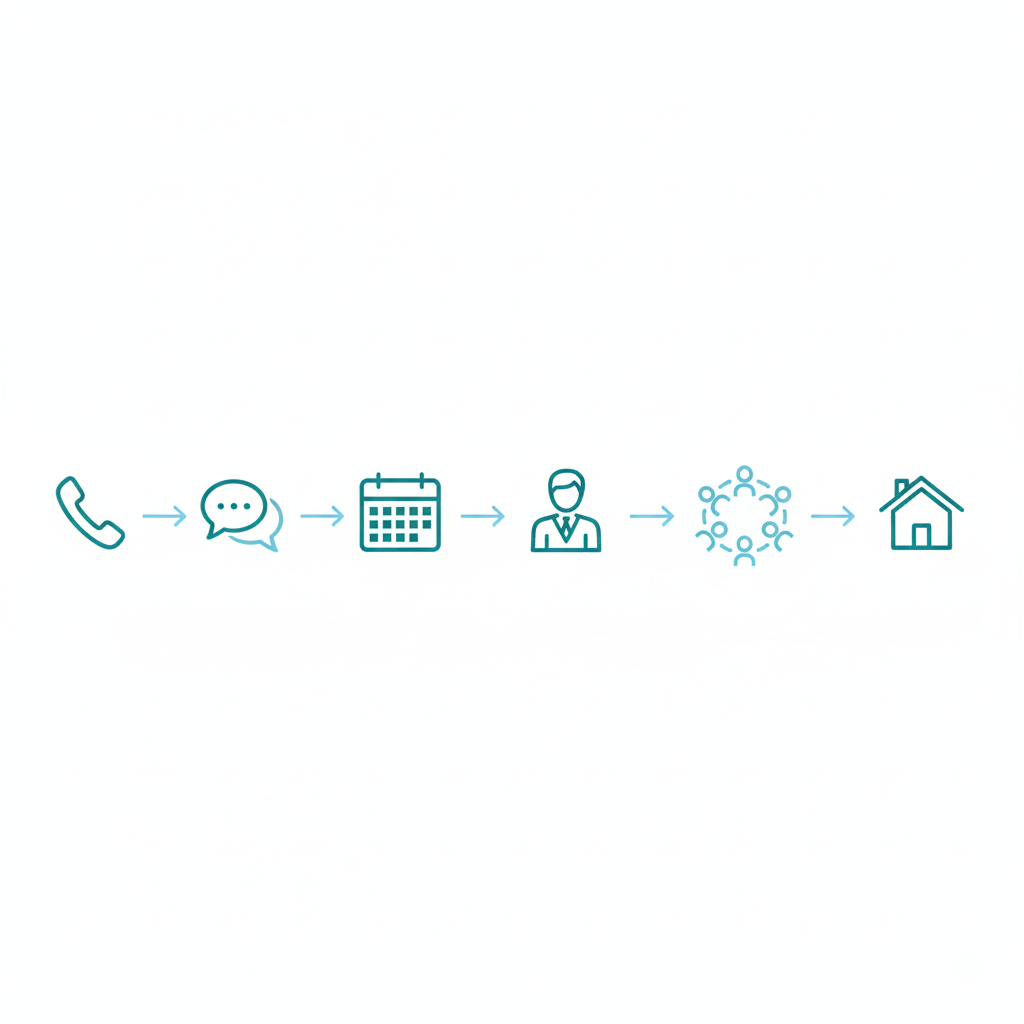
If you want a clear path forward, try this:
- If there is immediate risk, call emergency services.
- Call a substance abuse helpline for local options.
- Choose the level of care (outpatient, inpatient, detox support).
- Book one intake appointment within 48 to 72 hours if possible.
- Add recovery care supports (therapy, groups, peer support, family support).
Momentum matters more than perfection.
Final thoughts
Help for drug users can start with a single step: a call, an appointment, or telling one safe person the truth. Recovery is rarely a straight line, but support, treatment, and addiction resources can make it safer and more doable. If you are ready to take the first step, start with a helpline or a local provider and ask for the simplest next action you can take today.