TL;DR
- Your body detoxifies itself through the liver, kidneys, gut, lungs, and skin.
- Most “detox cleanse” plans are unnecessary and can backfire if too extreme.
- Focus on hydration, fiber, protein, and sleep to support natural detox.
- Be cautious with detox pills, detox supplements, and “quick cleanse” products.
- If you feel unwell, or detox relates to substances, talk to a clinician.
If you are trying to “flush your system,” the safest approach is usually steady, boring basics done consistently.
What “clean detoxify” actually means
A lot of people search clean detoxify hoping to “remove toxins from the body naturally,” reset after a weekend, reduce bloating, clear skin, or boost energy. The truth is simpler:
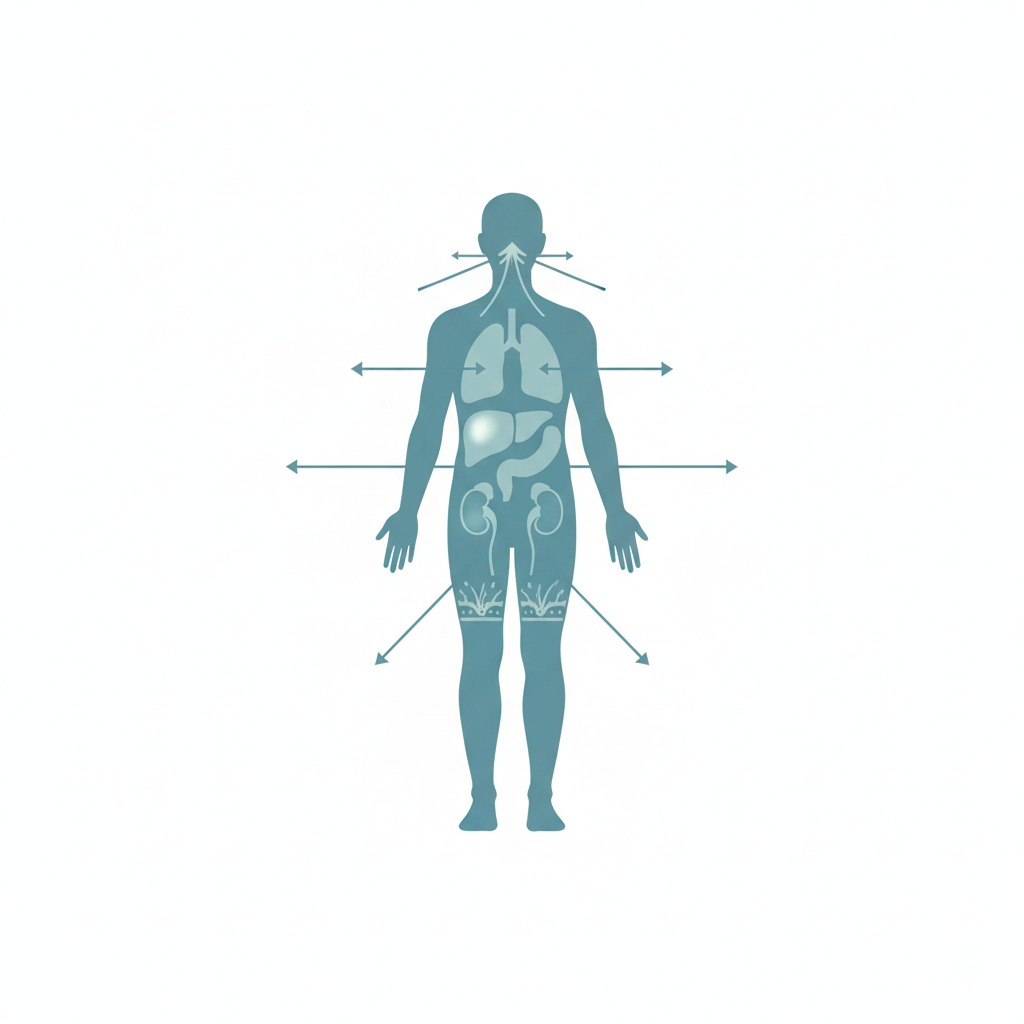
Your body already has a built-in detox system. The liver processes and breaks down many substances, the kidneys filter waste into urine, the gut eliminates what you do not absorb, and your lungs and skin play supporting roles.
So for most people, “how to detoxify the body” is less about a dramatic cleanse and more about supporting these everyday systems.
Do you need a detox cleanse?
In most cases, you do not need a special detox cleanse to “clean your bloodstream” or “get rid of toxins.” Many popular detox plans rely on very low calories, laxatives, diuretics, or heavy supplements, which can lead to dehydration, electrolyte problems, headaches, constipation, rebound cravings, or worsened fatigue.
That said, if “detox” is your way of saying you want to feel better, sleep better, eat cleaner, and stop overdoing alcohol or ultra-processed foods, that goal is real. You can do that without extremes.
How to detox your body naturally (the safe way)
If you are searching “how to detox your body naturally at home” or “how to cleanse your body,” start with habits that actually support normal physiology.
Hydration that helps you “flush your system”
- Drink water consistently through the day.
- Add electrolytes if you are sweating heavily or exercising, but avoid mega-dosing.
- If you want “what to drink to detox your body,” water is the default. Unsweetened tea or coffee can also fit for many people.
Simple check: pale yellow urine most of the day is often a sign you are hydrated (not perfectly, but useful).
Eat in a way that supports elimination
This is where “detox foods” can be helpful, but not because they magically pull toxins out. They support digestion, fiber intake, and micronutrients.
- Aim for fiber: beans, lentils, oats, berries, chia, veggies.
- Include protein: eggs, fish, poultry, tofu, Greek yogurt, legumes.
- Add healthy fats: olive oil, nuts, seeds, avocado.
- Choose “cleansing foods” you can actually stick with, not punishment meals.
If you are wondering “how to remove toxins from your body,” regular bowel movements matter. Fiber plus hydration plus movement is a practical combo.
Prioritize sleep and stress basics
Sleep is one of the most underrated “daily detox” tools.
- Keep a consistent bedtime and wake time.
- Reduce alcohol close to bedtime.
- Get morning light and some daily movement.
If you are stressed and sleeping poorly, many “detoxifying” symptoms people complain about (fog, cravings, bloating) can feel worse.
Reduce the biggest inputs
If your goal is “how to get rid of toxins in the body naturally,” the highest leverage move is lowering exposure:
- Reduce alcohol for a few weeks.
- Cut back on ultra-processed foods and sugary drinks.
- Stop smoking or vaping if relevant (get support if needed).
- Be cautious with unnecessary supplements and megadoses.
This matters more than any detox beverage recipe.
What comes out of your body when you detox?
People often ask “what comes out of your body when you detox” because detox marketing implies you will “release toxins.” In reality, normal outputs are:
- Urine (filtered waste products and byproducts)
- Stool (undigested material, bile, bacteria, waste)
- Sweat (mostly water and salts)
- Breath (carbon dioxide and water vapor)
If a cleanse causes diarrhea, the “stuff coming out” is often water and electrolytes you needed to keep.
Are detox pills or detox supplements worth it?
Searches like “detox pills,” “detox supplements,” and “body detoxification supplements” are common because they promise speed. The risk is that many products:
- have unclear ingredients or dosing
- rely on laxative effects
- can interact with medications
- can worsen anxiety, sleep, or heart symptoms (especially stimulant-like blends)
If you are considering supplements, it is smart to run them by a pharmacist or clinician, especially if you have medical conditions, are pregnant, or take prescription meds.
How often should you detox your body?
If “detox” means supporting your health habits, you can do that every day without calling it a detox.
A reasonable approach:
- Think “daily detox” habits: hydration, fiber, protein, sleep, movement.
- Do occasional “reset weeks” where you reduce alcohol and ultra-processed foods.
- Avoid repeating harsh “full body cleanse detox” routines.
Consistency beats intensity.
A safer “quick cleanse” plan that is not extreme
If you want a short reset without gimmicks, try 3 to 7 days of:
- Water as your main beverage
- 25 to 35g fiber per day (increase gradually)
- Protein at each meal
- 2 servings of fruit and 3+ servings of veggies daily
- 20 to 30 minutes of movement most days
- A consistent sleep schedule
This is boring, but it is also what tends to work.
When to get professional help
If “detox” is related to alcohol or drugs, or you have symptoms like severe vomiting, confusion, chest pain, fainting, blood in stool, or signs of withdrawal, do not self-manage with a home cleanse. Medical support can be important and safer.
Final thoughts
“Clean detoxify” is best understood as supporting your body’s natural detox systems, not forcing a cleanse. Hydration, fiber-rich food, protein, sleep, and reducing alcohol and ultra-processed foods are the most reliable ways to feel better without risking the downsides of extreme detox products.